Understanding supply chains, fabric technologies, and regional design shifts that govern the global activewear trade.
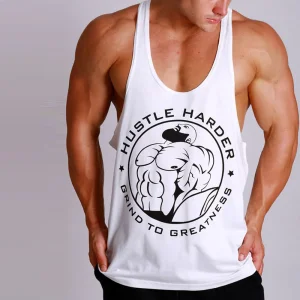
The global graphic workout shirts sector has experienced an unprecedented evolution. Originally utilized as plain performance gear designed to manage perspiration, athletic tops are now complex mediums for brand messaging, lifestyle aesthetics, and technological innovation. Modern consumers require workout shirts that maintain dry microclimates during high-intensity interval training (HIIT), yet look sufficiently styled for street wear or casual office settings.
This dynamic shifts the burden of manufacturing onto the supply chain. Successful production lines must combine structural textile engineering with robust dye application methods. Sourcing departments no longer evaluate potential factories purely on price-per-unit metrics. They assess technological agility, chemical safety compliance, and fabric print durability to maintain high customer satisfaction ratings.
Standard ink screen-printing is insufficient for athletic activities. High perspiration and frequent washing break down low-quality surface prints, causing them to crack, peel, and feel sticky. B2B sourcing agents must prioritize suppliers that offer dye sublimation, discharge printing, or direct-to-garment (DTG) print methods utilizing water-based, non-hazardous polyurethane (PU) ink systems.
Standardizing specs across raw materials, yarn weights, and printing styles is essential for quality assurance.
| Fabric Blend Option | Common Weight (GSM) | Ideal Print Technique | Best Application Environment | Sustainability Profile |
|---|---|---|---|---|
| Recycled Polyester / Spandex (85/15) | 180 - 220 GSM | Dye Sublimation | Cardio, Crossfit & High Sweat Activities | Post-consumer PET bottles, GRS certified |
| Modal / Elastane Blend | 160 - 180 GSM | Direct-to-Garment (DTG) | Yoga, Pilates & Leisurewear | Biodegradable, eco-friendly cellulose |
| Yarn-Dyed Pique Knit Cotton/Poly | 200 - 240 GSM | Discharge Screen Printing | Bodybuilding, Heavy Weightlifting | Bespoke longevity, circular cotton options |
| Nylon 66 High-Performance Blend | 140 - 160 GSM | Silicon-Based Heat Transfer | Ultra-marathons, Outdoor Trail Running | High durability, low replacement frequency |
We evaluate capillary action dynamics in yarns. Hydrophobic fibers pull perspiration away from the skin, moving it to the outer fabric face where it quickly evaporates.
Ensuring ISO 105-E04 standards are met. Graphics must resist chemical degradation from sweat acids to prevent cross-bleeding and design degradation.
Choosing double-knit constructions prevents fabric shear transparency (the grin-through effect) when shirts are stretched over active muscles.
Guangzhou Reba Fashion Co., Ltd. — Delivering high-performance activewear to global markets since 2016.
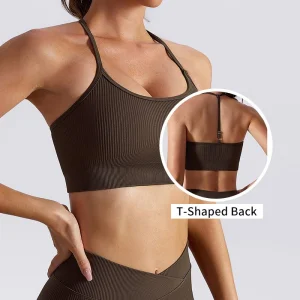
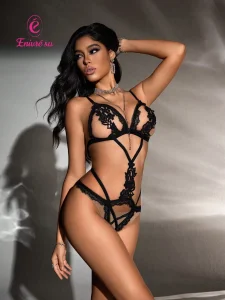
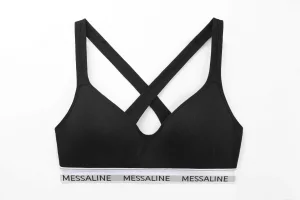
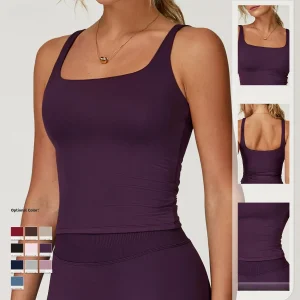
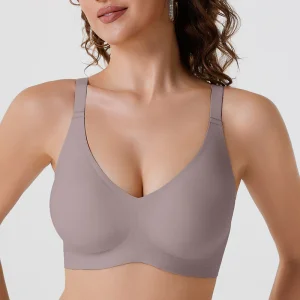
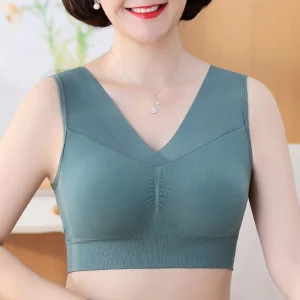
Guangzhou Reba Fashion Co., Ltd. is a professional manufacturer specializing in modern activewear and lifestyle apparel. Located in Guangzhou, China, the company focuses on the design, production, and export of high-quality sports and casual clothing for global markets. Our main product range includes yoga wear, fitness wear, gym wear, workout sets, sports bras, bodysuits, crop tops, tank tops, compression wear, running wear, training wear, activewear sets, lounge wear, stretch wear, performance wear, athleisure wear, dance wear, and cycling wear. These products are designed to provide comfort, flexibility, and style for sports, workouts, and everyday activities.
Founded in 2016, Guangzhou Reba Fashion Co., Ltd. began as a small garment workshop and gradually developed into a reliable supplier in the activewear industry. The company currently employs more than 110 skilled workers, including experienced designers, technicians, and quality control staff. Our modern production facility covers approximately 7,500 square meters and is equipped with advanced garment manufacturing and sewing equipment to ensure efficient production and consistent quality.
Over the years, Reba Fashion has established long-term partnerships with clients in Europe, North America, Southeast Asia, and other international markets. With a strong commitment to innovation, quality control, and customer satisfaction, the company strives to deliver fashionable and functional activewear solutions to customers worldwide.
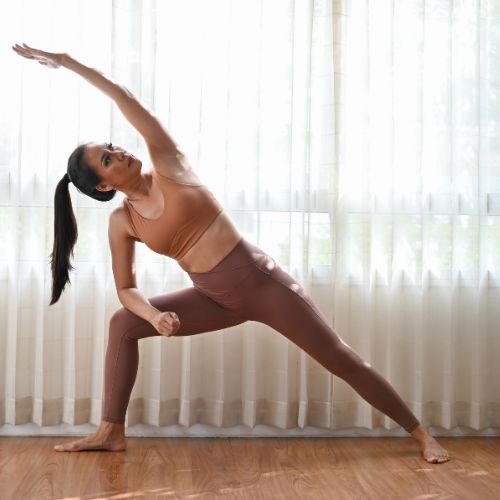
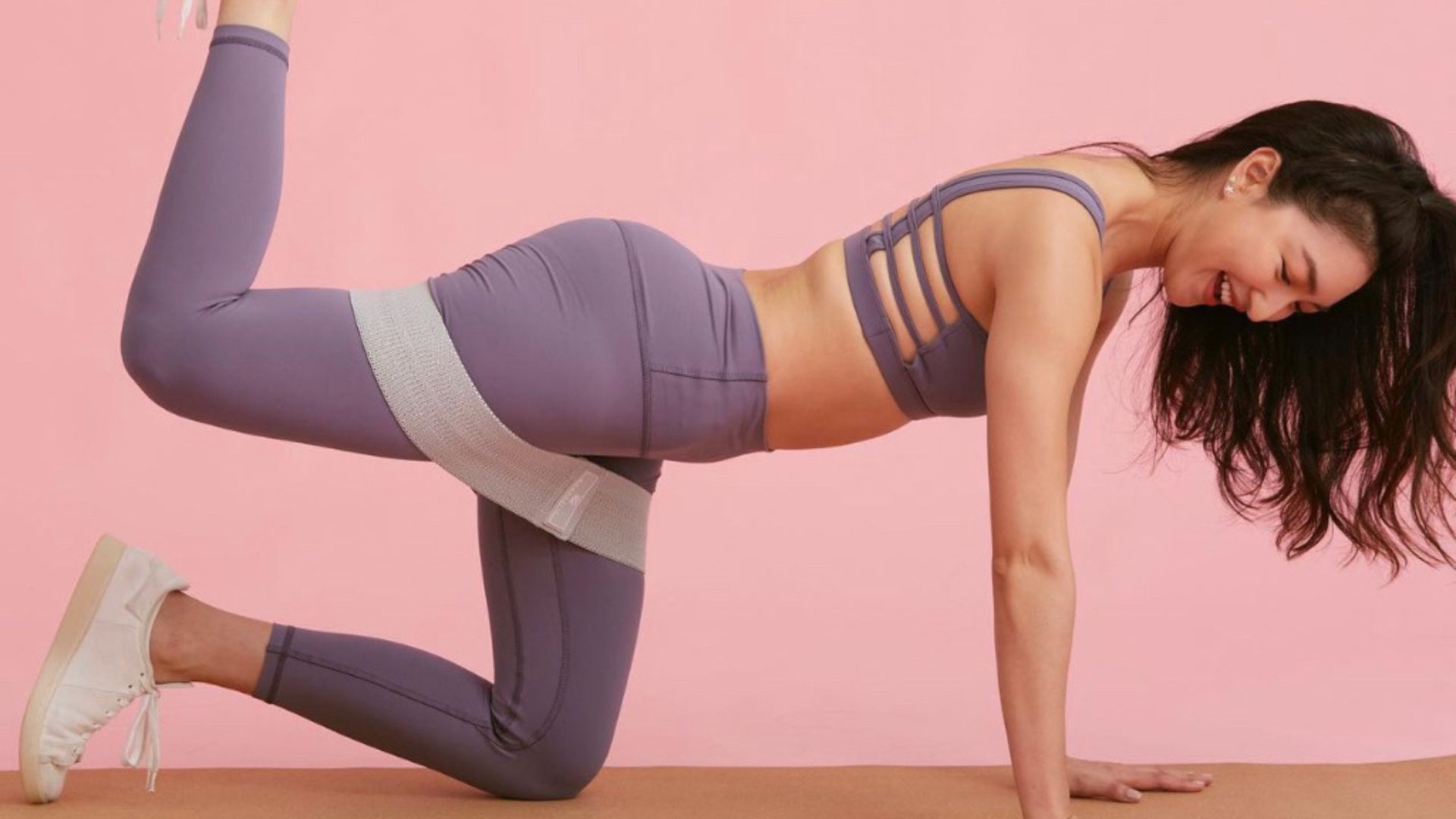
How geographic consumer differences influence print designs and base garment preferences.
Aesthetic: Vintage collegiate, bold motivational branding, and retro gym designs.
Fit: Relaxed, heavy-cotton drop shoulders dominate (240+ GSM) with a preference for vintage wash-dye effects.
Aesthetic: Minimalist line drawings, small technical chest prints, and subtle earth-toned graphics.
Fit: Tailored athletic configurations, seamless knit fabrications, and focus on certified organic cotton/poly blends.
Aesthetic: Playful typography, anime-inspired athletic characters, and high-visibility pastel colorways.
Fit: Lightweight fabrics (130-160 GSM), high stretch capacity, and UV protection finishes (UPF 50+).
Industry-shaping advancements in sustainable production, smart integration, and micro-factory dynamics.
The industry is transitioning away from plastisol inks, which rely on PVC and phthalates. Suppliers are adopting water-based polyurethane inks and supercritical CO2 dyeing methods. This shift allows manufacturers to color polyester fibers without using fresh water, preventing wastewater discharge into local ecosystems.
Driven by European regulatory mandates, future workout apparel will integrate woven QR codes or RFID tags. These allow consumers to scan garments to view their supply chain path, carbon footprint metrics, fiber components, and regional recycling instructions.
Garments are moving beyond passive moisture management. Research focuses on fabrics with phase-change materials (PCMs) that absorb or release body heat based on ambient temperatures and skin feedback, maintaining comfortable body temperatures.
To reduce fabric waste, advanced factories use AI pattern-nesting software. This system arranges design cut-outs on fabric rolls to maximize space usage. This method reduces raw material waste from an average of 15% down to under 3% per batch.
Key questions and answers regarding manufacturing standards, printing limits, and quality inspections.
Minimum Order Quantities (MOQs) typically range from 500 to 1,000 pieces per design/colorway for fully custom (OEM) orders. This helps cover the setup costs for printing machines and custom fabric dyeing. For direct-to-garment (DTG) or sublimation printing on in-stock blanks, some factories offer lower MOQs, starting around 100 pieces per order.
Professional buyers should check for third-party certifications. Look for OEKO-TEX Standard 100 (which guarantees the fabric is free of harmful chemicals), BSCI (Business Social Compliance Initiative), and WRAP (Worldwide Responsible Accredited Production) to confirm ethical labor standards. For recycled materials, ask the supplier to provide Global Recycled Standard (GRS) transaction certificates.
Dye sublimation is the most durable print method for polyester blends. The ink chemically fuses with the polyester fibers, preventing the print from peeling, cracking, or blocking air permeability. For cotton or modal blends, discharge screen printing or silicone heat-transfer prints are highly durable alternatives that stand up well to frequent washing.
Most shipments are handled via FOB (Free On Board) or CIF (Cost, Insurance, and Freight) terms. Air freight is best for high-margin, time-sensitive collections (taking 5-7 business days), while sea shipping handles high-volume orders cost-effectively (taking 20-35 days). Ensure your factory provides correct HS Codes (commonly under Chapter 61 or 62) to prevent customs delays and manage import tariffs.
 Reba Fashion