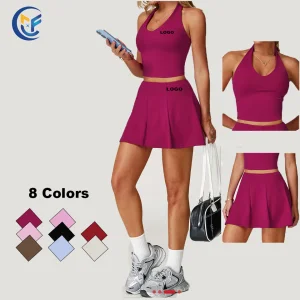
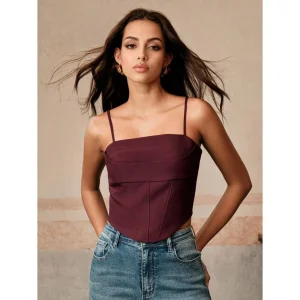
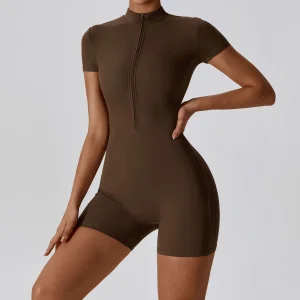
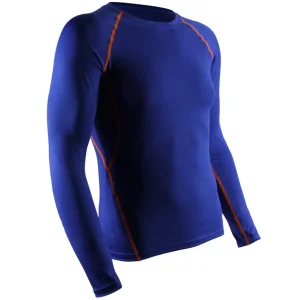
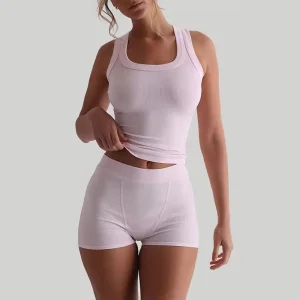
Direct sourcing options for international brands, studios, and fitness apparel buyers.
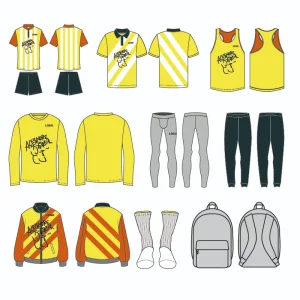
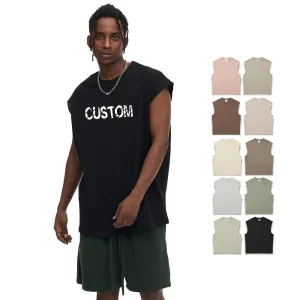
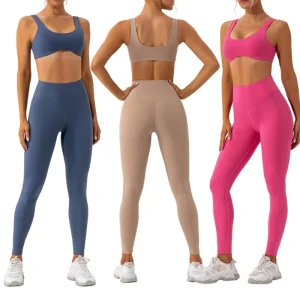
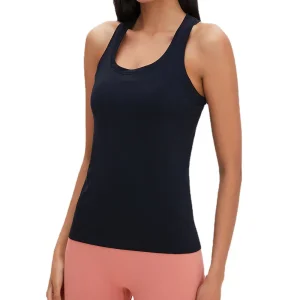
Pilates requires a different design architecture than standard yoga or high-impact gym clothes. Precision compression, lack of abrasive trims (preventing damage to leather reformer beds), and dual-directional elasticity are paramount.
B2B brands face strict standards regarding lead times, chemical compliance (OEKO-TEX), global customs regulations, and custom design adaptation (OEM/ODM execution).
Over-reliance on centralized supply lines can stall launch timelines. Selecting factories with strong supply chains, tech-forward tooling, and robust sample cycles is key to stable scaling.
While yoga apparel focuses heavily on soft stretch and static holding, Pilates wear demands engineered support structures that dynamic core movements and reformer equipment interaction necessitate. Sourcing agencies must evaluate factory outputs using key technical requirements:
1. Hardware-Free Design (Anti-Abrasive Panels)
Pilates practitioners spend considerable time on wooden and leather reformers. Sourcing teams should instruct factories to avoid exposed zippers, metal toggles, and harsh eyelets. These elements scratch reformer beds and pinch the skin during supine positions. Flatlock stitching is the industry gold standard.
2. Compression Gradient Mapping
Pilates exercises focus on core stabilization. Garments with target-mapped compression around the transversus abdominis and lower back provide subtle tactile biofeedback, guiding the wearer to maintain alignment and engage the core.
3. High-Density Interlock Knitting (Non-See-Through Guarantee)
Sourcing specifications must mandate dual-knit interlock structures of at least 220 GSM to ensure 100% opacity during flexion, hamstring extensions, and overhead stretches.
| Performance Metric | Yoga Wear Requirements | Pilates Clothes Specs (Optimal) |
|---|---|---|
| Fabric Composition | Nylon / Spandex blends | Nylon 6.6 / Supplex / High-gauge Elastane |
| Tensile Strength | Moderate elastic recovery | High-stress tensile stability (Spring resistance ready) |
| Seaming Standard | Standard overlock / Flatlock | 4-needle, 6-thread low profile flatlock |
| Hardware & Trims | Aesthetic zippers / drawstrings | 100% zero-metal, seamless, or bonded pockets |
| Compression Factor | Light to medium hold | Graded zonal compression (Lumbar support) |
Guangzhou Reba Fashion Co., Ltd. represents a highly viable manufacturing partner for global athleisure brands seeking high-quality sports and casual clothing. Below is a structured overview of the factory's scale, historical development, and core competencies.
Founded in 2016, Guangzhou Reba Fashion Co., Ltd. began as a small garment workshop and gradually developed into a reliable supplier in the activewear industry. The company currently employs more than 110 skilled workers, including experienced designers, technicians, and quality control staff. Our modern production facility covers approximately 7,500 square meters and is equipped with advanced garment manufacturing and sewing equipment to ensure efficient production and consistent quality.
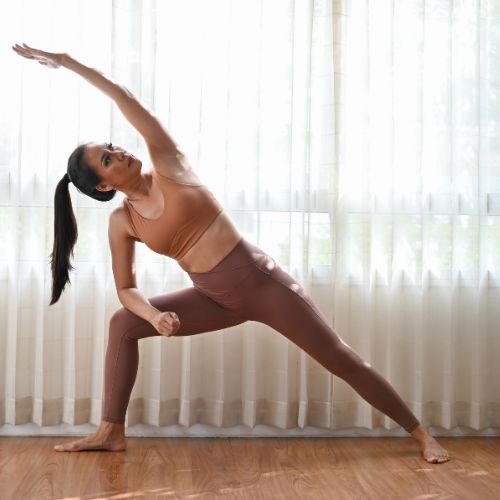
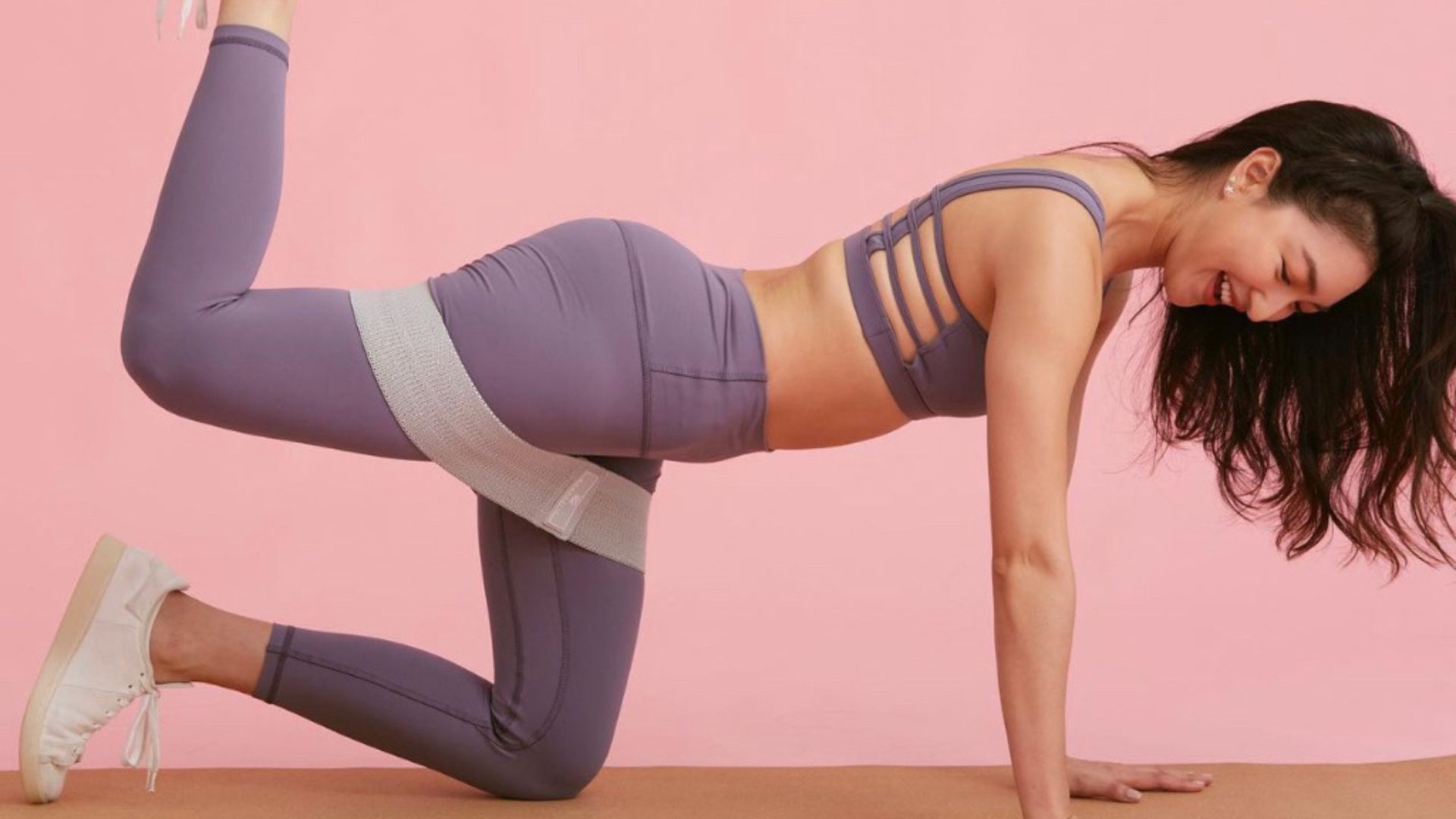
Guangzhou Reba Fashion Co., Ltd. is a professional manufacturer specializing in modern activewear and lifestyle apparel. Located in Guangzhou, China, the company focuses on the design, production, and export of high-quality sports and casual clothing for global markets. Our main product range includes:
Over the years, Reba Fashion has established long-term partnerships with clients in Europe, North America, Southeast Asia, and other international markets. With a strong commitment to innovation, quality control, and customer satisfaction, the company strives to deliver fashionable and functional activewear solutions to customers worldwide.
B2B procurement professionals must run exhaustive risk mitigation checks during the factory selection phase. Use the following framework to assess capability, environmental compliance, and supply chain security:
Brands should require Global Recycled Standard (GRS) and OEKO-TEX Standard 100 verification. Sourcing recycled nylon made from ocean waste or post-industrial waste has shifted from a marketing feature to a basic compliance standard.
Inquire if the supplier uses 3D rendering (e.g., CLO 3D or Browzwear) to create digital samples. This reduces sample turnaround times from weeks to days, saving costs and material waste during prototype feedback cycles.
Verify that the factory utilizes high-grade circular knitting machines (such as Santoni machinery) for seamless garments, which are highly preferred in professional Pilates lines to eliminate chafing.
Strategic buyers are prioritizing bio-based synthetics (such as castor oil-derived polyamides) and waterless dyeing processes (CO2 dyeing) to align with zero-landfill commitments. Additionally, intelligent dynamic fit patterns created using AI mapping are increasingly used to scale fit standards globally, minimizing fit-related returns.
Delivering high-end Pilates apparel safely and cost-effectively requires solid understanding of global customs framework. Key parameters include:
Always request a Certificate of Origin (CO) and testing reports covering formaldehyde content, heavy metals, pH levels, and color fastness before bulk shipments release from the factory warehouse. Partnering with testing providers like SGS or Intertek ensures smooth clearance.
Get answers to critical inquiries when importing custom Pilates clothes from overseas manufacturing plants.
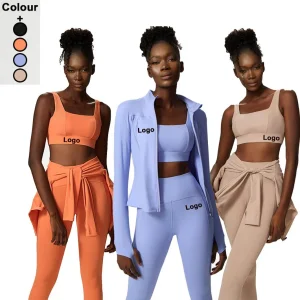
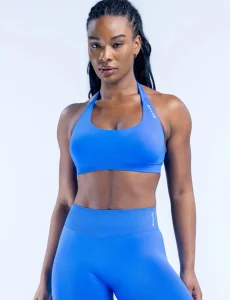
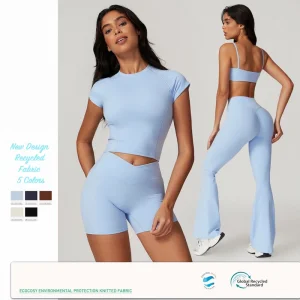
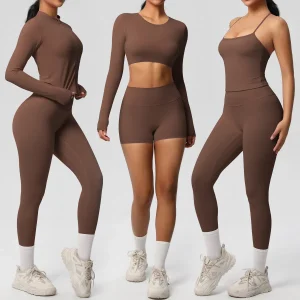
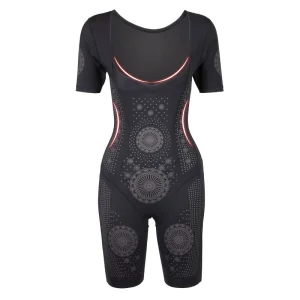
Explore high-elasticity activewear solutions with diverse styles and custom branding options.
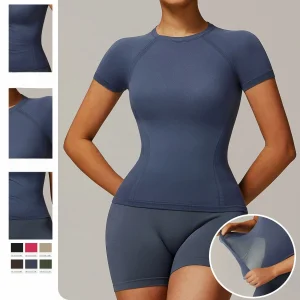
 Reba Fashion