Explore our highly-demanded products, featuring advanced compression performance, moisture-wicking technology, and precision activewear manufacturing.
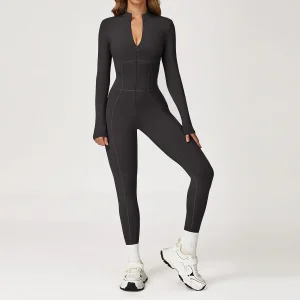
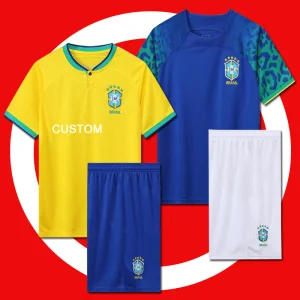
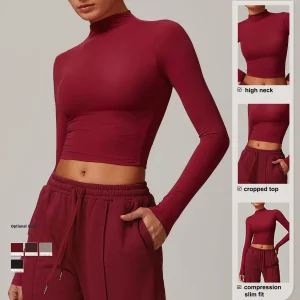
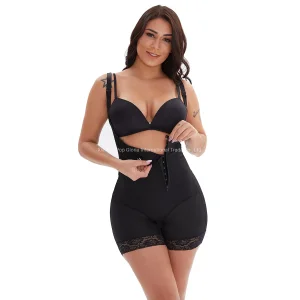
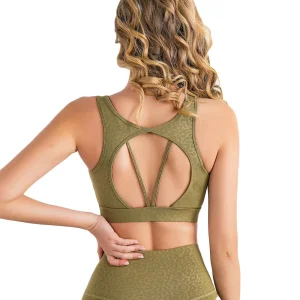
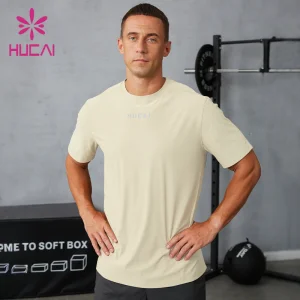
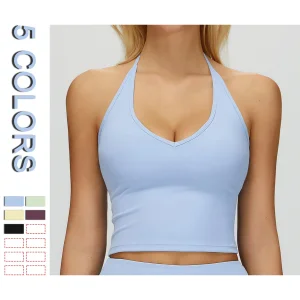
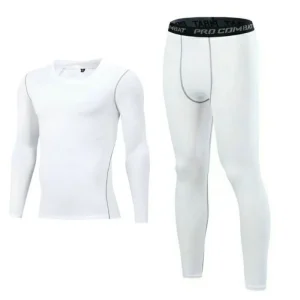
Tie-dye yoga wear has evolved from a retro, niche fashion statement to a high-performance, mainstream activewear staple. Today's global brands require more than just aesthetic color patterns; they demand high-tenacity stretch, dimensional stability, chemical non-toxicity, and reliable batch-to-batch color replication. Sourcing from a top-tier factory involves understanding how dye chemistry interacts with advanced synthetic blends such as Nylon-Spandex and Polyester-Spandex.
For B2B buyers, distributors, and private labels, aligning with a professional factory in China's major manufacturing hubs offers unparalleled scaling capability. This technical guide outlines the critical variables when selecting a manufacturing partner, highlighting the technological processes, supply chain ecosystems, and quality assurance checkpoints that differentiate world-class suppliers.
Ensure your prospective supplier uses reactive dyeing processes rather than disperse dye printing for synthetic fibers. Reactive dyes bind directly to the molecular structure, preventing color bleeding during intensive machine washing and high-friction workouts.
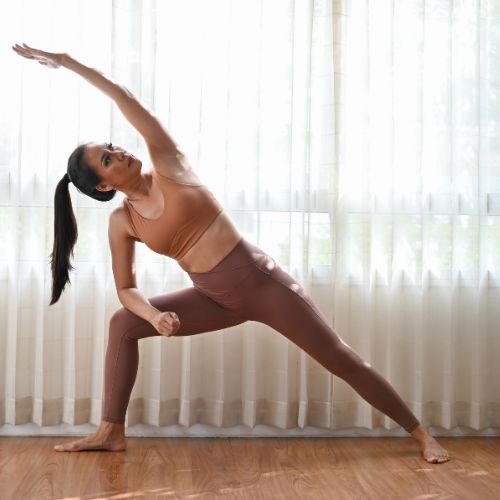
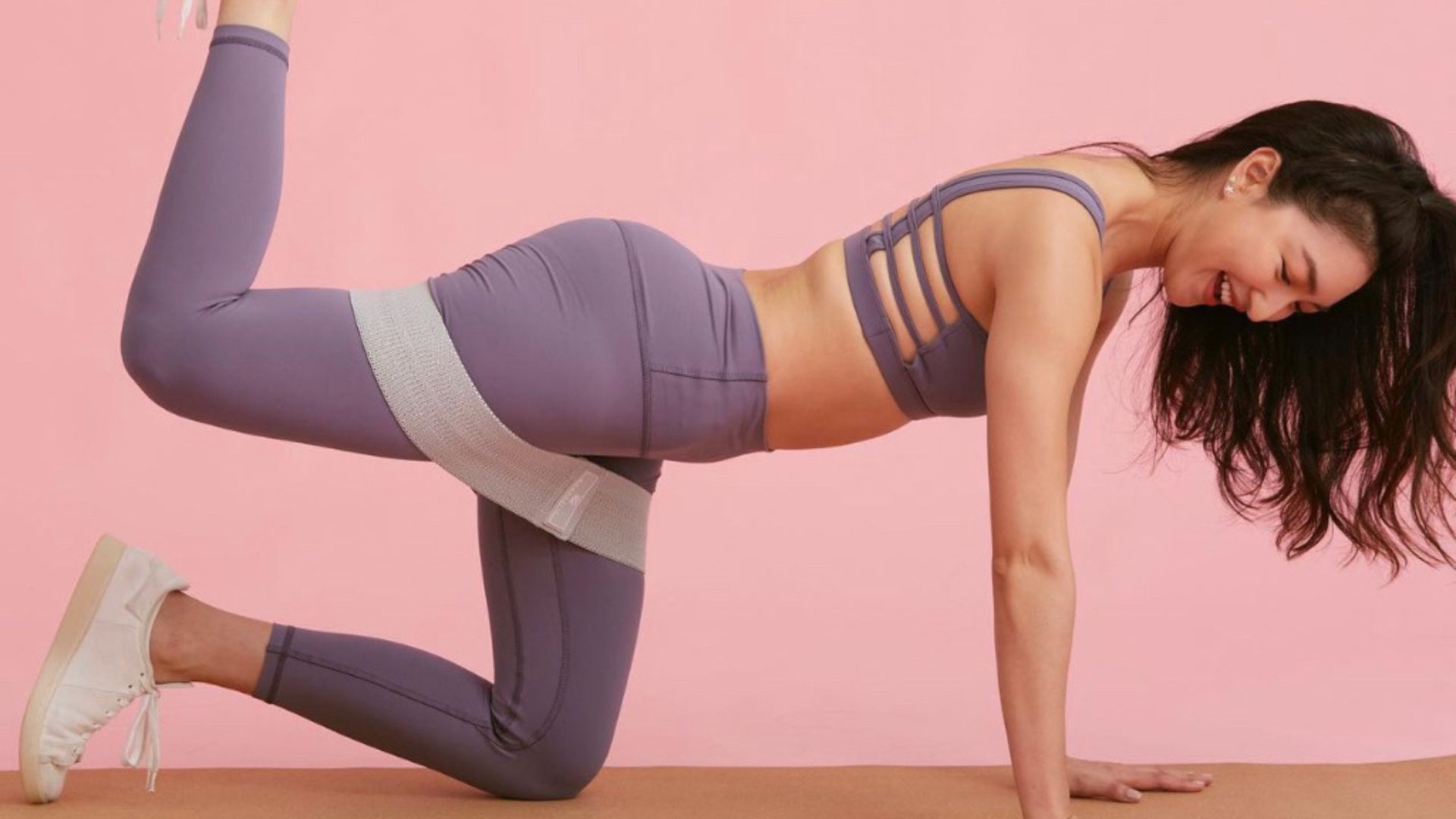
Why Guangzhou stands as the unrivaled global hub for high-performance activewear production.
Guangzhou is situated at the center of the world's most dense textile cluster. Factories can source raw yarns, high-elasticity spandex, recycled polymers, and technical finishing agents (such as moisture-wicking and antimicrobial coatings) within a 50km radius. This drastically minimizes lead times for material formulation.
Unlike basic dye workshops, top Chinese factories employ advanced computer-controlled liquid ratio machines. These systems regulate dye concentrations, temperature ramps, and wash-cycle duration, ensuring that customized tie-dye configurations remain visually consistent across thousands of units.
High-end yoga wear relies heavily on complex sewing configurations, such as 4-needle 6-thread flatlock stitching. The mature workforce in South China possesses high dexterity and experience, resulting in strong, flat, and irritation-free seams essential for intensive yoga and athletic movements.
Our operations are backed by concrete industry metrics, assuring global buyers of our scalability and quality control compliance.
Enterprise sourcing managers must analyze activewear through a strict set of performance matrices. Tie-dye garments present distinct challenges, specifically related to tensile recovery, pattern symmetry, and chemical residues. Here, we outline the primary technical specifications required to achieve commercial success in North American, European, and Asia-Pacific markets.
For high-end activewear, fabric weight is typically measured in grams per square meter (GSM). A mismatch in GSM can lead to garments being either transparent (too light) or restrictive (too heavy). The industry standards for high-performance yoga wear are:
Since tie-dye yoga wear involves heavy exposure to dyes and fixing agents, regulatory compliance is paramount. Sourcing departments must ensure that suppliers comply with the following global certifications:
Before placing bulk production orders, always request a third-party testing report (SGS or Intertek) verifying Color Fastness to Perspiration (ISO 105-E04) and Color Fastness to Rubbing (ISO 105-X12). A minimum grade of 4.0 is required for retail-grade activewear.
The contemporary activewear market is driven by the blurring lines between performance gym wear and everyday lifestyle apparel, commonly referred to as "athleisure". Brands targeting the Gen-Z and Millennial cohorts are capitalizing on the organic, unique patterns generated by hand-dyeing. No two hand-dyed yoga sets are identical, providing an inherent sense of exclusivity that resonates deeply with modern consumer behavior.
Furthermore, specialized design applications such as high-waist compression waistbands, contoured glute seams (scrunch bum details), and integrated pocket systems are standard expectations. A modern factory must seamlessly integrate these physical design requirements with complex dye finishes.
Guangzhou Reba Fashion Co., Ltd. is a professional manufacturer specializing in modern activewear and lifestyle apparel. Located in Guangzhou, China, the company focuses on the design, production, and export of high-quality sports and casual clothing for global markets.
Founded in 2016, Guangzhou Reba Fashion Co., Ltd. began as a small garment workshop and gradually developed into a reliable supplier in the activewear industry. The company currently employs more than 110 skilled workers, including experienced designers, technicians, and quality control staff. Our modern production facility covers approximately 7,500 square meters and is equipped with advanced garment manufacturing and sewing equipment to ensure efficient production and consistent quality.
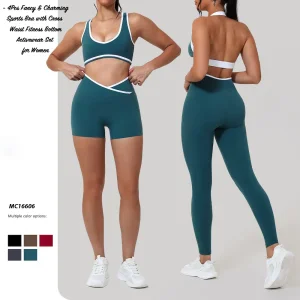
Our main product range includes yoga wear, fitness wear, gym wear, workout sets, sports bras, bodysuits, crop tops, tank tops, compression wear, running wear, training wear, activewear sets, lounge wear, stretch wear, performance wear, athleisure wear, dance wear, and cycling wear. These products are designed to provide comfort, flexibility, and style for sports, workouts, and everyday activities.
Over the years, Reba Fashion has established long-term partnerships with clients in Europe, North America, Southeast Asia, and other international markets. With a strong commitment to innovation, quality control, and customer satisfaction, the company strives to deliver fashionable and functional activewear solutions to customers worldwide.
Addressing the technical, operational, and financial queries of professional apparel buyers.
Because tie-dye is a specialized wet process, standard MOQs usually range from 100 to 300 pieces per style/colorway. This allows factories to optimize dye-bath efficiency and control unit costs. For solid custom colors or standard sublimation prints, MOQs may differ based on fabric availability.
We utilize high-temperature color-fixing treatments and industrial post-dye washings with professional surfactant agents. This process removes loose surface pigments and chemically binds the dyes to the synthetic polyurethane and polyamide fibers, securing a color fastness rating of Grade 4.0+.
Prototype development generally takes 7 to 10 working days. Upon sample approval and deposit confirmation, bulk manufacturing typically takes 25 to 45 days, depending on the design complexity and raw material availability in our Guangzhou facility.
Yes, we provide full OEM and ODM services. This includes heat-transfer logo printing, custom woven neck labels, hangtags with barcoding, and custom biodegradable packaging to align with your brand's retail and environmental standards.
Our QC process covers four stages: Inline Material Inspection (checking fabric elasticity and GSM), Pre-production Inspection (approving print/dye layouts), Inline Sewing Audits (monitoring seam tension and alignment), and Final Pre-Shipment Inspection (100% check on dimensions, stitching integrity, and packaging).
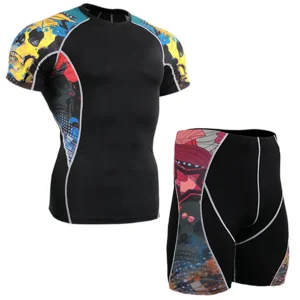
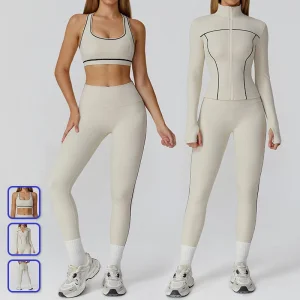
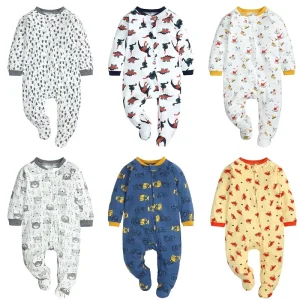
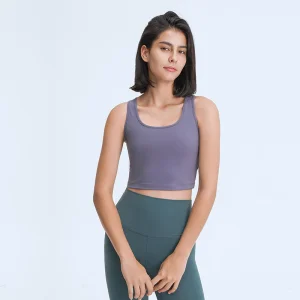
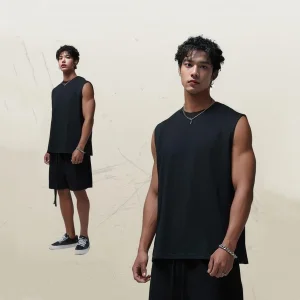
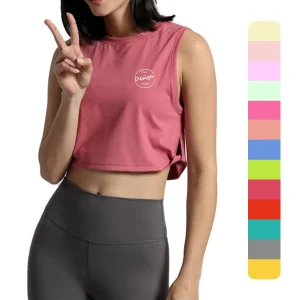
Further explore our extensive manufacturing capabilities spanning custom jerseys, baby wear, crop tops, and comprehensive activewear sets.
 Reba Fashion