Engineering Excellence for Global Athletic Brands
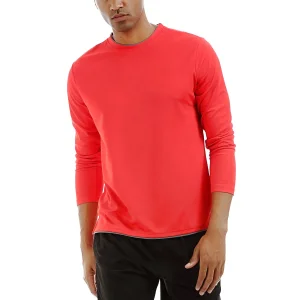
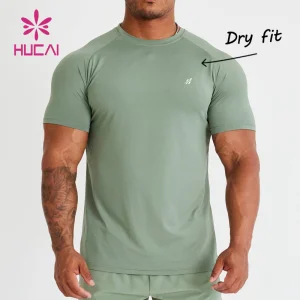
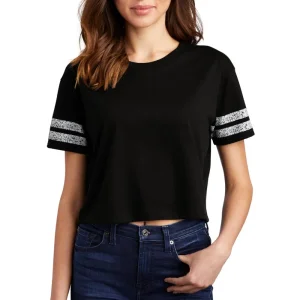
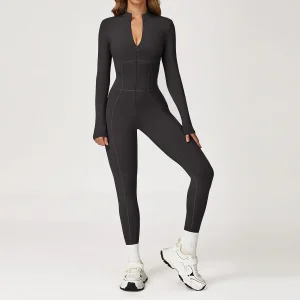

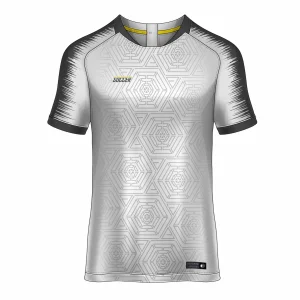

In the modern era of performance textiles, waterproof sportswear has transcended its origins as simple protective gear. Today, it represents a multi-billion dollar intersection of material science, ergonomic design, and sustainable manufacturing. For global procurement officers and brand owners, identifying the Top 10 Waterproof Sportswear Factories is not merely about sourcing; it is about finding partners who offer Information Gain—those who understand the nuances of hydrostatic pressure, moisture vapor transmission rates (MVTR), and eco-compliant DWR (Durable Water Repellent) treatments.
When evaluating a "Top Tier" factory, we look beyond the assembly line. We prioritize Experience in handling membrane laminations (like TPU, PTFE, and PU), Expertise in ultrasonic welding and seam taping, Authoritativeness in international certifications, and Trustworthiness in supply chain transparency.
A Case Study in Modern Activewear Manufacturing
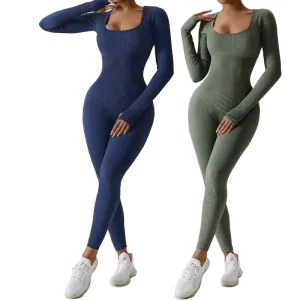
Guangzhou Reba Fashion Co., Ltd. stands as a quintessential example of the China Supply Chain Advantage. Specialized in modern activewear and lifestyle apparel, they have mastered the balance between high-volume production and boutique-quality finishing.

Founded in 2016, the facility covers 7,500 square meters with 110+ skilled workers, ensuring consistent quality across massive production runs.
Strategic partnerships across Europe, North America, and Southeast Asia, delivering functional solutions tailored to diverse climatic needs.
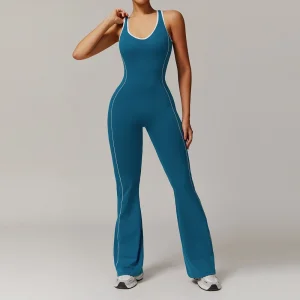
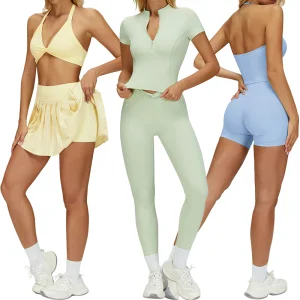
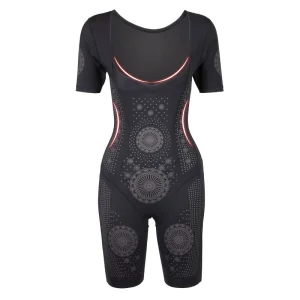
Focusing on yoga wear, fitness wear, and performance sets, Reba utilizes state-of-the-art sewing and manufacturing equipment.
Located in the heart of Guangzhou, the world's most dense garment manufacturing cluster, Reba Fashion leverages the vertical integration of the local textile market to provide rapid prototyping and competitive lead times.

The quest for the best waterproof sportswear factory invariably leads to China. This dominance is not just about labor costs; it's about ecosystem maturity.
China's "Greater Bay Area" (Guangzhou, Shenzhen, Dongguan) acts as a living laboratory for Smart Textiles. Factories here have pioneered the use of laser cutting and AI-driven pattern optimization, reducing fabric waste by up to 15%—a critical metric for sustainability-minded global brands.
Understanding EU REACH, US ASTM, and CA Proposition 65 is non-negotiable. Top factories ensure all waterproof membranes are PFAS-free.
Modern factories provide end-to-end logistics, managing customs clearance and localized warehousing in destination markets.
On-site hydrostatic pressure testers (ISO 811) and breathability jars ensure every batch meets your brand's "Waterproof Rating" claims.
Environmental regulations are phasing out "forever chemicals." The top factories are transitioning to C0 DWR technologies based on plant-based waxes and silicones, maintaining water repellency without environmental toxicity.
Designing for the end of life. Factories are now creating 100% polyester or 100% nylon waterproof shells (including the membrane and tape), allowing for easier textile-to-textile recycling.
Using 3D body scanning and AI movement analysis to place seam lines where they won't compromise waterproof integrity during high-intensity movement.
Focus on thermal insulation + 20,000mm waterproof ratings for sub-zero alpine conditions.
Priority on ultra-high MVTR (Breathability) to prevent the "greenhouse effect" inside the jacket during humid rain.
Saltwater-resistant zippers and specialized coatings to prevent delamination in high-salinity environments.
Ready for Rapid Export and Brand Customization
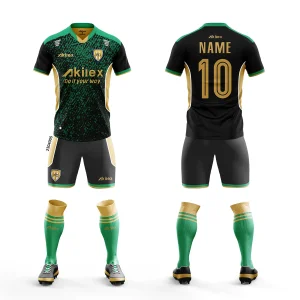


 Reba Fashion