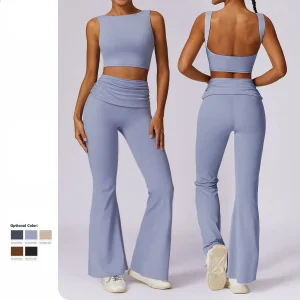
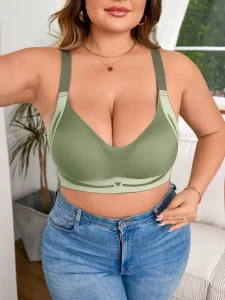
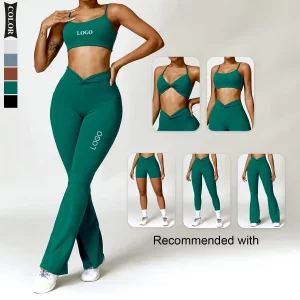
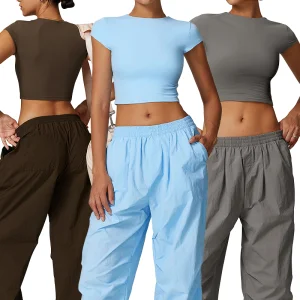
Explore our top-tier precision-knit seamless shorts, sports bras, and integrated gym wear solutions. Engineered with advanced circular knitting machines for zero-friction movement, variable compression, and ultimate moisture management.
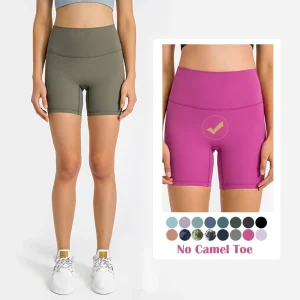
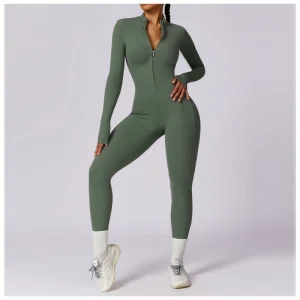
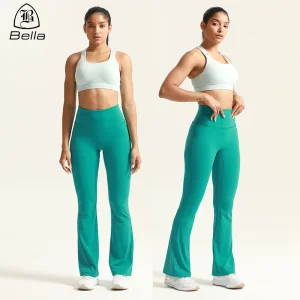
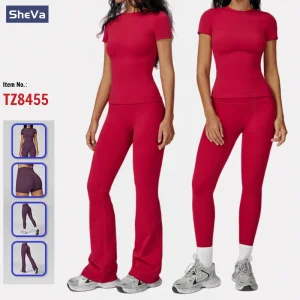
In the highly competitive activewear and athleisure markets, seamless apparel manufacturing technology represents a paradigm shift. Rather than relying on traditional CMT (Cut, Make, Trim) practices that assemble garments from flat, pre-cut fabric panels, seamless knitting utilizes state-of-the-art circular knitting machines (primarily from Santoni) to transform raw yarn directly into finished, tubular structural shapes. This drastically reduces the number of seams needed, eliminating the potential for friction, chaffing, and structural failure at seam junctions.
For procurement directors, category buyers, and apparel brands seeking to expand their high-performance lines, choosing a seamless shorts manufacturer is a multi-dimensional decision. It involves examining mechanical capacities, raw yarn configurations, sustainability metrics, and quality assurance checkpoints. This whitepaper serves as an analytical guide to navigating the industry's landscape, evaluating manufacturers, and planning seamless programs for optimized global distribution.
The global seamless apparel market size has experienced double-digit compound annual growth rates (CAGR). This shift is driven by the rapid growth of functional sportswear, combined with a rising demand for body-shaping compression apparel. Seamless shorts, in particular, serve a wide range of use cases including run, gym, trail, yoga, cycling, and shapewear. They are valued for their structural integrity, breathability, and aesthetic appeal.
The development of modern seamless shorts relies heavily on advances in circular knitting machinery. The traditional flat knitting machines used in knitwear have given way to multi-feed circular systems. These machines utilize computerized micro-controllers to program yarn feed rates, stitch densities, and stitch patterns row by row. This enables manufacturers to create distinct zones of varying thickness, stretch resistance, and breathability within a single piece of tubular fabric.
In addition to machinery, the yarn composition is a key factor. Unlike traditional cut-and-sew fabrics that rely on pre-woven fabric rolls, seamless garments are created by combining structural yarns (such as Nylon 6 or Nylon 6.6) with elastic yarns (like Spandex/Elastane) directly inside the knitting machine. This method ensures consistent yarn tension and alignment throughout the entire production run.
Another key advancement is the integration of high-performance technical properties directly into the fabric. For example, adding moisture-wicking properties, anti-bacterial treatments, and temperature-regulating finishes at the yarn level ensures these benefits last for the life of the garment, unlike topical coatings applied after production. The table below outlines these yarn combinations and their performance characteristics:
| Yarn Base | Elastic Ratio | Optimal Application | Key Performance Metric |
|---|---|---|---|
| Nylon 6.6 / Tactel | 15% - 25% Spandex | High-Impact Training, Compression | High abrasion resistance & muscle support |
| Recycled Nylon (GRS) | 12% - 20% Roica Eco | Eco-conscious athleisure, low-impact yoga | Reduced carbon footprint & soft hand-feel |
| Polyester Blend | 10% - 18% Elastane | Sublimation Printing, Marl Melange Looks | Dye affinity & moisture dispersion speed |
Enterprise buyers face unique challenges when securing long-term manufacturing partners. Sourcing seamless apparel requires balancing style and design with technical specifications and production capacity.
Buyers must verify the diameter and needle density (gauge) of a factory's circular knitting machines. A 13-inch or 14-inch cylinder diameter is typically required to produce seamless shorts in standard adult sizes without overstretching the fabric.
Seamless apparel behaves differently than traditional cut-and-sew garments, which makes size grading complex. Professional manufacturers must use advanced CAD programming to adjust knitting tension and stitch counts, ensuring consistent fit across all sizes.
While the main body of a seamless short is knit in a single piece, finishing steps like waistband lining, crotch gussets, and leg hems still require skilled sewing. Manufacturers must use high-quality flatlock or bonding equipment to ensure these seams remain strong and flat.
Founded in 2016, Guangzhou Reba Fashion Co., Ltd. has grown from a small garment workshop into a reliable, full-service manufacturer in the activewear and athleisure industry. Located in Guangzhou, China, the company specializes in the design, production, and global export of high-quality, high-performance athletic apparel.
The company’s modern 7,500 square meter production facility is equipped with advanced garment manufacturing, circular knitting, and precision sewing equipment. This infrastructure allows Reba Fashion to maintain strict quality control and support efficient production timelines for clients worldwide.
Reba Fashion employs more than 110 skilled professionals, including experienced designers, technical pattern makers, and dedicated quality control staff. This team handles all stages of development, from initial design concepts and custom fabric formulation to final production and packaging.


To meet the standards of international markets, Guangzhou Reba Fashion Co., Ltd. implements a multi-stage inspection process. Quality control begins with testing incoming raw yarns for elasticity and colorfastness, continues with inline monitoring of the circular knitting machines, and finishes with pull tests on all joined seams.
This commitment to manufacturing quality helps ensure that every piece, whether a high-compression biker short or a lightweight crop top, maintains its shape, seam strength, and performance properties after repeated wear and washing.
Sourcing seamless sportswear internationally requires navigating logistics, raw material supply lines, and regulatory requirements. A reliable manufacturing partner must offer robust support in these key operational areas.
Working with established yarn suppliers like Invista, Hyosung, and Fulgar ensures a consistent supply of premium fibers. This helps protect production runs from material shortages and maintains consistent quality across orders.
Factories should maintain standard industry certifications, such as BSCI for social compliance and OEKO-TEX Standard 100 to verify that finished garments are free from harmful substances.
Experienced manufacturers offer flexible shipping solutions, including FOB, CIF, and DDP options. This helps streamline delivery and simplifies the customs clearance process for international buyers.
The seamless manufacturing sector continues to evolve, driven by developments in sustainability, machinery automation, and performance properties.
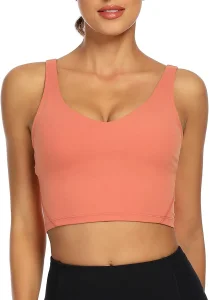
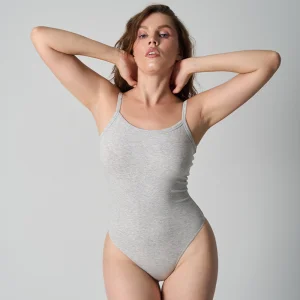
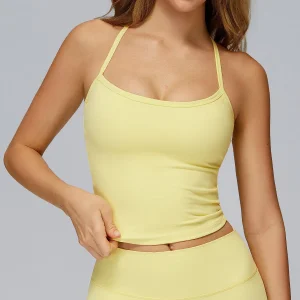
View our complete line of high-quality activewear, including seamless crop tops, supportive sports bras, compression leggings, and recovery wear options.
 Reba Fashion