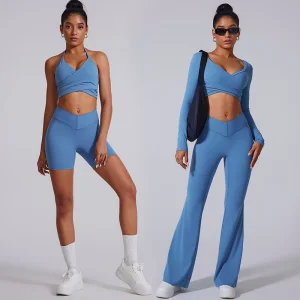
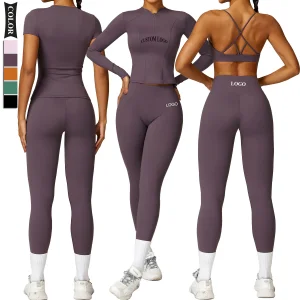
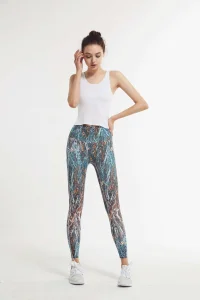
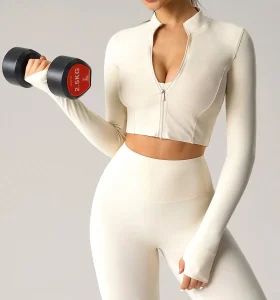
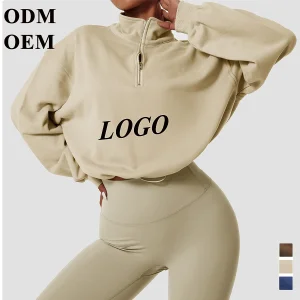
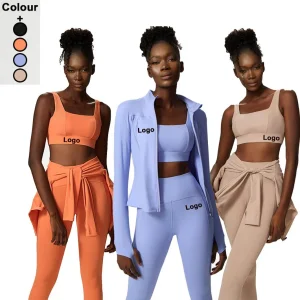
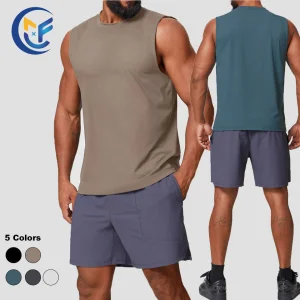
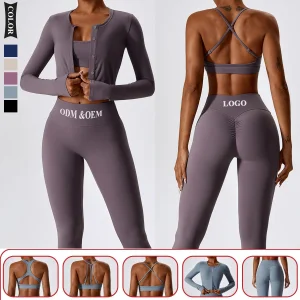
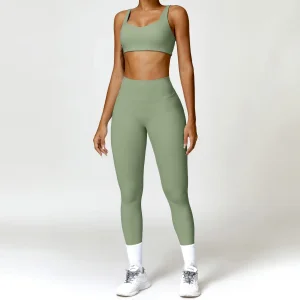
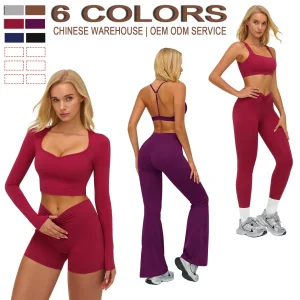
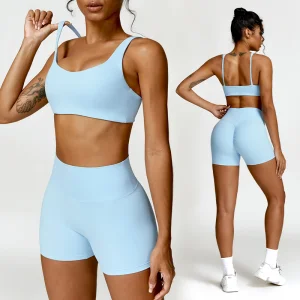
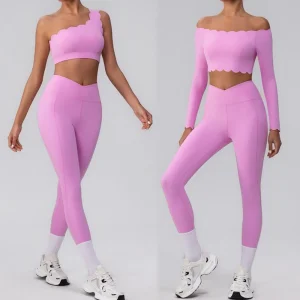
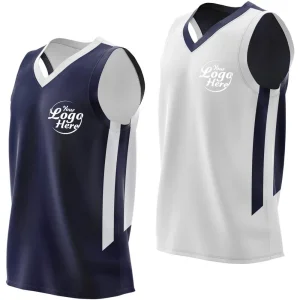
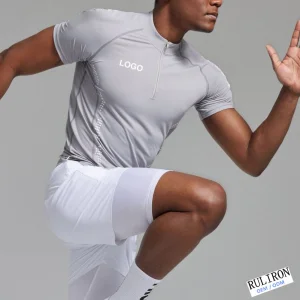
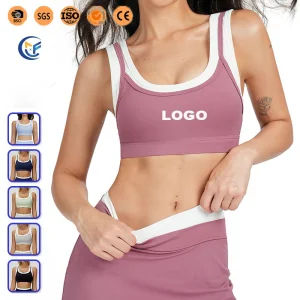
The global activewear market has undergone a seismic shift, with Bralette Sports Bras emerging as the pinnacle of functional fashion. As procurement managers and brand founders, understanding the manufacturing landscape in China is crucial for scaling your brand. Guangzhou remains the undisputed hub for technical apparel, combining material science with rapid-prototyping capabilities.
China's dominance in sportswear manufacturing, specifically in Guangzhou Reba Fashion Co., Ltd., is built on a "vertical integration" model. Unlike fragmented supply chains, top-tier factories here control the process from raw fiber sourcing to final garment finishing. This provides three distinct competitive advantages:
The lines between "gym wear" and "streetwear" have blurred. Consumers now expect their sports bras to transition seamlessly from a high-intensity workout to a coffee meeting. This requires a holistic design approach. Manufacturers are shifting toward "multi-functional aesthetics," incorporating laser-cut details, hidden pockets for essentials, and adjustable support structures that maintain shape after multiple wash cycles.
Founded in 2016, Guangzhou Reba Fashion Co., Ltd. stands as a testament to specialized manufacturing. With over 7,500 square meters of production space and a dedicated team of 110+ professionals, the company provides the infrastructure necessary to satisfy both boutique fitness brands and large-scale global distributors.
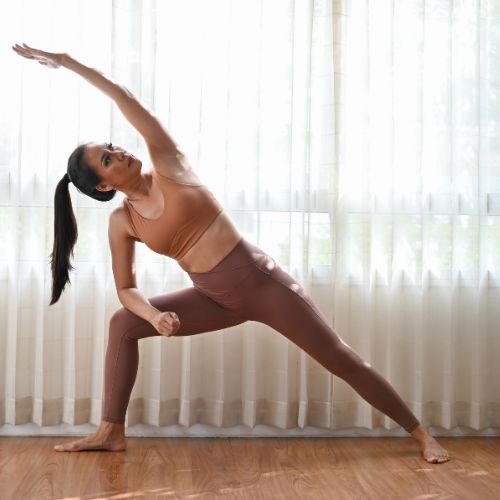
By blending traditional craftsmanship with advanced sewing automation, Reba Fashion ensures that every piece of compression wear, yoga set, or bralette meets stringent international quality standards. Their export footprint spans Europe, North America, and Southeast Asia, making them a reliable pillar in your supply chain.
MOQ varies based on customization level. For established factories like Reba Fashion, smaller batches are often possible for new brands if using existing fabric stocks, while custom fabric development typically requires higher volumes to offset knitting costs.
Top manufacturers employ an AQL (Acceptable Quality Limit) inspection system. This includes pre-production testing of fabrics for colorfastness and shrinkage, followed by in-line inspections at every sewing station.
Key specs include a high Lycra/Spandex content (usually 15-25%) for recovery, four-way stretch capability, moisture-wicking properties (polyester/nylon blends), and reinforced stitching (interlock or flatlock) at high-tension stress points.
 Reba Fashion