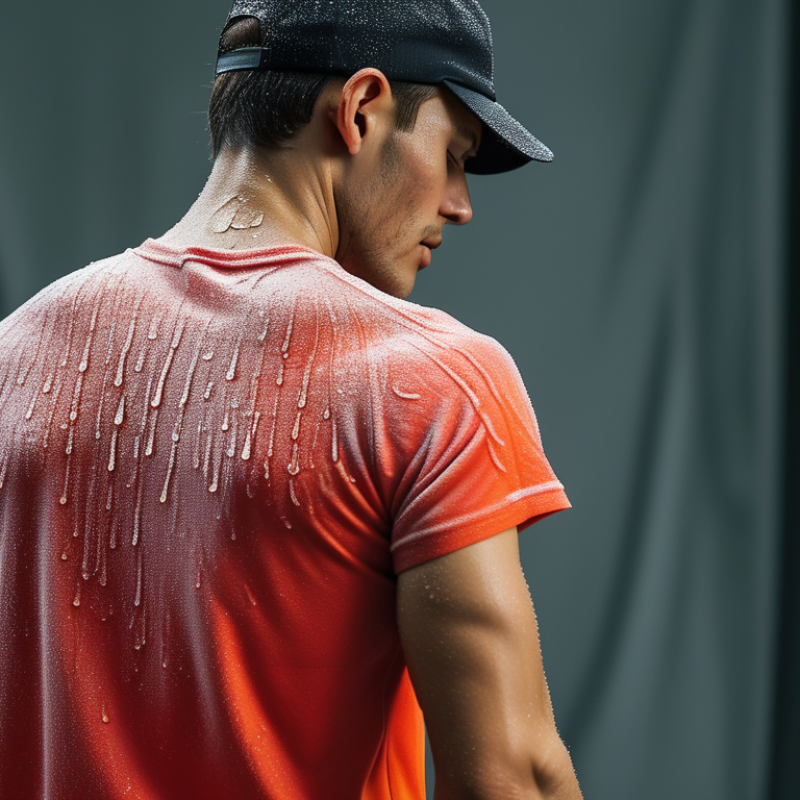
When athletes train, sweat can pool beneath a shirt, especially around the back, waist, and underarms. That trapped moisture increases skin friction and makes fabric feel heavy. This is why moisture wicking fabrics are important for sports. They move liquid sweat across the fabric surface, where air can support evaporation. The result is often a drier, lighter, and more comfortable garment during repeated movement.
Industry data reinforces the material’s importance. Textile Exchange’s Materials Market Report 2024 reported that polyester represented approximately 59% of global fiber production in 2023. Polyester remains widely used in performance clothing because its low absorbency supports quick drying. However, fiber choice alone does not guarantee comfort. Fabric structure, yarn shape, finishing treatments, garment fit, and ventilation also matter. A tightly fitted shirt may still feel hot in humid conditions.
Professional testing provides a clearer standard than marketing language. AATCC TM195 evaluates liquid moisture management, while ISO 11092 measures thermal and evaporative resistance. These methods examine measurable performance rather than vague claims such as “cooling” or “advanced comfort.” Research published in sports-textile journals also links moisture movement with thermal comfort, although results vary between athletes and environments. Personal experience shows the same limitation: a shirt may dry quickly outdoors but remain damp during indoor training with poor airflow. Manufacturers should report test conditions openly. Consumers should question impressive claims. Performance clothing is useful, but it is not a substitute for hydration, suitable layering, or sensible training decisions.
What Moisture-Wicking Fabrics Are
Moisture-wicking fabric is designed to move sweat away from the skin. It does not simply absorb moisture like a towel. Instead, its fibers spread liquid across a larger outer surface. This allows sweat to evaporate faster during exercise. The process relies on capillary action, created by tiny spaces between fibers. Polyester, nylon, and polypropylene commonly support this structure. Their low moisture absorption helps them dry quickly. Some fabrics also receive a chemical finish that improves spreading. However, that finish may weaken after repeated washing. A fabric’s construction matters as much as its fiber content. Mesh zones can increase airflow around the chest, back, and underarms.
In my experience, a good wicking shirt feels less clingy during a long run. The fabric moves sweat outward before it forms heavy, cold patches. That reduces discomfort, especially under a backpack or protective equipment. Still, moisture-wicking does not mean moisture disappears immediately. High humidity can slow evaporation, even when the shirt performs well. Cotton may feel soft at first, but it can retain sweat and become heavy. I once assumed every synthetic shirt would dry quickly. That was too simple. Fiber blend, fabric weight, knit density, and fit all influence performance. Textile testing may measure wicking height, drying time, and moisture spreading. These results help, but real movement remains important. A shirt that tests well may still feel warm, rough, or restrictive.
How Moisture-Wicking Materials Move Sweat
Moisture-wicking fabric moves sweat away from the skin through capillary action. Tiny spaces between the fibers pull liquid outward. The moisture then spreads across a wider surface area. This helps it evaporate faster during exercise.
A runner may notice this process on a warm afternoon. Sweat gathers under the collar, then appears across the shirt’s outer surface. Airflow from movement helps the damp layer release moisture. A close, comfortable fit also keeps fabric touching the skin.
The material does not remove sweat completely. It only manages moisture more effectively than many tightly woven fabrics. Fiber shape, fabric structure, humidity, and workout intensity all affect performance. In very humid weather, evaporation slows, even with good moisture management. That detail is easy to overlook.
A practical check is simple: after training, feel both sides of the fabric. The skin-facing side should feel less saturated than the outer layer. Still, personal comfort matters more than technical claims. Some fabrics spread sweat quickly but feel clammy. Others dry slowly yet feel softer. Testing the garment during real movement remains the most reliable judgment.
Benefits of Moisture Management During Sports
Why Are Moisture Wicking Fabrics Important for Sports?
Benefits of Moisture Management During Sports
During intense exercise, sweat can collect beneath clothing and create a heavy, sticky feeling. Moisture-wicking fabric helps move perspiration away from the skin. This process supports faster evaporation and keeps the surface feeling drier. A dry base layer may also reduce rubbing around the shoulders, waist, and inner thighs. Small details matter during a long run.
From my experience with training clothing, comfort often affects movement and concentration. When fabric stays wet, athletes may adjust their shirts repeatedly or shorten their sessions. Moisture management can help regulate comfort as body temperature changes. It does not stop sweating. It manages where the sweat remains. Textile engineers study fiber shape, fabric density, and airflow to improve this performance. However, one fabric feature rarely solves every problem.
Fit matters too. A loose garment may slow moisture transfer, while a tight one can trap heat. Weather, exercise intensity, and personal sweat levels also change the result. Laboratory tests can measure drying speed, but outdoor conditions are less predictable. I once assumed that a faster-drying shirt was always better. That belief was incomplete. Some fabrics dry quickly but feel rough during repeated movement. Wash care matters as well. Heavy softeners may reduce fabric performance over time, so care instructions deserve attention.
Common Fabrics Used in Athletic Clothing
When a workout heats up, fabric choice strongly affects comfort and performance. Moisture-wicking materials pull sweat away from the skin and spread it across the surface. This allows faster evaporation during running, cycling, or indoor training. In my own training sessions, a damp shirt often caused rubbing under my arms. A lighter, quick-drying fabric felt noticeably better. Still, no fabric feels perfect in every climate.
Polyester is widely used because it dries quickly, resists shrinking, and keeps its shape. Its smooth fibers can feel slightly warm during intense exercise. Nylon feels soft and durable, making it useful for leggings, shorts, and fitted tops. Polypropylene moves moisture efficiently and stays light, even after heavy sweating. These synthetic fabrics can hold odors, though. Elastane is often added for stretch, helping clothing move with the body without losing recovery.
Merino wool manages moisture while providing warmth in cooler conditions. It also feels less clammy after several hours outdoors. Cotton feels comfortable at first, but it absorbs sweat and dries slowly. That can leave a heavy, cold layer against the skin. Blended fabrics may balance softness, stretch, drying speed, and durability. I once chose a fabric for its softness and ignored its poor ventilation. That decision was uncomfortable. Fit matters too. A breathable fabric may still trap heat when clothing is overly tight. Fabric performance depends on weather, activity level, garment construction, and personal tolerance.
How to Choose and Care for Moisture-Wicking Sportswear
Why Are Moisture-Wicking Fabrics Important for Sports?
How to Choose and Care for Moisture-Wicking Sportswear
Choosing moisture-wicking sportswear starts with the activity. For running, select lightweight fabric with mesh panels under the arms or across the back. For hiking, a slightly thicker material may offer better durability. Polyester and nylon blends usually move sweat away from the skin quickly. Check the fabric surface, too. A smooth, flexible texture should not scratch or restrict movement. The garment should fit closely, but not tightly. Too much compression can feel uncomfortable during long training sessions. I once chose a shirt that looked breathable, but its thick seams caused irritation after twenty minutes.
Tips: Read the care label before washing. Use cool or warm water, and avoid fabric softener because it can coat the fibers. That coating may reduce moisture movement. Turn sportswear inside out to protect the fabric and remove sweat from the inner surface. Mild detergent is usually enough. Skip bleach unless the label clearly permits it. Air-drying is safer than high heat, which can weaken stretch fibers. Do not leave damp clothes in a gym bag overnight. They may develop a stubborn odor.
Inspect sportswear regularly. Look for stretched elastic, loose seams, or fabric that stays wet longer than before. These signs can affect comfort and performance. Washing immediately is ideal, although real schedules are imperfect. If immediate washing is impossible, hang the garment in a ventilated place first. Avoid storing it while damp. A clean, well-fitted layer helps regulate body temperature and keeps movement more comfortable during changing training conditions.
Conclusion
Moisture-wicking fabrics are specially designed to pull sweat away from the skin and spread it across the fabric’s surface, where it can evaporate more quickly. Understanding why moisture wicking fabrics are important for sports helps explain how athletes can stay drier, more comfortable, and focused during physical activity. By managing moisture, these materials may help reduce skin irritation, overheating, unpleasant odors, and the discomfort caused by heavy, wet clothing.
Common athletic fabrics include polyester, nylon, merino wool, and blended materials, each offering different levels of softness, breathability, durability, and odor control. When choosing moisture-wicking sportswear, consider the activity, climate, fit, fabric weight, and ease of movement. Proper care is also essential: follow the washing instructions, avoid excessive heat, skip fabric softeners when recommended, and allow garments to dry thoroughly. With the right material and maintenance, moisture-wicking clothing can support comfort and performance across many types of sports.
 Reba Fashion
