Choosing the right clothing can change how yoga or fitness training feels. A soft waistband, breathable fabric, and secure seams may keep your attention on movement instead of discomfort. Yet no single outfit suits every body, workout, or climate. Personal comfort matters more than following a passing fashion trend.
This guide explores the top 10 types of yoga and fitness clothing to choose. It considers leggings, shorts, sports bras, tank tops, fitted shirts, joggers, jackets, and supportive accessories. Each option serves a different purpose, from gentle stretching to high-impact training. Lightweight fabrics can help manage sweat, while flexible materials support deep bends and repeated squats. For outdoor sessions, layering becomes especially useful when temperatures shift.
The practical question is how to choose clothing for yoga or fitness training without wasting money. Start by checking fit, fabric performance, stitching, and movement. Try a squat, reach overhead, or hold a lunge before buying. Clothing that rides up in the fitting room may become more distracting during class. It is also wise to consider washing instructions, skin sensitivity, and long-term durability. Some claims about “performance” fabrics sound impressive but need careful attention. A costly item is not automatically better. Your routine may reveal that comfort, coverage, and reliable support matter most. Test what works. Adjust when needed.
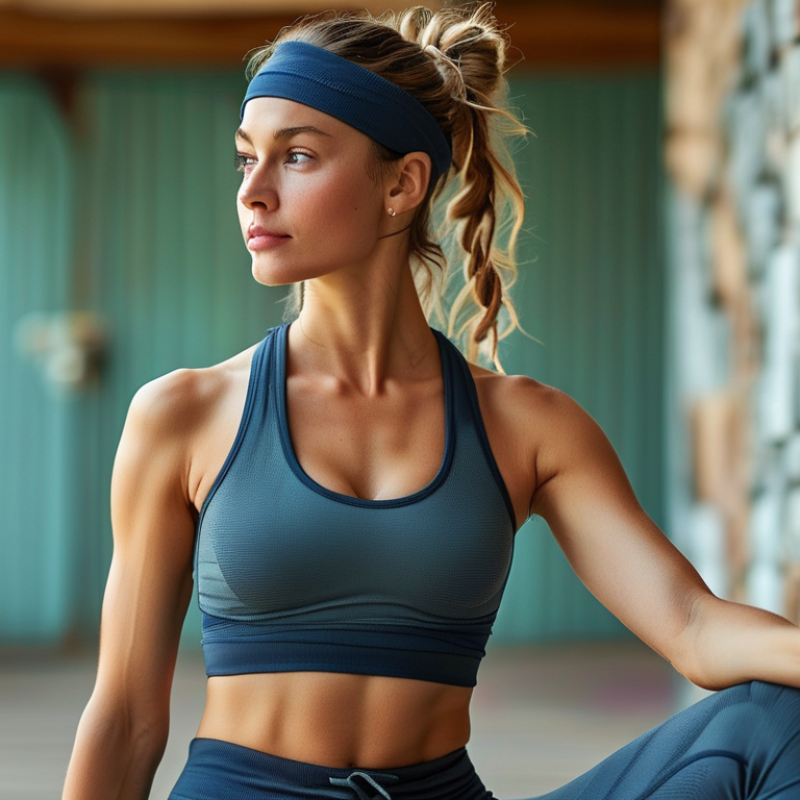
Top 10 Types of Yoga and Fitness Clothing to Choose
Yoga leggings offer full coverage for stretching, balances, and floor exercises. Choose a high-rise waist that stays flat during movement. Yoga shorts suit hot rooms and intense sessions, but they may expose more skin during inversions. Sports bras provide essential support for running, jumping, and cycling. Light-support designs usually work for gentle yoga. High-support styles reduce movement during demanding workouts.
Tanks keep the shoulders free for lifting and flowing poses. Fitted T-shirts provide moderate coverage and help absorb sweat during studio classes. Unitards combine a top and bottom, creating a secure option for dance, pilates, or mobility training. They can feel restrictive if the fabric lacks enough stretch. Joggers offer relaxed coverage for warm-ups, travel, and low-impact exercise. Their loose cuffs may catch during certain machines.
Compression tights support muscle awareness during running and strength training. However, firm compression should not cause numbness or leave deep marks. Lightweight hoodies add warmth before class and after outdoor workouts. Cover-up pants protect the legs during commutes and cooler environments. Check seams, waistbands, and fabric opacity under bright light. A squat test matters. I once chose soft leggings that became transparent when stretched, which showed me that comfort alone is not enough. Movement, support, coverage, and personal sensitivity should guide the final choice.
| No. | Clothing Type | Best-Suited Activities | Support Level | Coverage | Practical Features | Recommended For |
|---|---|---|---|---|---|---|
| 1 | Yoga Leggings | Yoga, Pilates, stretching, mobility work | Low to medium | Full leg | Four-way stretch, soft hand feel, flat seams, flexible waistband | People who prioritize unrestricted movement and a streamlined fit |
| 2 | High-Waisted Training Tights | Weight training, gym circuits, indoor cycling | Medium | Full leg and midsection | Wide waistband, squat-friendly stretch, moisture-wicking fabric, secure fit | Athletes seeking stability around the waist during strength exercises |
| 3 | Sports Bra | Yoga, running, aerobics, gym workouts | Low to high | Upper torso | Breathable panels, adjustable or fixed straps, elastic underband, removable pads in some designs | Users who need activity-appropriate breast support |
| 4 | Performance Tank Top | Fitness classes, yoga, light cardio, gym sessions | Low | Shoulders to hips | Lightweight knit, quick-drying construction, ventilation zones, relaxed or fitted cuts | People who want a cool, flexible upper layer for moderate activity |
| 5 | Running Shorts | Running, HIIT, boot-camp workouts, outdoor training | Low to medium | Upper thigh | Lightweight fabric, split or curved hems, inner liner, drawcord waistband | Runners and high-intensity users who value airflow and stride freedom |
| 6 | Biker Shorts | Cycling, spin classes, yoga, strength training | Medium | Mid-thigh | Close-fitting stretch fabric, chafe-resistant seams, supportive waistband, reduced shifting | Users who prefer more coverage than running shorts without full-length tights |
| 7 | Compression Pants | Distance running, recovery sessions, endurance training | Medium to high | Full leg | Close graduated or uniform compression, smooth seams, moisture management, muscle-contouring fit | Endurance athletes who prefer a close, supportive garment |
| 8 | Training Joggers | Warm-ups, casual fitness, outdoor workouts, travel | Low to medium | Full leg | Tapered or relaxed silhouette, elastic cuffs, drawcord waist, pockets, moderate warmth | People who want comfort, warmth, and practical storage |
| 9 | Long-Sleeve Training Top | Cool-weather running, outdoor yoga, warm-ups | Low | Neck to wrists | Layer-friendly fit, moisture-wicking fabric, thumbholes in some styles, light insulation | Outdoor exercisers who need extra arm coverage without heavy bulk |
| 10 | Lightweight Workout Jacket | Outdoor training, commuting, pre- and post-workout layering | Low | Torso and arms | Wind-resistant outer layer, full or half zip, adjustable hem, pockets, packable construction | Users who need flexible protection from wind or changing temperatures |
Soft sports bras, slim tanks, and lightweight tees usually work well. They allow deep breathing. Loose fabric may fall over your face during inversions.
Choose a structured sports bra with wide straps and secure coverage. The band should support you without restricting breathing. Moisture-wicking fabric and flat seams can improve comfort.
Try arm swings, bends, and a brisk walk. Check whether the bra stays in place. It should not dig into your ribs.
Lightweight jackets suit warm-ups, cool-downs, and cool morning walks. A two-way zipper helps release heat. Thick fleece feels warm but can become heavy during intense exercise.
It should feel snug, not painful. You should breathe and move normally. Numbness, skin irritation, or difficult removal signals a poor fit.
Leggings, shorts, joggers, tanks, tees, jackets, and supportive socks serve different needs. Running may need firmer support. Gentle yoga may need softer, more flexible layers.
Squat, stretch, twist, lift your arms, and walk briskly. These movements reveal riding fabric, tight seams, or restricted breathing. Pictures cannot show everything.
Breathable fabric may feel comfortable during warm-ups but heavy after sweating. Keep a lighter layer nearby when weather changes. Follow the care label, because heat can damage stretch fibers. I still get this wrong sometimes.
Choosing the right clothing can make yoga and fitness training more comfortable, focused, and effective. This guide classifies the top 10 clothing types according to activity, support, stretch, and coverage. It compares yoga leggings, shorts, and tops to explain when flexible, breathable fabrics are most useful and how different coverage levels suit movement, temperature, and personal comfort. It also examines sports bras, tanks, and tees, showing how support should match workout intensity, from gentle stretching to high-impact exercise.
Performance layers are another important part of a complete workout wardrobe. Jackets and hoodies can provide warmth before and after training, while compression wear may offer a secure, streamlined fit during movement. By considering fabric flexibility, moisture management, fit, and layering needs, readers can better understand how to choose clothing for yoga or fitness training. This practical approach reflects the growing importance of wellness, an economy valued globally at $5.6 trillion in 2022.

 Reba Fashion