Long workouts can be challenging, yet they are crucial for enhancing endurance and strength. Professionals advise that knowing how to stay comfortable during long workouts can significantly improve performance. According to the American Council on Exercise, over 60% of people drop out of their fitness routines due to discomfort and fatigue. Therefore, understanding and implementing effective strategies is essential.
Research from the International Journal of Sports Nutrition reveals that hydration levels can greatly impact workout endurance. This means that athletes must pay attention to their fluid intake, especially during extended sessions. Similarly, the right equipment plays a vital role; wearing suitable shoes and clothing can minimize discomfort. Small adjustments can create significant improvements, ensuring a more enjoyable experience.
It's important to acknowledge that not all strategies work the same for everyone. Individual preferences and body responses vary widely. Therefore, experimenting with different techniques is key to finding what helps you maintain comfort during prolonged activity. Embracing a personal approach will ultimately lead to better results and a sustainable fitness journey.
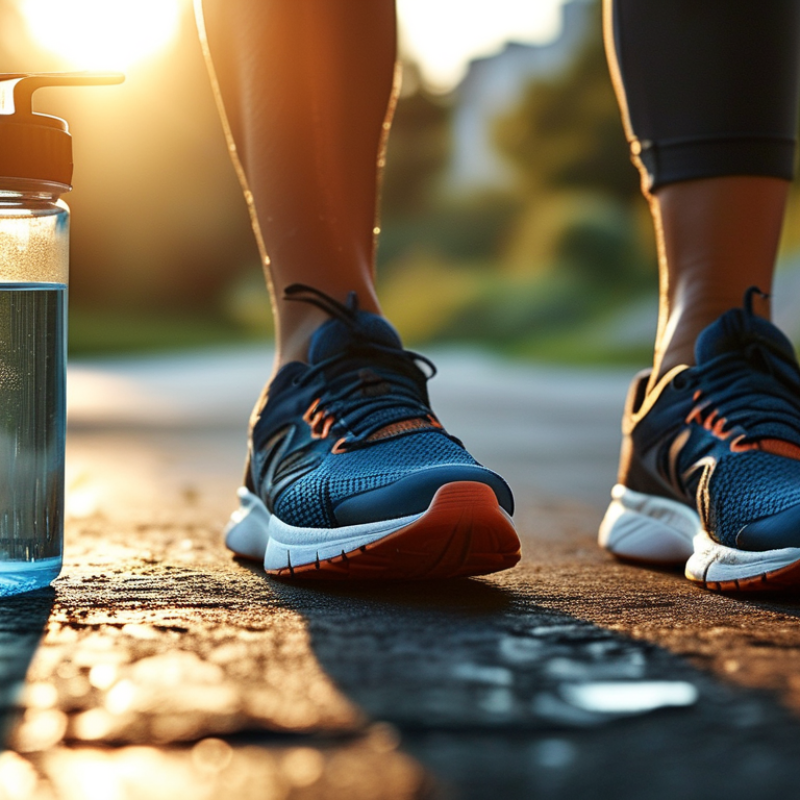
Understanding your body's limits is crucial for lengthy workouts. The American College of Sports Medicine recommends that people engage in at least 150 minutes of moderate-intensity exercise each week. However, pushing past physical limits can lead to fatigue or injury. Knowing when to pause is essential for maintaining health and performance.
Monitoring your heart rate can provide insights into your endurance levels. Research indicates that optimal training occurs at 60-80% of your maximum heart rate. Going beyond this zone may result in a decrease in performance. It's important to recognize signs of exhaustion, such as unusual muscle soreness or recurring fatigue. These signs indicate your body needs time to recover.
Hydration plays a critical role as well. According to the Journal of Sports Science, dehydration can impair exercise performance by 30%. Without adequate fluid intake, endurance may decline, and heat-related illnesses could arise. Adjusting your intake based on workout intensity and duration is vital. Frequent small sips can be more effective than large amounts consumed at once. Listening to your body's cues ensures longer and safer workouts.
Choosing the right clothing and footwear can make a significant difference in your workout comfort. Fabrics that wick moisture away from your skin are essential. Look for options like polyester or merino wool. These materials help keep you dry and prevent chafing. Avoid cotton, as it absorbs sweat and becomes heavy.
Footwear plays a crucial role in your overall comfort. Proper shoes provide support and cushioning tailored to your activity. Consider your foot shape and pronation type when selecting shoes. A good fit can prevent blisters and soreness. Some people may struggle with finding the right pair. It might take time and several tries before you discover what works best.
Layering is another fundamental aspect. Start with a lightweight base layer to manage sweat, then add insulation if necessary. Pay attention to the weather conditions. If it’s cold, opt for thermal fabrics. If it's hot, breathable materials will help regulate your temperature. Reflection on your workout experiences is vital. A comfortable outfit enables you to focus on your performance instead of discomfort.
| Tip | Description | Clothing Type | Footwear Type |
|---|---|---|---|
| 1. Choose Breathable Fabrics | Opt for materials like polyester and nylon that wick sweat away. | Moisture-Wicking T-Shirts | Running Shoes |
| 2. Avoid Cotton | Cotton absorbs moisture and becomes heavy and uncomfortable. | Synthetic Tops | Trail Shoes |
| 3. Wear Properly Fitted Gear | Ensure your clothing is snug but not restrictive. | Compression Wear | Cross-Training Shoes |
| 4. Consider Layering | Layering helps regulate body temperature during workouts. | Lightweight Jackets | Minimalist Sneakers |
| 5. Choose Dark Colors | Dark colors tend to show less sweat. | Black or Navy Tanks | Stability Shoes |
| 6. Don't Forget About Temperature | Dress appropriately for the weather conditions. | Thermal Base Layers | Weather-Resistant Shoes |
| 7. Invest in Quality Socks | Good socks can prevent blisters and enhance comfort. | Merino Wool Socks | Cushioned Running Socks |
| 8. Select Supportive Footwear | Footwear should provide adequate support for your activity. | Cross-Training Apparel | Arch-Support Sneakers |
| 9. Use Chafe-Preventing Products | Apply creams or balms to areas prone to friction. | Seamless Clothing | No-Show Socks |
| 10. Hydrate and Nourish | Proper hydration and nutrition can greatly affect comfort. | Moisture-Wicking Gear | Lightweight Trainers |
Hydration is crucial during long workouts. Proper fluid intake can significantly impact performance and overall comfort. Start early by drinking water before you begin. During your session, aim for small sips every 15-20 minutes. This approach ensures that your body remains hydrated without causing discomfort.
Electrolytes play a vital role in maintaining balance. Sports drinks can help replace lost sodium and potassium. However, be mindful of added sugars. A homemade electrolyte drink with water, salt, and a splash of juice can be effective. Experiment with options to find what works best for you.
Listen to your body. Thirst can be a late indicator of dehydration. Keep an eye on changes in your performance and energy levels. It's okay to adjust your hydration strategy based on the intensity and duration of your workout. Regularly assess your needs and be open to changing your routine. The goal is to find what allows you to push through those extra miles comfortably.
Maintaining energy during long workouts is vital. Proper nutrition can help you push through fatigue. Start by hydrating before you exercise. Water is essential, but consider electrolyte drinks if your session lasts over an hour. Both can improve stamina and support recovery.
As you progress through your workout, snack wisely. Foods rich in carbohydrates, like bananas or oatmeal, provide quick energy. However, be mindful of portion sizes. Too much can lead to discomfort. Protein sources, like yogurt or nuts, can help with muscle repair afterward.
It's important to listen to your body. Sometimes, you may feel ready to train hard, but fatigue creeps in anyway. A pre-workout meal can be tricky. Choose easily digestible options to avoid feeling sluggish. Experiment to find what truly fuels you without causing distress. Remember, everyone's needs differ.
In long workouts, incorporating rest and recovery periods is vital. Recovery isn’t just a break; it's an essential strategy to enhance performance. For endurance athletes, resting can mean the difference between peak performance and burnout. It helps manage fatigue and allows the body to repair itself, which is crucial for sustaining energy levels.
Active recovery, such as gentle stretching or walking, can be effective. This approach keeps the body engaged while promoting blood circulation. Taking breaks every 30-40 minutes during long sessions can help. This isn’t always easy; some may struggle with the idea of slowing down. However, acknowledging your body’s signals is crucial. It’s okay to feel tired or even to take pauses more often than planned.
Listening to your body fosters a positive mindset. It’s also an opportunity for reflection. Consider what works and what doesn’t in your routine. Some athletes might hesitate to rest due to fear of losing momentum. But in reality, strategic breaks build strength rather than diminish it. Remember, optimal endurance comes not just from pushing hard but also from knowing when to rest.
: Look for moisture-wicking fabrics like polyester or merino wool. Avoid cotton as it absorbs sweat.
Good shoes provide support and cushioning. They help prevent blisters and soreness during your activities.
Consider your foot shape and pronation type. It may take time to find shoes that fit well.
Drink water before exercising and take small sips every 15-20 minutes. This keeps you hydrated comfortably.
Sports drinks can replace lost electrolytes, but be cautious of added sugars. Homemade drinks can also work.
Rest is essential for performance. It allows your body to repair and manage fatigue effectively.
Taking breaks every 30-40 minutes can help maintain energy. It's okay to slow down when needed.
Active recovery includes gentle activities like stretching. It helps promote blood circulation while keeping you engaged.
Monitor your energy levels and performance. Be open to adjusting your routine based on how you feel.
No, it's normal to feel tired. Acknowledging these feelings is vital for optimizing endurance and performance.
To learn how to stay comfortable during long workouts, it's essential to understand your body's limits. This awareness helps you to manage your energy and avoid overexertion. Additionally, choosing the right clothing and footwear significantly enhances comfort, allowing for better mobility and reduced irritation during extended sessions.
Hydration plays a crucial role in maintaining performance, so implementing effective hydration strategies is key. Alongside this, fueling your body with nutritious foods before and during workouts can sustain your energy levels. Finally, incorporating rest and recovery periods will not only enhance your endurance but also reduce the risk of injury, ensuring you remain comfortable and energized throughout your fitness journey.

Reba Fashion