Long workouts can be challenging, both physically and mentally. Whether you are training for a marathon or participating in an intense fitness class, knowing how to stay comfortable during long workouts can make a significant difference. Discomfort can arise from various factors, such as fatigue, hydration, or clothing choices. Understanding these elements can lead to a more enjoyable experience.
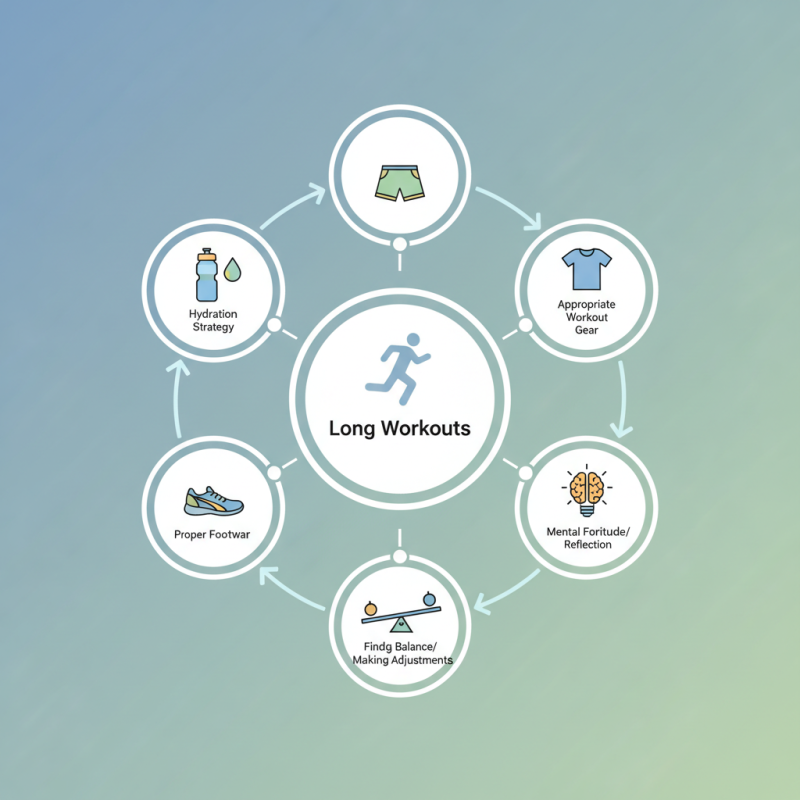
Consider your hydration strategy. Drinking enough water is crucial, yet many overlook this aspect. Wearing appropriate workout gear also plays a vital role. It can affect how your body regulates temperature, impacting your overall comfort. Even small details, like proper footwear, matter in the long run.
Embracing these aspects can be both enlightening and bittersweet. It reveals how easily we can neglect our own needs. Reflecting on your habits can lead to better choices in the future. Ultimately, the journey is about finding that balance and making adjustments.
Choosing the right clothing and footwear for long workouts is crucial for comfort. Breathable fabrics are essential. They wick moisture away, keeping you dry. Look for materials like polyester or merino wool. Cotton, while soft, retains sweat. This can lead to chafing or discomfort. Compression clothing is another option. It supports muscles during extended physical activity but may feel restrictive.
Footwear matters just as much. Select shoes designed for your specific workout. Running shoes have cushioning and arch support. Cross-training shoes offer stability for various movements. An ill-fitting shoe can cause blisters and pain. Remember to replace old shoes regularly, as they lose support over time. Consider using moisture-wicking socks to prevent rubbing.
An important detail often overlooked is fit. Clothing should allow a full range of motion. However, overly loose clothing can also hinder performance. Reflect on what feels best. You may need to try different options to find the right balance. Adjustments to your outfit can have a big impact on your overall comfort during long workouts.
Proper hydration is crucial for comfort during long workouts. Research shows that dehydration can impair physical performance. According to the American College of Sports Medicine, individuals can lose up to 2% of their body weight through sweating. This level of dehydration can significantly affect endurance and strength. Therefore, staying hydrated is essential for maintaining energy levels and preventing fatigue.
Drinking water is important, but electrolytes play a vital role too. Electrolytes like sodium and potassium help regulate fluid balance in the body. During extended physical activity, significant electrolyte loss can occur. A study published in the Journal of Athletic Training found that consuming beverages containing both carbohydrates and electrolytes can enhance hydration. This combination can improve exercise performance, particularly in endurance sports.
Timing your hydration is just as important as the type of fluids consumed. Sipping water at regular intervals can help maintain hydration levels. On average, athletes should aim for 0.4 to 0.8 liters per hour, depending on the intensity and duration of the workout. A common mistake is to wait until feeling thirsty before drinking. Thirst may indicate that dehydration has already set in. It’s crucial to establish a hydration routine for effective long-term comfort during workouts.
During long workouts, effective nutrition is essential for maintaining energy and preventing fatigue. Research indicates that athletes can experience a decline in performance after just two hours of exercise without proper nutrition. This highlights the importance of fueling your body correctly.
Consuming carbohydrates during extended training can delay fatigue significantly. Studies suggest that ingesting 30-60 grams of carbohydrates per hour can sustain energy levels. This can be achieved through energy gels, bananas, or sports drinks. Hydration is equally vital. Dehydration by just 2% can impair performance, increasing fatigue and diminishing focus.
Listening to your body is crucial. Not everyone requires the same amount of fuel. Some may find that they over-rely on quick energy sources. It's important to reflect on your individual needs. This varies depending on workout intensity and duration. Tailoring your nutrition strategy to fit your own experience can be immensely beneficial. Aim for balance and adjust as necessary.
| Nutrient | Recommended Intake | Sources | Benefits for Endurance |
|---|---|---|---|
| Carbohydrates | 6-10 g/kg of body weight | Oats, bananas, rice | Primary energy source during prolonged exercise |
| Proteins | 1.2-2.0 g/kg of body weight | Chicken, fish, legumes | Repairs muscles and supports recovery |
| Fats | 20-35% of total caloric intake | Avocados, nuts, olive oil | Long-lasting energy source |
| Electrolytes | Varies based on sweat loss | Bananas, coconut water, sports drinks | Prevents cramping and maintains hydration |
| Vitamins & Minerals | Adequate daily intake | Fruits, vegetables, whole grains | Supports overall health and recovery |
To stay comfortable during long workouts, it's vital to focus on
mindset
and
breathing techniques.
Your mental state plays a crucial role in
endurance. When fatigue sets in,
negative thoughts can creep in easily. Addressing these thoughts is essential.
Acknowledge them without judgment, then shift your focus back to your breath.
This practice can help maintain
motivation and
energy.
Breathing deeply and rhythmically is equally important. Inhale through your nose,
filling your lungs, then exhale slowly through your mouth. This technique can
enhance oxygen flow. Try to sync your breathing with your movements. For example,
inhale for
two steps and exhale for
four. This helps regulate your pace
and keeps your mind engaged.
Tips for maintaining a positive mindset include setting
small goals
throughout your workout. Celebrate each accomplishment.
Reflect on what pushed you through tough moments. Use this insight to build
mental resilience for future challenges.
Remember, the journey to endurance is
gradual, and it's okay to have
off days. Embrace the learning process as part of
your growth.
After an intense workout, recovery is crucial. Muscle soreness and fatigue can linger if not addressed properly. Effective recovery practices are essential for those who engage in long workouts. One commonly overlooked method is hydration. Drinking enough water helps reduce muscle cramps and aids in nutrient transport. Consider adding electrolyte-rich drinks to replenish lost minerals.
Stretching is another vital practice for post-workout recovery. Gentle stretching can improve flexibility and reduce tightness. Focus on the major muscle groups used during your workout. Holding stretches for at least 20 seconds can be beneficial. Don't rush this part; take the time to listen to your body. Pay attention to areas that feel tight or sore.
Finally, rest and sleep play a critical role in recovery. Quality sleep helps repair muscles and replenish energy. It's easy to underestimate the importance of a good night’s sleep. Aim for 7-9 hours of restful sleep to enhance recovery. Reflect on your current routine and make adjustments where necessary. Recovery is just as important as the workout itself. Neglecting it can lead to prolonged discomfort and hinder progress.
: The right clothing ensures comfort and prevents issues like chafing. Breathable fabrics wick moisture away.
Polyester and merino wool are great choices. Cotton retains sweat and may cause discomfort during exercise.
Proper footwear offers support and cushioning. Ill-fitting shoes can lead to blisters and pain during workouts.
Old shoes lose support over time, which can lead to injury. Regular replacement is crucial for comfort and safety.
Staying hydrated prevents fatigue and helps maintain stamina. Dehydration can significantly impair physical abilities.
Regular sipping is essential. Aim for 0.4 to 0.8 liters per hour, adjusting based on workout intensity.
Electrolytes help with fluid balance. Losing them during workouts can affect performance significantly.
No. Waiting to feel thirsty may mean you're already dehydrated. Establish a hydration routine instead.
Clothing should allow movement but not be too loose. Trying different options can help find the right balance.
It supports muscles but can be restrictive. It’s essential to find what feels comfortable during long workouts.
Staying comfortable during long workouts is crucial for enhancing endurance and performance. To achieve this, essential clothing and footwear selection plays a significant role; breathable, moisture-wicking fabrics help regulate body temperature, while proper footwear supports your feet over extended periods. Hydration strategies are equally important; consuming water and electrolytes before, during, and after exercise prevents dehydration and maintains comfort.
Moreover, effective nutrition fuels your body, helping to prevent fatigue and sustain energy levels throughout the workout. Incorporating mindset and breathing techniques can enhance workout endurance by fostering a positive mental state and improving oxygen flow. Finally, recovery practices post-workout, such as stretching and hydration, relieve discomfort and prepare your body for the next session. Overall, understanding how to stay comfortable during long workouts is key to achieving personal fitness goals.

Reba Fashion