Exercise is an essential part of a healthy lifestyle, but discomfort can often hinder our progress. Knowing how to prevent discomfort during exercise can significantly enhance your experience. It allows you to focus on your goals rather than battling pain or other issues.
Understanding your body is crucial. Learn to listen to its signals. Discomfort can stem from various sources, including improper form, inadequate warm-ups, or even the wrong footwear. Each person's experience is unique, and what works for one may not work for another. Experimenting with different techniques can lead to better outcomes.
Building a balanced routine that incorporates proper rest, hydration, and nutrition is necessary. A well-rounded approach can enhance recovery and keep discomfort at bay. Regularly reassessing your methods can also reveal areas where improvement is needed. Embrace the journey of finding what works best for you.
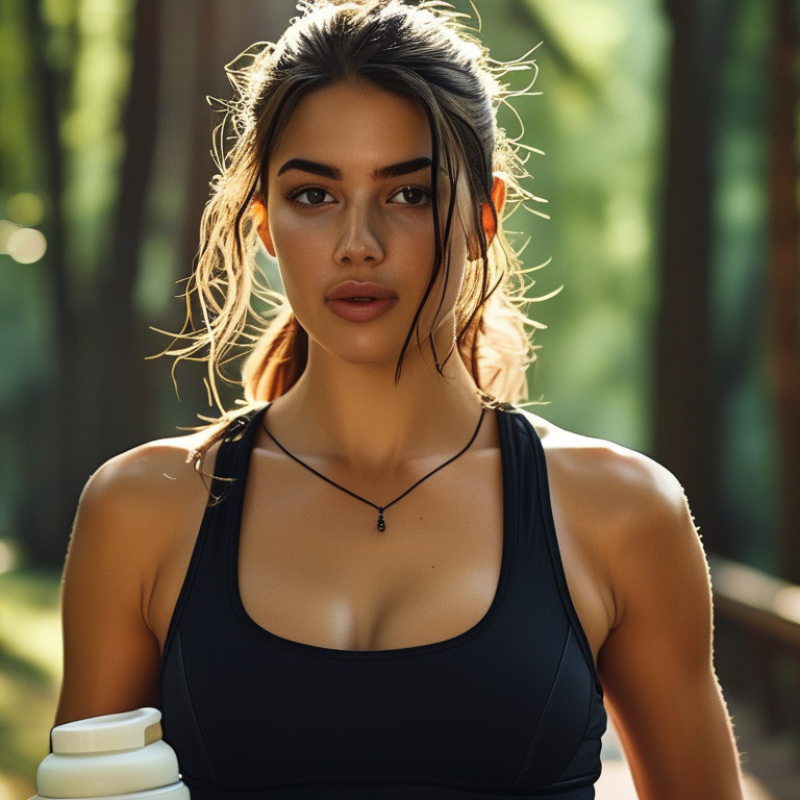
During exercise, many individuals experience discomforts that can hinder performance and enjoyment. Common issues include muscle soreness, joint pain, and shortness of breath. Muscle soreness often arises from unfamiliar workouts or excessive intensity. It’s crucial to recognize this as a normal response to physical stress. However, prolonged pain could indicate the need for recovery or a change in routine.
Joint pain is another significant discomfort. This often happens due to improper form or overtraining. Ensuring correct techniques reduces the risk of injury. Paying attention to body mechanics can create a safer and more effective workout experience. Shortness of breath may be alarming, especially for beginners. Learning to control breathing during exercise is essential. Gradually increasing intensity can help the body adapt to new challenges.
Listening to the body is vital in addressing these discomforts. Everyone has different limits. Reflecting on personal experiences can lead to better practices. Modifying workouts based on feedback can enhance comfort and performance. Explore gentle stretches or alternative exercises if discomfort persists. This self-awareness allows for a more enjoyable fitness journey.
| Discomfort Type | Description | Prevention Tips |
|---|---|---|
| Muscle Cramps | Involuntary and forcibly contracted muscles that do not relax. | Stay hydrated, stretch before and after exercise, and maintain electrolyte balance. |
| Joint Pain | Discomfort in areas where two or more bones meet. | Use proper form, warm up adequately, and consider low-impact activities. |
| Shortness of Breath | A sensation of difficult or labored breathing. | Practice breathing techniques, pace your exercise intensity, and ensure good ventilation. |
| Fatigue | A feeling of extreme tiredness resulting from physical exertion. | Get adequate rest, maintain a balanced diet, and gradually increase workout intensity. |
| Nausea | A feeling of sickness with an inclination to vomit. | Avoid eating large meals before workouts, stay hydrated, and listen to your body. |
: Muscle soreness, joint pain, and shortness of breath are common issues.
Recognize it as normal but take action if prolonged. Rest or adjust your routine for recovery.
Correct techniques help prevent joint pain and reduce injury risks during workouts.
Learn to control your breathing. Gradually increase workout intensity to adapt your body.
Warming up increases blood flow and flexibility, reducing injury risks during physical activity.
Skipping it can lead to soreness and prolonged tightness afterward.
Aim for 8-10 ounces at least before starting your workout.
Focus on carbohydrates and protein, but avoid heavy or greasy foods that may hinder performance.
Listen to your body and modify your routine based on discomfort feedback. Reflect on what feels right.
Drink water every 15 to 20 minutes during longer sessions to maintain hydration levels.
To understand how to prevent discomfort during exercise effectively, it is essential to recognize the common issues that may arise, such as muscle soreness, fatigue, or dehydration. Identifying personal limits and setting realistic goals for workouts can significantly enhance your exercise experience. Moreover, proper warm-up and cool-down routines play a crucial role in preparing your body for physical activity and aiding recovery afterward.
Choosing the right equipment and attire is vital for comfort during workouts, as unsuitable gear can lead to distractions or pain. Additionally, maintaining proper hydration and nutrition before, during, and after exercise can help mitigate discomfort and improve overall performance. By focusing on these key areas, individuals can enhance their exercise routines and enjoy a more comfortable and effective workout experience.

 Reba Fashion