Why Lightweight Clothing Matters for Sports Performances?

Time:2026-05-31 Author:Amelia
0%

In the world of sports, performance is crucial. Athletes continuously seek ways to enhance their abilities. One often overlooked element is clothing. Lightweight clothing plays a significant role in this arena. Understanding why lightweight clothing is important for sports can profoundly impact an athlete's efficiency and comfort.

Every fiber in athletic wear affects performance. Heavy fabrics can hinder movement and increase fatigue. In contrast, lightweight materials allow for better airflow and mobility. Additionally, they can help regulate body temperature during intense activities. Athletes often find themselves battling various conditions while competing. Equipment and clothing choices can either inhibit or support their efforts.

It's important to reflect on personal experiences with athletic clothing. Many athletes have worn heavy gear only to realize its drawbacks. Choosing the right clothing is not merely a matter of preference. It is a necessity for peak athletic performance. Thus, lightweight sportswear is not just a trend; it is a fundamental aspect of success in sports.
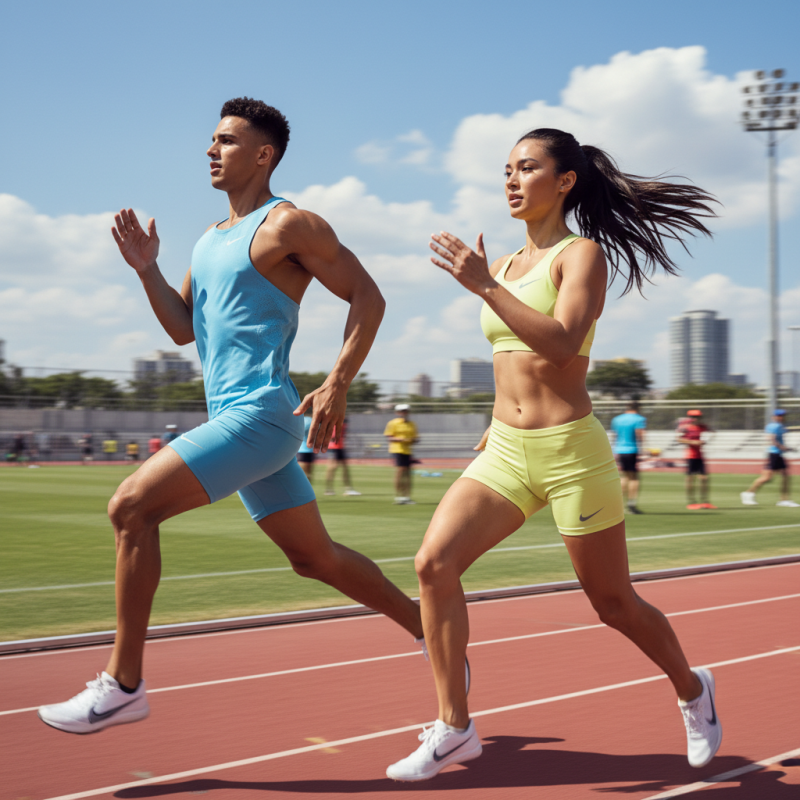
Why Lightweight Clothing Matters for Sports Performances?

Understanding the Importance of Lightweight Clothing in Sports

Lightweight clothing plays a crucial role in sports performance. Athletes require gear that doesn’t weigh them down. The right fabric promotes better movement and agility. When running or cycling, every ounce matters. Heavy clothing can slow you down, affecting your overall performance. Athletes often report feeling freer and more focused in lightweight gear.

Breathability is another key aspect. Lightweight materials allow sweat to evaporate quickly. This helps regulate body temperature during intense workouts. Athletes tend to overheat in heavier fabrics, leading to fatigue. Too much moisture can also cause discomfort and chafing. Choosing the right lightweight options can mitigate these issues effectively.

However, it’s essential to recognize that not all lightweight clothing is perfect. Some materials may lack durability or fail to provide sufficient coverage. Athletes need to find the right balance. Consider factors such as fit and function when selecting clothing. The goal is to enhance performance without sacrificing comfort or protection. Balancing these elements can be challenging but necessary for optimal athletic success.

Impact of Lightweight Clothing on Sports Performance

Lightweight clothing improves various aspects of sports performance, including speed, endurance, flexibility, comfort, and temperature regulation. The data illustrates the percentage of performance improvement associated with wearing lightweight clothing during sports activities.

The Science Behind Fabric Technology and Performance Enhancement

Lightweight clothing plays a significant role in sports performance. The right fabric technology can enhance athletes' capabilities. It can improve comfort and reduce fatigue, allowing for longer training sessions. Fabrics designed for breathability help regulate body temperature. This is crucial during intense workouts. When sweat evaporates quickly, it keeps athletes cool.

Advanced materials also offer support without heavy weight. Many synthetic fibers are engineered to wick moisture away. This means athletes stay dry and focused. However, not all lightweight fabrics are created equal. Some may lack durability or protection from UV rays. Athletes must choose wisely, weighing benefits and potential drawbacks.

Performance-enhancing clothing should fit snugly but comfortably. Loose garments may create drag. Yet, tight fabrics may restrict movement. The balance is delicate and requires personal testing. Every athlete's body responds differently. Ultimately, it’s not just about wearing something light. It’s about finding the perfect match between functionality and comfort for optimal performance.

How Lightweight Clothing Affects Movement and Agility

Lightweight clothing significantly impacts movement and agility in sports. Athletes rely on their ability to move quickly and efficiently. Heavy fabrics can cause discomfort and restrict motion. According to a study by the Journal of Sports Sciences, wearing lighter clothing can enhance performance by up to 10%. This is vital for competitive edge.

The design of lightweight clothing often incorporates breathable materials. This helps regulate body temperature during intense activities. A report from the International Journal of Sports Medicine states that optimal temperature control can improve endurance by an impressive margin. Athletes benefit from materials that wick moisture, allowing for better focus on performance rather than discomfort.

**Tips:** Choose fabrics that fit snugly but allow movement. Consider seamless designs to minimize chafing. Monitor how different clothing affects your agility in practice sessions; not all lightweight clothes are created equal, and some may hinder your movement. Applying these insights can lead to improved athletic performance.

Why Lightweight Clothing Matters for Sports Performances? - How Lightweight Clothing Affects Movement and Agility

Clothing Type Weight (g) Breathability (Rating 1-10) Flexibility (Rating 1-10) Movement Efficiency (Rating 1-10)
Running Tights 150 9 8 9
Lightweight Jacket 200 8 7 8
Shorts 100 10 9 10
Compression Shirt 120 7 9 9
Athletic Socks 50 9 8 9

Thermal Regulation: Keeping Cool Under Pressure

Lightweight clothing plays a crucial role in sports performance. When athletes wear lighter gear, they feel less constrained. The right fabric helps in thermal regulation, enabling body heat to dissipate more effectively. This is vital during intense workouts or competitions.

Thermal regulation is about managing body temperature. When exercising, the body generates heat. If it's trapped, athletes can overheat. Overheating leads to fatigue and reduced performance. A lightweight garment allows sweat to evaporate quickly. This process cools the skin and helps maintain comfort.

Many athletes experiment with different materials. Some prefer breathable fabrics, while others focus on moisture-wicking options. It's essential to find what works best for each individual. A trial-and-error approach is often necessary. Given the varying climate conditions, adaptability is key in maximizing performance. Each athlete must understand their body's needs.

Psychological Benefits of Wearing Lightweight Gear in Sports

Athletes often overlook the psychological impact of wearing lightweight clothing during competitions. Lightweight gear can significantly enhance a sportsperson’s mindset. The feeling of freedom that comes from light clothing helps athletes focus on their performance. This sense of weightlessness can boost confidence, making the competitor feel more agile and prepared.

When athletes wear heavy or cumbersome clothing, it can lead to a feeling of being bogged down. This feeling may cause self-doubt or anxiety. Lightweight clothing, on the other hand, can create a sense of empowerment. Athletes may visualize themselves moving effortlessly, which can translate into better performance. The right gear allows them to inhabit their bodies more fully, embracing every stride, jump, or turn.

However, some may feel overwhelmed by the pressure to always wear the latest lightweight styles. This pressure can detract from the joy of the sport. It’s essential to balance functionality with personal comfort. Each athlete must reflect on how their clothing choices affect their mindset and performance, finding what truly works for them in their unique sporting journey.

FAQS

: How does lightweight clothing affect athletic performance?

: Lightweight clothing can enhance performance by up to 10%, improving movement and agility.

Why is thermal regulation important in sports?

Effective thermal regulation prevents overheating during workouts, maintaining comfort and performance.

What materials are best for lightweight sports clothing?

Opt for breathable and moisture-wicking fabrics. They help keep you cool and focused.

How do psychological factors play a role in clothing choices?

Lightweight gear promotes confidence and a feeling of freedom, enhancing focus during competition.

Can heavy clothing negatively impact performance?

Yes, heavy fabrics can restrict movement, lead to discomfort, and potentially cause self-doubt.

How should athletes approach finding the right clothing?

Experiment with different materials. A trial-and-error approach can help find what suits individual needs.

What is the downside of lightweight clothing?

The pressure to wear trendy gear can detract from enjoying the sport and affect mindset.

How should one monitor clothing's impact on movement?

Pay attention to how different fabrics affect agility during practice; not all are beneficial.

What role does moisture-wicking play?

Moisture-wicking fabrics help sweat evaporate, cooling the skin and allowing for better performance.

Can personal comfort and functionality conflict in clothing choices?

Yes, finding a balance is crucial. Reflect on how clothing impacts mindset and overall performance.

Conclusion

Lightweight clothing is essential for enhancing sports performance, as it significantly impacts athletes' mobility and overall efficiency. By utilizing advanced fabric technologies, lightweight gear minimizes resistance and optimizes movement, allowing athletes to achieve greater agility during competition. Furthermore, the ability of these materials to regulate temperature is crucial; they help keep athletes cool under intense pressure, thus preventing overheating and maintaining peak performance levels.

In addition to the physical advantages, there are psychological benefits associated with wearing lightweight gear. Athletes often feel more confident and comfortable, which can positively influence their mindset during critical moments. In summary, understanding why lightweight clothing is important for sports allows athletes to harness these benefits, ultimately leading to improved performance and a more enjoyable sporting experience.

Amelia

Amelia

Amelia is a seasoned marketing professional with a wealth of expertise in our company’s core offerings. With an unwavering passion for driving growth and innovation, she plays a pivotal role in shaping our marketing strategies and enhancing brand visibility. A key aspect of her responsibilities......