How to Keep Stretch Clothing Elastic and Comfortable Always?

Time:2026-06-01 Author:Mason
0%

Stretch clothing is a staple in many wardrobes. It offers comfort and flexibility. However, maintaining these qualities can be challenging over time. Many people wonder how to maintain elasticity in stretch clothing. Renowned textile expert Dr. Emily Carter emphasizes, “The care of stretchy fabrics greatly impacts their durability and comfort.”

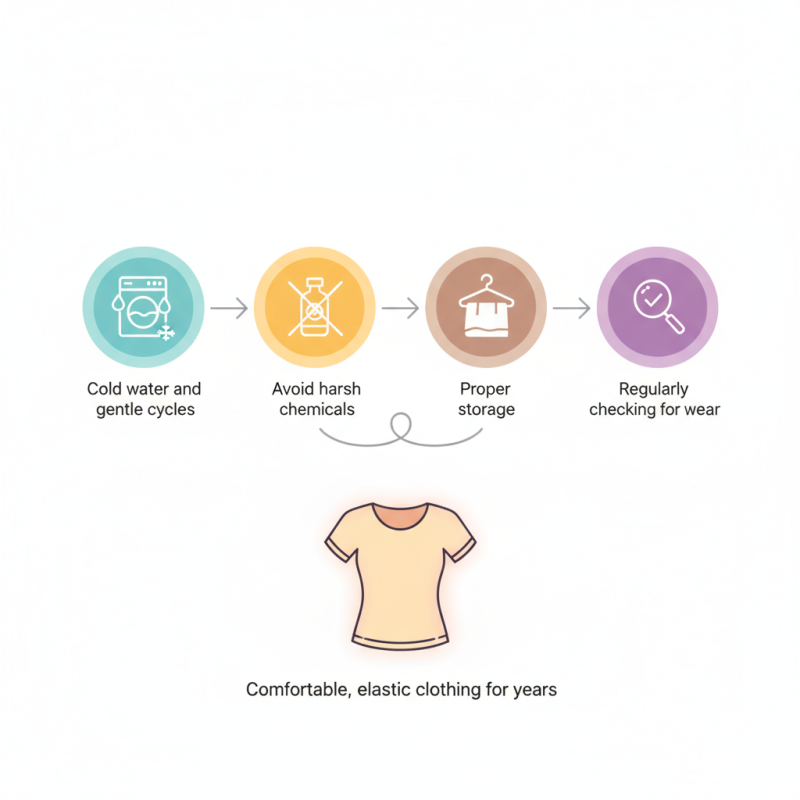
Caring for stretch fabrics involves more than just washing them. The right washing techniques can prevent wear and tear. For example, cold water and gentle cycles protect elastic fibers. Avoiding harsh chemicals can also prolong their life. Some may overlook these details, leading to discomfort in the long run.

Additionally, improper storage can damage clothes. Hang or fold them properly to avoid stretching out. Regularly checking for signs of wear is crucial for timely care. Reflecting on these practices can help you enjoy comfortable, elastic clothing for years.
How to Keep Stretch Clothing Elastic and Comfortable Always?

Understanding the Fabric Composition of Stretch Clothing

Understanding the fabric composition of stretch clothing is crucial for maintaining its elasticity and comfort. Stretch fabrics typically include materials like spandex, nylon, and polyester. These fibers provide flexibility and resilience, allowing the clothing to move with the body.

According to a report by Textile World, spandex can stretch up to five times its original size while returning to its shape. This quality is essential for activewear and form-fitting garments.

However, the way stretch fabrics are treated during manufacturing plays a pivotal role. Over time, factors like heat, moisture, and abrasive detergents can degrade the fibers. A 2021 survey by the National Retail Federation revealed that consumers often overlook care labels, leading to common mistakes. For instance, high temperatures in washing and drying can compromise the integrity of the fabric. Regular inspections for signs of wear can prevent further degradation and enhance the garment's lifespan.

Sustainability also affects fabric composition. Manufacturers now explore eco-friendly materials, balancing elasticity with environmental impact. Yet, these alternatives may not always provide the same durability as traditional fibers. Finding a perfect blend can be a challenge, and experimenting with different fabrics might lead to less-than-ideal combinations. Understanding these nuances is vital for making informed choices in stretch clothing.

Best Practices for Washing Stretch Fabrics to Maintain Elasticity

When it comes to stretch fabrics, washing methods can significantly impact their elasticity and comfort. It's essential to adopt best practices to ensure longevity. Many people overlook washing instructions, leading to premature wear. Using cold water instead of hot can help maintain the stretch in your clothes. Hot water may cause fibers to break down.

Tip: Always turn your stretch garments inside out before washing. This simple step reduces friction, which can lead to pilling and damage to the fabric surface. It’s easy to forget, but it makes a real difference in how your clothes look after several washes.

Avoid harsh detergents that can weaken elastic fibers. Gentle, eco-friendly detergents are preferable. They work effectively while being gentle on the fabric. Additionally, consider air drying instead of using a dryer. The heat from dryers can affect the elasticity of your stretch fabrics, leading to shrinkage or deformation over time.

Tip: If you must use a dryer, select a low heat setting to minimize damage. Remember, every choice impacts the wear and tear of your clothes. Being mindful of these practices can extend the life of your beloved stretch items.

How to Keep Stretch Clothing Elastic and Comfortable Always?

Drying Techniques That Preserve the Comfort of Stretch Clothing

Drying your stretch clothing properly is crucial for preserving its longevity and comfort. According to the Fabric Care Institute, improper drying can lead to a loss of elasticity in materials like spandex and elastane. These fabrics are designed to stretch but can lose their shape if exposed to excessive heat. It’s essential to avoid tumble drying and opt for air drying instead. Hanging your clothes in a shaded area allows them to dry slowly, maintaining the fibers' integrity.


Another key technique involves using a towel to absorb moisture before drying. This method reduces drying time while preventing overstretching. Simply lay your stretch garment flat on a clean, dry towel and roll it up. This technique retains the garment’s fit and comfort. According to studies by textile experts, air-drying garments in this way can extend their lifespan by as much as 30%.


Additionally, be cautious of hangers that could stretch your fabric. Thin, padded hangers are preferable, as they support the garment without adding unnecessary tension. Reflecting on previous laundry habits might reveal areas for improvement. If clothes frequently lose their shape, it might be time to adjust drying techniques. A few mindful changes can make a significant difference in the comfort levels of your favorite stretch clothing.

Storage Tips for Keeping Stretch Clothing in Optimal Condition

Proper storage of stretch clothing is crucial for maintaining its elasticity and comfort. Here are some helpful tips to keep your favorite pieces in top shape.

Start by avoiding hanger storage for stretchy items. Hangers can distort the fabric over time. Instead, fold your garments neatly to prevent stretching out the fibers. Consider using a breathable garment bag for seasonal clothing. This protects them from dust while allowing air circulation.

When it comes to temperature, choose a cool, dry place. High humidity can damage elastic materials. A drawer or a shelf in your wardrobe is ideal. Avoid direct sunlight, as it can cause fading and fabric degradation.

Regularly check the condition of your clothing. Look for signs of wear or deformation. If something doesn’t fit as well, reevaluate its storage conditions. This reflection can help prolong the lifespan of your stretchy favorites. Always treat your clothes with care.

How to Keep Stretch Clothing Elastic and Comfortable Always? - Storage Tips for Keeping Stretch Clothing in Optimal Condition

Tip Description Frequency Impact on Fabric
Store Flat Lay stretch clothing flat instead of hanging to avoid distortion. Always Prevents loss of elasticity and shape.
Avoid Direct Sunlight Keep stretch clothing out of direct sunlight to prevent fading and damage. Always Maintains color and fabric integrity.
Wash with Care Use a gentle cycle and cold water to wash stretch materials. After every use Reduces wear and tear, extends life of fabric.
Use Fabric Conditioner Add fabric conditioner during washing to keep fibers soft. Regularly Enhances comfort and elasticity.
Avoid Heat Do not use high heat when drying or ironing stretch clothing. Always Prevents shrinkage and damage to elasticity.

Identifying Signs of Wear and Tear in Stretch Fabrics

Stretch fabrics are popular for their comfort and fit, but they can show signs of wear over time. Identifying these signs early can help maintain their elasticity and comfort. One common issue is pilling. Tiny balls of fabric appear and can make clothes feel rough. Regularly check areas like the underarms and thighs, where friction is high.

Another sign of wear is fading. Color loss often indicates that the fabric's elasticity is also compromised. If your favorite leggings look dull, it might be time to reconsider their lifespan. Stretch marks on the fabric, visible when pulled, suggest it has overstretched. These areas may lose their original shape and support.

Tips: Always wash stretch clothing in cold water. Avoid the dryer; air drying is gentler. Use a fabric saver to extend the life of your clothes. Rotate your favorites—this reduces wear on any single piece. Regularly inspect seams for signs of fraying. Address issues early to prolong the enjoyment of your stretch garments.

FAQS

: How should I dry my stretch clothing?

: Air dry your stretch clothing. Avoid tumble drying to maintain elasticity and shape.

What technique can help reduce drying time?

Use a towel to absorb moisture. Lay the garment flat on a towel, roll it up, and dry.

Is it better to use hangers for stretch clothing?

No, avoid hangers. Instead, fold your garments to prevent stretching and distortion over time.

Where should I store my stretch clothes?

Keep them in a cool, dry place. A drawer is best to avoid humidity and direct sunlight.

How can I tell if my stretch fabric is worn out?

Look for pilling, fading colors, and visible stretch marks. These may indicate reduced elasticity.

Why is it essential to reflect on my laundry habits?

Reflecting can reveal areas for improvement and help maintain the longevity of your favorite garments.

How can I protect seasonal stretch clothing?

Use a breathable garment bag. This keeps dust away while allowing for necessary air circulation.

Should I wash my stretch clothing in hot water?

No, always wash in cold water to protect the elasticity and overall fabric integrity.

What can help extend the life of my stretch clothes?

Rotate your favorite items regularly. This reduces wear and allows each garment to rest.

How can I maintain the fit of my stretch garments?

Treat them with care, avoid excessive heat, and regularly check for signs of wear or deformation.

Conclusion

To ensure that stretch clothing remains both elastic and comfortable, understanding the fabric composition is crucial. Different materials react differently to washing and drying processes. Therefore, best practices for washing stretch fabrics include using cold water and gentle cycles, avoiding harsh detergents that can degrade elasticity. Additionally, employing proper drying techniques—like air drying or using low heat settings—can significantly preserve the comfort and fit of your garments.

Storage also plays a vital role in maintaining the quality of stretch clothing. It’s best to store these items in a cool, dry place, avoiding cramped spaces that can cause unwanted creasing. Regularly checking for signs of wear and tear, such as stretched seams or loss of shape, will help in identifying when it's time to replace or repair your favorite pieces. By following these guidelines on how to maintain elasticity in stretch clothing, you can prolong the life and comfort of your wardrobe.

Mason

Mason

Mason is a seasoned marketing professional with a deep expertise in the company's offerings and a passion for driving brand awareness. With a strong background in digital marketing strategies, he has an innate ability to connect with diverse audiences and effectively communicate product benefits.......