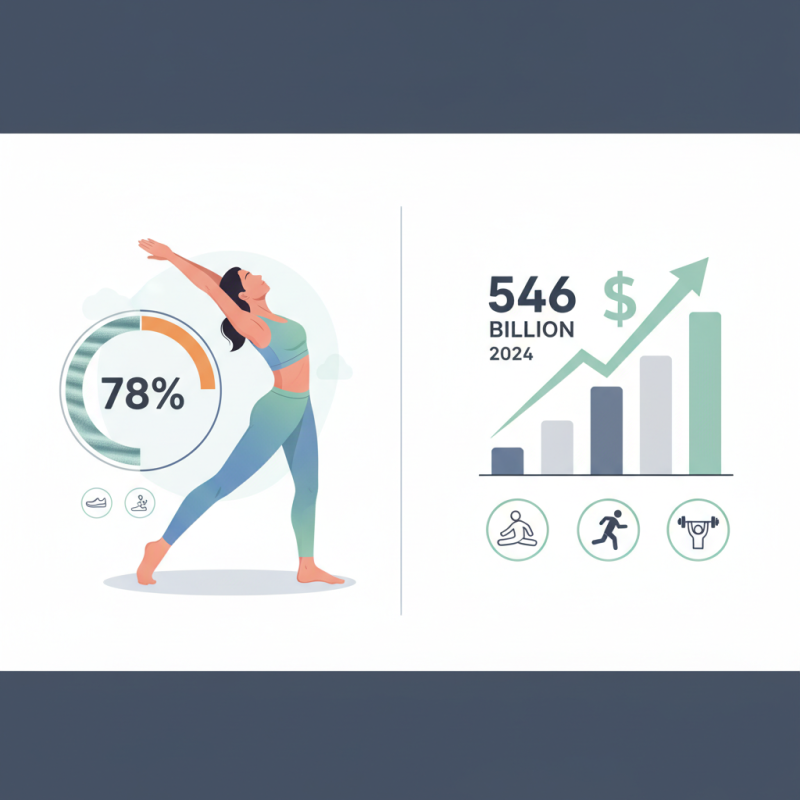
Comfort plays a vital role in everyday activewear choices. Research shows that 78% of activewear consumers prioritize comfort over style. This statistic underscores the need for brands to focus on how comfort enhances performance. Active individuals seek clothing that allows freedom of movement and breathability. As such, comfort is important in everyday activewear.
Furthermore, a report by Statista indicates that the global activewear market is projected to reach $546 billion by 2024. This growth highlights a shift towards prioritizing comfort and functionality. With wearers engaging in diverse activities, from yoga to running, effective fabrics and designs are essential. The materials should support both performance and comfort without sacrificing style.
Despite these insights, there are constant challenges. Many brands sometimes overlook the balance between comfort and design. It's important to reflect on how these choices affect consumer satisfaction and brand loyalty. Ultimately, embracing comfort in activewear is not just a trend but a necessity.
Comfort plays a pivotal role in selecting everyday activewear. When engaging in physical activities, the last thing you want is discomfort. Choosing fabrics that breathe and stretch is essential. Look for materials that wick moisture away from the body. This helps in maintaining comfort during workouts.
Tips for choosing the right activewear include checking the fit. Clothes should not be too tight or too loose. A proper fit allows for movement without restrictions. Pay attention to seams and tags. They can irritate skin during extended wear.
Another important aspect is the design’s impact on your routine. While style matters, prioritize how the activewear feels during use. Opt for features like adjustable waistbands or enough length in tops to prevent exposure during stretches. Reflect on your preferences and test pieces in simple activities before making a purchase.
| Activewear Type | Comfort Rating (1-10) | Breathability (Yes/No) | Flexibility (1-10) | Durability (1-10) |
|---|---|---|---|---|
| Yoga Pants | 9 | Yes | 8 | 7 |
| Running Shorts | 8 | Yes | 9 | 8 |
| Fitness Tops | 8 | Yes | 7 | 6 |
| Compression Leggings | 9 | Yes | 8 | 9 |
| Athletic Socks | 7 | Yes | 7 | 8 |
When selecting everyday activewear, comfort remains a top priority for many. It directly impacts how you feel during activities, whether running errands or hitting the gym. The fabric's breathability plays a critical role. Materials that wick away moisture help keep you dry, especially during intense workouts. Additionally, the right fit is essential. Activewear that is too tight or too loose can restrict movement and cause discomfort.
Another vital factor is the construction of the garment. Seams that rub against skin can lead to irritation. Flatlock seams are preferable as they reduce friction. Stretchability also contributes to comfort. Activewear that allows for a full range of motion can enhance performance. However, many consumers overlook just how important these details are. Sometimes, comfort and style can clash.
It’s important to invest time in finding the perfect pieces that cater to personal preferences. Everyday wear should not just look good; it must feel good too. Reflecting on fit preferences can guide better choices in the long run. While there is no one-size-fits-all solution, awareness of these key factors will lead to more satisfying activewear choices.
Material selection plays a vital role in determining comfort in activewear. Fabrics can make or break the experience. According to a recent report by the International Journal of Sports Science, breathable materials are preferred by 78% of activewear users. Fabrics like cotton, polyester, and spandex are common in activewear. Each has its benefits and drawbacks.
Cotton is soft but often absorbs moisture, leading to discomfort during workouts. On the other hand, polyester is lightweight and wicks away sweat effectively. A study showed that 65% of athletes prefer moisture-wicking fabrics for better comfort. Spandex increases elasticity, allowing for freedom of movement, but it often lacks breathability. Users may feel restricted if the fabric combination isn't balanced correctly.
Choosing the right fabric can be challenging. Consumers should not only focus on comfort but also on durability and care. For example, some performance fabrics require special washing to maintain their qualities. A survey revealed that 40% of users feel frustrated when their activewear loses shape after washing. Understanding these elements is crucial for making informed choices. Comfort is subjective, and it differs among individuals.
When choosing activewear, comfort takes precedence. A well-fitted design ensures ease and promotes good performance. According to a report by *Sports & Fitness Industry Association*, 75% of activewear shoppers prioritize comfort over style when making choices. This signifies a shift toward functional clothing that supports daily movements.
Fit is essential for comfort. Tight or loose garments can hinder performance and cause distractions. A study published in the *Journal of Sports Sciences* found that poorly fitting clothing can lead to decreased motivation. Hence, selecting the right size and design is crucial for optimal experience.
Tip: Always try on clothes before purchasing. Look for activewear with moisture-wicking and breathable fabrics. These features enhance your comfort and performance during workouts.
Design elements also contribute to comfort. Features like flat seams prevent chafing. Strategic ventilation promotes airflow, which aids temperature control. The right design can make or break your workout experience, so consider these aspects carefully.
Tip: Invest in versatile pieces. Choose activewear that can transition from gym to casual wear. This not only enhances your comfort but also maximizes your wardrobe efficiency.
Comfort plays a key role in choosing activewear. Different materials and designs greatly influence how a piece of clothing feels during workouts. For instance, fabric types can either enhance or hinder movement. Cotton may be soft, but it absorbs sweat and can feel heavy. In contrast, synthetic fabrics offer moisture-wicking properties, providing a dry feel, but some might trap heat.
Fit is another critical aspect. Activewear that is too tight can restrict movement, affecting performance. Looser fits may provide breathability but can also lead to chafing. Finding the right balance is essential. Many people experience discomfort when trying new styles. Reflecting on personal preferences and body types is crucial for making optimal choices.
Moreover, layering can impact comfort levels. For outdoor activities, choosing the right base layer is essential. It should offer both insulation and breathability. The outer layer needs to protect from wind and rain while allowing flexibility. Trying different combinations helps identify what works best. Ultimately, understanding these elements can lead to more enjoyable and effective workouts.
: Comfort is essential because discomfort can hinder physical activities. You want to feel at ease while exercising.
Look for breathable and moisture-wicking materials. Common fabrics include cotton, polyester, and spandex.
The right fabric can enhance your comfort. For example, polyester wicks sweat away effectively, promoting a better experience.
Ensure the fit is neither too tight nor too loose. It should allow for movement without feeling restrictive.
Consider adjustable waistbands and adequate top lengths. These features help prevent exposure during stretches.
Pay attention to seams and tags. Irritating elements can affect your comfort during extended wear.
Choosing the right fabric can be difficult. Prioritize comfort, durability, and care instructions.
Some performance fabrics need specific care to maintain their qualities. Ignoring this can lead to frustration.
Comfort is subjective and varies from person to person. Reflect on your preferences when choosing activewear.
While style matters, comfort should be prioritized. The way activewear feels during use is crucial.
When considering everyday activewear, understanding why comfort is important in everyday activewear is essential for making the right choices. Comfort significantly impacts performance, motivation, and overall enjoyment while engaging in physical activities. Key factors influencing comfort include the selection of materials, fit, and design. Fabrics play a pivotal role, as options like moisture-wicking and breathable materials can enhance wearability. Additionally, the right fit ensures freedom of movement, preventing distractions during workouts.
Different types of activewear also exhibit varying levels of comfort, emphasizing the need for personal preference in selecting suitable items. By prioritizing comfort, individuals can enjoy a more fulfilling and productive experience in their active lifestyles. Ultimately, the connection between comfort and functionality makes it a crucial consideration for anyone looking to invest in their everyday activewear.

Reba Fashion