Breathable clothing plays a crucial role in enhancing exercise performance and comfort. Dr. Emily Chen, a leading sports scientist, emphasizes, “Breathable fabrics help regulate body temperature and improve overall workout efficiency.” This statement highlights why breathable clothing is important for exercise.
When exercising, the body produces heat and sweat. If clothing traps this heat, it creates discomfort. Breathable materials allow sweat to evaporate, keeping the skin cool. Proper ventilation can significantly affect endurance and stamina. Without it, wearers may feel fatigued quickly.
Choosing the right workout gear is essential. While fashionable options exist, they may not offer breathability. It’s critical to prioritize comfort and functionality. Many overlook this when selecting athletic wear, leading to reduced performance. Reflecting on personal choices can lead to better workout experiences. Breathable clothing is more than a trend; it’s a necessity for effective exercise.
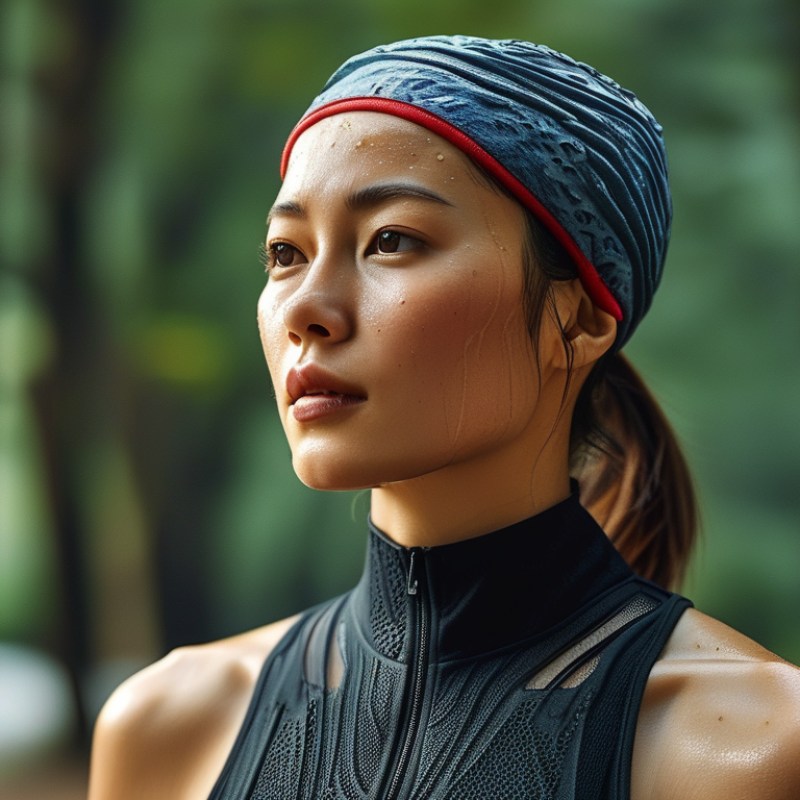
Breathable fabrics are essential for effective exercise. They allow sweat to evaporate, keeping your body cool. Fabrics like cotton can absorb moisture but may leave you feeling damp. Synthetic materials, on the other hand, offer better breathability. They wick away sweat, ensuring you stay dry.
Understanding the properties of these fabrics is crucial. Look for materials labeled as moisture-wicking. These fabrics pull moisture away from your skin, improving comfort. Mesh fabrics are also popular for their ventilation properties. They are lightweight and allow air circulation.
However, not all breathable clothing is created equal. Some might feel restrictive or cause chafing during workouts. Always test different fabrics to find what works best for you. It's important to reevaluate your choices regularly. The right breathable clothing can significantly enhance your workout experience. Consider how it feels when you exercise. Make adjustments as needed.
Moisture management in athletic gear significantly influences performance and comfort during exercise. Studies indicate that approximately 70% of athletes cite moisture control as a key factor in gear selection. When clothing retains moisture, it becomes heavy and uncomfortable, distracting athletes from their performance. Efficient moisture-wicking fabrics can help keep skin dry and reduce the risk of overheating.
Additionally, the right athletic wear can prevent skin irritation. Inactive moisture can foster bacterial growth and lead to unwanted rashes. Research shows that nearly 30% of athletes experience such skin issues due to improper gear. Breathable clothing reduces the buildup of sweat, lowering that risk substantially.
Yet, not all moisture management technologies are equal. Some fabrics may promise high performance, but lack durability or breathability. Athletes must be cautious in their choices. Evaluating materials and their genuine moisture-wicking ability is essential. Using unreliable gear may lead to discomfort and hinder athletic progress.
Breathable clothing plays a crucial role in enhancing exercise performance. Studies indicate that clothing made from moisture-wicking fabrics can reduce sweat accumulation by up to 30%. This reduction helps maintain a comfortable body temperature. When the body is cool, athletes can sustain performance longer. The right clothing allows for better airflow, helping the body regulate heat during intense workouts.
Moreover, a survey conducted by the National Athletic Trainers' Association found that 70% of athletes reported better endurance when wearing breathable gear. This highlights the importance of choosing the right materials. Breathable fabrics promote quicker drying times, preventing discomfort. When sweat dries rapidly, athletes feel lighter and more agile.
However, not all breathable clothing lives up to its promise. Some fabrics may wear out quickly, losing their ventilation properties. Athletes must consider not just the initial performance but the longevity of the gear. Investing in good quality clothing can enhance overall training efficacy, but awareness of fabric capabilities is essential as well.
Breathable clothing plays a crucial role in regulating body temperature during exercise. As we engage in physical activities, our body generates heat. The right apparel helps manage this heat. It allows sweat to evaporate, promoting cooling. This process protects us from overheating. Unfortunately, many people underestimate the importance of fabric choice.
Synthetic fabrics often trap heat and moisture. This can lead to discomfort and decreased performance. In contrast, breathable materials promote airflow. They can enhance our workout experience. Wearing lightweight, moisture-wicking clothing can keep us dry. We should pay attention to how fabric interacts with our body. Not all breathable clothing is equal, and some may not perform as expected.
It's essential to reflect on our choices. Sometimes we rely on popular styles over functional designs. This can impact our workouts negatively. Even experienced individuals can fall into this trap. Taking time to research and invest in suitable clothing can pay off. Comfort and effectiveness go hand in hand in achieving our fitness goals.
When it comes to exercise, choosing the right breathable apparel is crucial. The type of fabric can significantly impact performance. According to a report from the Journal of Sports Sciences, breathable materials can enhance thermoregulation, allowing athletes to maintain optimal body temperature. This is particularly important during high-intensity workouts or in warm climates.
For activities like running or cycling, moisture-wicking fabrics are essential. These materials pull sweat away from the skin, reducing the risk of chafing. A study by the American College of Sports Medicine found that staying dry can improve endurance by up to 25%. However, not all breathable clothing offers the same level of moisture control. It’s important to assess the fabric's properties when making your choice.
For yoga or weight training, a different kind of breathability is required. Stretchable fabrics that allow for a full range of motion are key. Cotton, while comfortable, may not be ideal due to its inability to wick moisture. However, blends that include spandex or polyester can balance comfort and effective sweat management. Athletes should reflect on their specific needs and exercise environment to choose appropriately.
The chart below illustrates the relationship between different types of breathable clothing and their impact on exercise performance metrics such as temperature regulation, moisture wicking, and comfort during various physical activities.
: It impacts performance and comfort. Moisture retention makes clothes heavy and distracting.
It keeps skin dry and reduces overheating risks. This enhances focus during exercise.
Inactive moisture leads to bacterial growth, causing rashes. Breathable gear can minimize this risk.
Studies suggest a reduction of up to 30% in sweat accumulation. This helps maintain body temperature.
Yes, about 70% of athletes report improved endurance with breathable clothing.
Evaluate materials for durability and genuine moisture-wicking ability. Some claims may be misleading.
No, some fabrics may wear out quickly, losing their effectiveness and ventilation.
It's essential for sustained performance. Investing in quality materials is a wise choice.
Yes, it can lead to discomfort and hinder athletic progress.
Many overlook fabric capabilities, impacting their training outcome negatively.
Breathable clothing plays a crucial role in effective exercise by enhancing comfort and performance. Understanding breathable fabrics involves recognizing their ability to allow air circulation while wicking moisture away from the skin. This moisture management is essential, as it helps to keep athletes dry and comfortable, preventing overheating and promoting optimal performance.
Moreover, breathable clothing significantly impacts body temperature regulation during physical activities, making it easier for the body to maintain a stable temperature. When engaging in various sports, choosing the right breathable apparel is vital, as it can vary based on the type of activity and environmental conditions. Ultimately, knowing "why breathable clothing is important for exercise" helps individuals make informed choices that can lead to better workouts and overall athletic success.
Reba Fashion