How to Maintain Elasticity in Stretch Clothing?

Time:2026-10-05 Author:Aria
0%

Stretch clothing offers comfort, movement, and a close fit, but its elasticity can weaken quietly. Repeated heat, harsh detergents, and rough handling may damage elastic fibers before visible wear appears. Learning how to maintain elasticity in stretch clothing helps leggings, swimwear, sportswear, and compression garments keep their original shape longer.

Yvon Chouinard, Patagonia founder and an influential voice in durable clothing, once said, “The most environmentally friendly product is the one you already own.” His statement supports a practical idea: careful maintenance can delay replacement. Wash stretch garments in cool water with a mild detergent. Avoid chlorine bleach, fabric softener, and very hot washing cycles. These products can leave residue or weaken fibers. Turn garments inside out before washing. A mesh laundry bag can also reduce friction from zippers and rough fabrics.

Heat is often the quiet enemy. Air-dry clothing flat or hang it away from direct sunlight. Do not twist wet fabric aggressively. Press excess water gently with a clean towel. Store garments without crushing their waistband or elastic panels. Rotate frequently worn pieces, giving the fibers time to recover.

Small habits matter.

Still, no care routine works perfectly for every blend. Nylon, polyester, elastane, and recycled fibers respond differently. I have found that care labels sometimes simplify important details, especially for technical sportswear. That limitation deserves attention. Check the garment’s fiber content, inspect stretched seams, and replace items when recovery becomes poor. A careful routine cannot restore permanently damaged elasticity, but it can slow the decline and preserve comfort through many more wears.
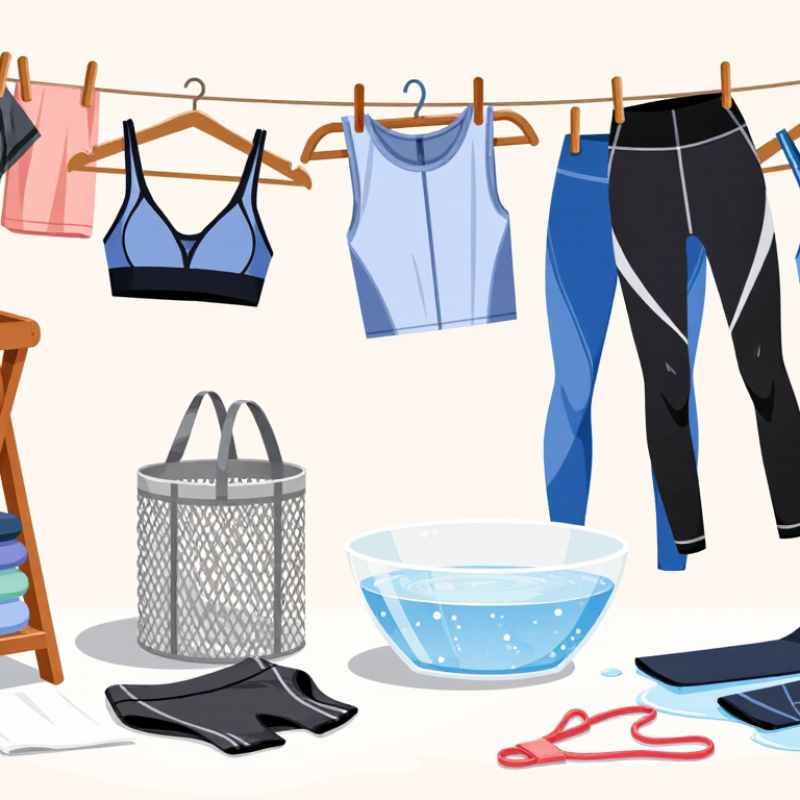
How to Maintain Elasticity in Stretch Clothing?

Understanding What Causes Stretch Clothing to Lose Elasticity

How to Maintain Elasticity in Stretch Clothing?

Stretch clothing loses elasticity when fibers are repeatedly pulled, heated, or exposed to harsh chemicals. High temperatures can weaken elastane and make waistbands feel loose. Hot dryers are common causes. Strong detergents may also damage flexible fibers over time.

Sweat, body oils, sunscreen, and chlorine can collect inside the fabric. These substances may reduce recovery, especially in swimwear and activewear. Frequent stretching during movement adds stress to the same areas. Waistbands, knees, and shoulder seams often show damage first. In garment care testing, washing with cool water helps preserve shape. Air drying is safer than using high heat. However, I still occasionally use a dryer when time is limited. That choice probably shortens the garment’s useful life.

Tips: Wash stretch clothing inside out. Use a mild detergent and avoid bleach. Do not twist wet fabric aggressively. Press water out with a clean towel instead. Dry garments flat or hang them away from direct sunlight. Rotate several pieces instead of wearing one item daily. Check care labels because fiber blends respond differently. A garment with faded fabric, thinning areas, or poor recovery may need replacement. Small changes help. Not every loss of elasticity can be reversed.

Choosing Washing Methods That Protect Fabric Stretch

How to Maintain Elasticity in Stretch Clothing?

Stretch clothing depends on flexible fibers that can weaken under heat, friction, and harsh chemicals. Washing habits matter more than many people expect. Check the care label before every wash, especially when a garment contains elastane or similar fibers. Use cool water and a mild liquid detergent. Hot water may feel effective, but repeated heat can reduce recovery and leave waistbands feeling loose.

Turn garments inside out before washing. This protects the outer surface from rubbing against zippers, buttons, and rough fabrics. Choose a gentle or delicate cycle, and place small items in a mesh laundry bag. Avoid bleach and strong stain removers unless the care label allows them. Fabric softener can leave a coating that affects moisture control and stretch. I once used too much detergent on workout clothing, and the fabric felt stiff afterward. That mistake was easy to overlook.

Tips: Skip the dryer when possible. Heat can damage elastic fibers quickly. Press out water gently instead of twisting the garment. Lay it flat on a clean towel, then reshape it while damp. Hanging heavy wet clothing may stretch the shoulders. Air drying takes longer, but it usually protects the original fit better. My own routine is not perfect; rushed laundry days still happen. Even so, cooler water and careful drying make a noticeable difference over time.

How to Maintain Elasticity in Stretch Clothing?

Choosing washing methods that help protect fabric stretch

Lower washing temperatures, gentle cycles, reduced spinning, and air drying generally expose elastane-containing fabrics to less heat and mechanical stress. To help preserve stretch and recovery, wash garments at a cool temperature, use a delicate cycle, avoid chlorine bleach, and keep them away from high-heat tumble drying.

Drying and Storing Stretch Garments Without Damage

How to Maintain Elasticity in Stretch Clothing?

Drying and storing stretch garments carefully can protect their shape and recovery. High heat weakens elastic fibers over time. After washing, press out water gently instead of twisting the garment. Pressing water works better.

Lay the item flat on a clean, dry towel. Reshape the waistband, cuffs, and seams while the fabric is damp. Keep it away from radiators, heated dryers, and strong sunlight. I once hung a wet stretch top by its shoulders, and the neckline stayed wider. That mistake taught me to support the whole garment during drying. A short spin cycle may remove excess water, but the care label should guide the setting.

Store completely dry clothing in a cool, ventilated drawer. Fold stretch leggings along their natural seams, rather than compressing them into a tight bundle. Avoid sharp clips, crowded hangers, and heavy clothing placed on top. For delicate athletic fabrics, a wide hanger can work when the garment is fully dry. However, folding is often safer for long-term storage. I used to believe that neat folding solved every problem. It does not; dampness trapped between layers can create odor and weaken fibers. Check the fabric occasionally, especially after humid weather, and refold items that have developed hard creases.

Managing Heat, Friction, and Chemicals During Wear

Stretch clothing keeps its shape when heat, friction, and chemicals stay under control. In my experience, a hot car can damage elasticity faster than ordinary wear. High temperatures weaken elastic fibers and may leave waistbands feeling loose. Remove tight garments soon after exercise. Body heat, sweat, and trapped moisture create a harsh environment.

Friction matters too. Repeated rubbing against rough benches, bags, or coarse towels can break surface fibers. I check the inner thighs, waistband, and shoulder straps after several wears. Small fuzzy patches are early warnings. A smoother base layer may reduce rubbing during long activity. Do not pull the garment aggressively when dressing. Ease it over the body with both hands.

Chemicals create another problem. Chlorine, sunscreen, body oils, and strong detergents can reduce stretch recovery over time. Rinse swimwear with cool water soon after use. Wash activewear gently, and avoid excessive detergent or fabric softener. Air-dry it away from radiators and direct, intense sunlight. I once ignored this and used a heated dryer; the fabric looked fine, but its recovery became noticeably weaker. That mistake still influences my care routine. Cold water is usually safer, although the care label remains the most reliable guide. Rotate garments when possible, because elastic needs time to recover between wears.

Restoring and Extending Elasticity Through Proper Care

Stretch clothing loses elasticity when heat, friction, body oils, and harsh detergents repeatedly stress its fibers. Textile Exchange’s 2024 Materials Market Report recorded approximately 132 million tonnes of global fiber production in 2023. Polyester represented about 57 percent, while elastane is often blended into performance fabrics. This scale makes careful maintenance more than a personal preference.

Start with restoration, not replacement. Soak the garment in cool water with a small amount of mild detergent for ten minutes. Press out water gently. Never twist it. Lay the fabric flat, then reshape the waistband, cuffs, or knees while damp. This can improve fit temporarily, but it cannot rebuild broken elastic fibers. I learned that the hard way. High heat may make a garment feel tighter after drying, yet it can weaken elastane and shorten its useful life. Use a low-temperature setting, or air-dry the garment away from direct sunlight.

Wash stretch clothing less often when possible. Airing it after light wear may reduce unnecessary cycles. A 2012 WRAP report, Valuing Our Clothes, estimated that extending clothing life by nine months could reduce carbon, water, and waste footprints by 20–30 percent. Store leggings and swimwear flat or loosely folded. Avoid sharp hangers and overloaded drawers. Inspect seams early. Small distortion is easier to manage than permanent sagging. Reconsider fabric softener, too; residue can affect moisture movement and surface feel, although its impact varies by fiber blend and formulation.

How to Maintain Elasticity in Stretch Clothing? - Restoring and Extending Elasticity Through Proper Care
Care Area Recommended Practice Why It Helps Elasticity Suggested Setting or Frequency Risk Level if Ignored Practical Result
Washing Temperature Wash stretch garments in cool or lukewarm water. Avoid hot water unless the care label specifically permits it. Excessive heat can accelerate the breakdown of elastic fibers and may cause the fabric to lose recovery. Use cold water or water below 30°C for routine washing. High Better shape retention and less permanent looseness.
Washing Method Choose a gentle cycle, place delicate items in a mesh laundry bag, and avoid overloading the washer. Reduced friction and pulling helps protect elastane fibers and fabric structure. Use a gentle or delicate cycle for leggings, swimwear, shapewear, and fitted activewear. Medium Fewer stretched seams, snags, and distorted panels.
Detergent Selection Use a mild liquid detergent and follow the recommended dosage. Avoid chlorine bleach and harsh stain removers. Strong chemicals can weaken synthetic fibers, damage coatings, and affect the flexibility of elastic components. Use only enough detergent to clean the load; rinse thoroughly. High Elastic components remain softer and more resilient over time.
Fabric Softener Skip fabric softener for performance stretch clothing, swimwear, and moisture-wicking garments. Softener residue can coat fibers, reduce moisture management, and interfere with the intended fabric finish. Do not use unless the garment care label explicitly recommends it. Medium Improved fabric performance and cleaner fiber surfaces.
Drying Air-dry flat or hang the garment in a shaded, well-ventilated area. Keep it away from radiators and strong direct sunlight. High dryer heat and prolonged ultraviolet exposure can weaken elastic fibers and cause premature loss of stretch recovery. Prefer air-drying after every wash; use low heat only when the label permits it. High Less shrinkage, brittleness, and loss of rebound.
Garment Position Do not hang heavy, wet stretch garments by thin shoulder straps. Lay them flat or use a wide, supportive hanger. Wet fabric is heavier, so concentrated pressure can permanently stretch straps, waistbands, and shoulder areas. Reshape the garment while damp and support it evenly during drying. Medium More even recovery across the garment.
Chlorine and Salt Exposure After swimming or heavy sweating, rinse the garment promptly with cool fresh water before washing. Chlorine, salt, body oils, and perspiration can remain on fibers and contribute to fabric and elastic deterioration. Rinse after every swim or intense workout; wash according to the care label. High Reduced odor, stiffness, fading, and premature loss of stretch.
Storage Store clean, completely dry garments folded in a cool, dry place. Avoid compressing them under heavy items. Long-term heat, moisture, and constant tension can contribute to odor, mildew, and gradual elastic fatigue. Fold fitted garments and rotate frequently worn pieces instead of keeping one item under constant strain. Medium Better long-term shape and a lower risk of permanent deformation.
Restoring Mild Loss of Shape Wash gently, reshape the garment while damp, and let it air-dry flat. Do not use an iron to force the fabric back into shape. Even moisture and careful reshaping can help the fabric return closer to its original dimensions when the fibers are not permanently damaged. Try after mild looseness is noticed; repeat only as needed. Low Some temporary looseness may improve without stressing the garment.
Severe Elastic Damage If elastic is brittle, cracked, exposed, or no longer recovers, repair or replace the affected elastic component. Care cannot fully restore elastic fibers that have chemically or mechanically deteriorated. Inspect waistbands, cuffs, straps, and compression panels when recovery remains poor after washing. High Reliable fit can be restored only through professional alteration or replacement.
Key principle: Always follow the garment’s care label first. Cool washing, gentle handling, low-heat or air-drying, prompt rinsing, and reduced tension are the most reliable ways to extend stretch recovery.

FAQS

How should I dry stretch garments without damaging them?

Press out water gently after washing. Never twist the garment. Lay it flat on a clean, dry towel. Reshape the waistband, cuffs, and seams while damp. Heat is risky.

Can I use a heated dryer for stretch clothing?

High heat can weaken elastic fibers and reduce shape recovery. Use a low-temperature setting only when the care label allows it. Air-drying is usually safer. My earlier dryer mistake proved this.

Why should wet stretch garments not hang by their shoulders?

Water makes fabric heavier and can stretch the neckline. Support the whole garment while it dries. A towel provides better support than a narrow hanger. Necklines remember mistakes.

How should I store leggings and other stretch garments?

Store them completely dry in a cool, ventilated drawer. Fold them along their natural seams. Avoid tight bundles, sharp clips, and heavy clothing on top. Loose folding works better.

What should I do if stored clothing smells damp?

Check the fabric after humid weather. Damp layers can create odor and weaken fibers. Refold the garment after it dries fully. A crowded drawer may be the real problem.

How do heat, sweat, and friction affect elasticity during wear?

Heat and trapped moisture can stress elastic fibers. Remove tight garments soon after exercise. Rubbing against rough benches, bags, or towels may create fuzzy patches. Inspect inner thighs and waistbands.

Which products can reduce stretch recovery?

Chlorine, sunscreen, body oils, strong detergents, and excess softener may affect recovery. Rinse swimwear with cool water soon after use. Wash activewear gently with modest detergent. The exact effect varies by fabric blend.

Can proper care restore lost elasticity?

Cool water and mild detergent may improve fit temporarily. Soak the garment for about ten minutes. Press out water, then reshape it flat. Broken elastic fibers cannot be rebuilt. That limit is easy to forget.

How often should stretch clothing be washed?

Air the garment after light wear when it is clean and dry. Fewer washing cycles may reduce unnecessary stress. Rotate garments when possible. Elastic needs recovery time.

What is the best way to extend a garment’s useful life?

Control heat, friction, moisture, and harsh chemicals. Inspect seams and waistbands before small distortions become permanent. Careful storage helps, but it cannot fix every problem. Some wear is simply wear.

Conclusion

Stretch clothing gradually loses elasticity when exposed to repeated tension, high heat, rough friction, harsh detergents, body oils, and prolonged pressure. Understanding these causes is the first step in learning how to maintain elasticity in stretch clothing. Wash garments with cool or lukewarm water, choose a gentle cycle, and use a mild detergent. Avoid strong bleach and fabric softeners that may weaken or coat elastic fibers. Hand washing can provide extra protection for delicate items, while placing garments in a mesh bag helps reduce rubbing.

After washing, reshape stretch garments and let them air-dry flat or hang them carefully away from direct heat and sunlight. Avoid tumble-drying at high temperatures, ironing elastic areas, or storing clothing tightly compressed. During wear, limit unnecessary pulling, abrasion, and contact with chemicals such as lotions or chlorine-based products. If elasticity begins to feel weak, gentle washing, proper reshaping, and reducing heat exposure may help the fabric recover some flexibility. Consistent care, alternating frequently worn items, and storing them in a cool, dry place can significantly extend their comfortable fit and useful life.

Aria

Aria

Aria is a dedicated marketing professional with a deep passion for innovative strategies and a keen understanding of our company's product offerings. With a wealth of experience in the industry, Aria excels at crafting engaging content that highlights the unique features and benefits of our......