Top Ways Clothing Technology Improves Athletic Performance

Time:2026-09-25 Author:Oliver
0%

Athletic clothing is more than a uniform. The right fabric can move sweat away from skin, reduce chafing, and help manage heat during hard efforts. As environmental physiologist Professor George Havenith puts it, “Clothing is the interface between the body and its environment.” That idea helps explain how clothing technology improves athletic performance: apparel can influence comfort, temperature, and freedom of movement, though it cannot replace training or good judgment.

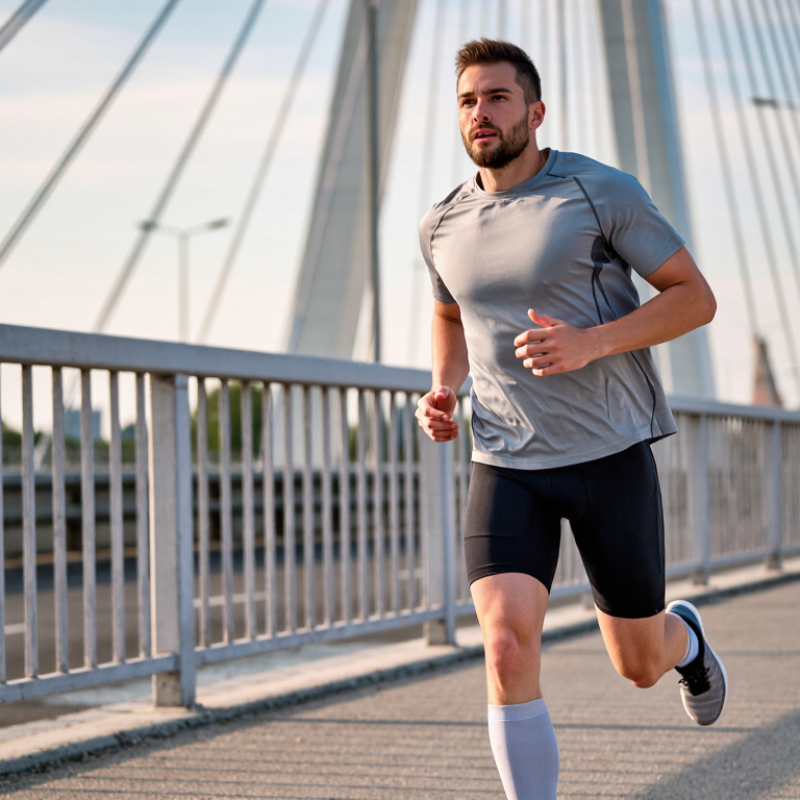
Consider a runner crossing a windy bridge. A breathable base layer, a light wind-resistant shell, and flat seams can make the miles feel more manageable. In team sports, stretch fabrics and carefully placed panels may support movement without adding unnecessary weight. Compression garments are also popular, but their effects vary; athletes should not expect them to deliver the same benefit for everyone. Fit matters. So does the weather.

This guide explores the materials and design choices behind modern performance wear, including moisture management, thermal regulation, compression, and smart textiles. It also looks at trade-offs. A water-resistant layer may feel clammy during intense exercise, while a tight garment may restrict some athletes. Technology can help, but it is not automatically better. Test clothing during training before relying on it in competition. Athletic apparel research is still evolving, and some marketing claims deserve a closer look.
Top Ways Clothing Technology Improves Athletic Performance

How Athletic Clothing Technology Has Evolved

Athletic clothing has moved from simple cotton layers to fabrics engineered around sweat, stretch, and temperature. Early performance garments mainly replaced heavy, sweat-soaked materials with lighter synthetics. Later, knit structures and body-mapped panels placed ventilation where heat builds, such as across the back and under the arms. Seams became flatter, reducing rubbing during repeated movement. Small changes. They can matter over a long run. The Textile Exchange 2024 Materials Market Report estimates that global fiber production reached 124 million tonnes in 2023, with polyester making up 57 percent. That scale helps explain why fiber innovation is central to sportswear development, though production volume alone does not prove better performance.

More recently, clothing has begun integrating sensors that track movement or physiological signals. The American College of Sports Medicine’s 2024 Worldwide Survey of Fitness Trends ranked wearable technology as the leading trend, reflecting rising interest in data-informed training. Some sensors are built into garments, bringing measurement closer to the body than a wrist device. Yet readings can shift with fit, sweat, and washing. Still, newer is not automatically better. A snug shirt may collect useful movement data, but it can feel restrictive when the weather changes. Fabric choices also involve trade-offs: quick drying may improve comfort, while durability and breathability depend on the specific construction. Progress is real, but the best garment is still the one an athlete can comfortably use, session after session.

Performance Fabrics and Their Functional Properties

Performance fabrics work by controlling heat, sweat, airflow, and friction close to the skin. Textile Exchange’s 2024 Materials Market Report estimated global fiber production at 124 million tonnes in 2023. Polyester made up 57% of that volume. This figure covers all uses, not just sportswear, but it shows why polyester is common in lightweight training garments. Its low moisture absorption can help fabric dry quickly, while knit structure and yarn shape influence how sweat spreads across the surface.

AATCC TM195 evaluates liquid moisture management, including absorption and one-way transport. That matters during intervals: a shirt that moves sweat outward may feel less clammy, but it cannot keep every athlete dry. Fit matters, too. Seams under a backpack strap or tight cuffs can still create rubbing and heat. For temperature testing, ISO 11092 measures thermal and water-vapour resistance under controlled conditions. Those lab results help compare fabrics, though real workouts add wind, changing effort, and uneven sweat. I would treat “moisture-wicking” as a testable feature, not a promise of comfort. A soft sample can feel excellent in a fitting room and still cling after a hard hill repeat.

Fit, Compression, and Support for Movement

Top Ways Clothing Technology Improves Athletic Performance

Fit is the starting point for effective athletic clothing. A close, adjustable fit reduces fabric movement around the shoulders, hips, and knees. This can help athletes move more efficiently during repeated drills. Poor sizing creates wrinkles, pressure points, and distractions. I have noticed this during training: a loose waistband can become more irritating than fatigue.

Compression adds controlled pressure around selected muscle groups. It may support body awareness and reduce uncomfortable muscle vibration during running or jumping. A 2022 review in Sports Medicine found that compression garments may reduce muscle soreness after exercise, although performance improvements remain inconsistent. The evidence is promising, not conclusive. Compression that feels restrictive can also limit comfort and natural movement.

Supportive panels can stabilize areas that absorb repeated force, such as the lower back, knees, and ankles. Their value depends on placement, fabric stretch, and the athlete’s movement pattern. The McKinsey Sporting Goods 2024 report describes continued growth in performance apparel demand, while Grand View Research estimated the global sports apparel market at approximately 248.9 billion dollars in 2023. Market growth does not prove better performance. It signals stronger demand for tested solutions. Athletes should still check fit while sprinting, bending, and sweating, not only while standing in a changing room. Some designs look technical but perform poorly under real movement.

Temperature and Moisture Management During Exercise

Temperature and moisture management can change how an athlete feels within minutes. During hard exercise, sweat must leave the skin and evaporate. If fabric traps moisture, a jersey can feel heavy, cling to the back, and slow cooling. ISO 11092 measures evaporative resistance in textiles, while the American College of Sports Medicine recommends evaluating clothing with exercise intensity, humidity, and airflow. Laboratory results matter. They are not the whole story.

NIOSH reports that workers in hot environments may sweat at rates approaching 1.4 liters per hour, although individual needs vary widely. Athletic clothing should therefore move moisture across a broad surface, not merely absorb it. Open-knit zones near the underarms and back can improve airflow. A dry inner layer also reduces rubbing around the shoulders and waist. Small details matter.

Fit still creates uncertainty. A very tight garment may reduce fabric movement and restrict ventilation. A loose one may hold humid air against the skin. Field testing should include repeated sprints, rest periods, and changing weather. A fabric that performs well on a treadmill can disappoint outdoors. I would measure body weight before and after training, but I would not treat that number as perfect. Hydration, food, and bathroom use can distort it. Clothing tests need real movement, not only clean laboratory conditions.

Smart Apparel for Training Feedback and Performance Tracking

Smart apparel turns movement into usable feedback. Conductive threads and small sensors can track heart rate, breathing, posture, or muscle activity while an athlete trains. A shirt that flags a rising heart rate during an easy run may prompt a slower pace before fatigue takes over. Useful, but not magic. Sensors can shift as fabric stretches, and sweat or a loose fit may distort readings.

The American College of Sports Medicine’s 2025 Worldwide Survey of Fitness Trends ranked wearable technology as the leading fitness trend. Grand View Research estimated the global smart clothing market at about US$2.15 billion in 2023, with projected annual growth of 26.2% from 2024 to 2030. These figures show growing interest, not proof that every garment improves results. Coaches should compare apparel readings with established measures, such as timed intervals and perceived effort, before changing a training plan. Check the fit. Review the trend, not one odd reading. Data can expose a pattern, but it can also distract an athlete from how their body feels. That tension deserves attention.

Top Ways Clothing Technology Improves Athletic Performance — Smart Apparel for Training Feedback and Performance Tracking

Common smart-apparel sensors, the data they can provide, and how athletes can use that information. Measurements and accuracy depend on garment fit, sensor design, movement, and calibration.
Smart Apparel Technology Data Measured Example Data Fields and Units Training Feedback Important Limitation
Textile heart-rate electrodes Electrical signals from the heart, from which heart rate may be estimated. Heart rate (beats per minute); heart-rate trend over time; recorded exercise duration (minutes). Helps athletes review time spent at different effort levels and compare cardiovascular response across workouts. Movement, poor skin contact, sweat, and garment fit can affect signal quality. Heart rate alone does not measure fitness or diagnose a medical condition.
Inertial sensors integrated into clothing Body movement and changes in motion, typically using accelerometers and gyroscopes. Acceleration (m/s²); angular velocity (degrees per second or radians per second); repetition count; movement time (seconds). Can help track repetitions, movement tempo, and changes in activity patterns during a session. Derived measures depend on sensor position and the algorithm used. A movement count does not by itself establish correct technique.
Stretch-sensitive fabric or strain sensors Changes in fabric stretch as the body moves. Relative stretch or strain (percentage); timing of movement phases (seconds); left-to-right movement comparison. May provide feedback on joint or torso movement patterns and help athletes monitor consistency during repeated exercises. Fabric stretch is not automatically the same as joint angle or muscle force. Interpretation requires suitable placement and calibration.
Pressure-sensing insoles or garment panels Pressure distribution at the instrumented contact area, such as under the foot. Pressure (kPa); contact duration (milliseconds or seconds); pressure distribution across sensor zones. Can help athletes examine foot-contact patterns and how loading changes across repeated steps or drills. Pressure at the sensors is not the same as total force unless the system is appropriately calibrated and analyzed. Sensor coverage is limited to instrumented areas.
Skin-temperature sensors in garments Temperature at or near the skin surface. Skin temperature (°C); temperature change over time (°C per minute); session duration (minutes). Can add context to training records and help athletes notice changes in skin-surface temperature during exercise. Skin temperature is not core body temperature. It is affected by airflow, moisture, ambient conditions, and sensor contact.
Moisture and sweat-responsive textiles Changes in moisture at the garment or skin interface; specialized systems may analyze selected sweat constituents. Relative moisture level; wetness change over time; selected analyte concentration (units depend on the sensor). Can help users understand garment moisture conditions and, where validated, review selected sweat-related measurements. Moisture is not a direct measure of hydration status. Sweat-based readings vary with sweat rate, sampling, and sensor validation.
Combined sensor garments Multiple signals recorded together, such as heart rate, movement, and temperature. Time-stamped sensor readings; session duration (minutes); movement counts; heart rate (beats per minute); skin temperature (°C). Combining signals can give athletes a broader view of how effort and movement change during a workout and across training sessions. More data does not guarantee better performance. Reliable interpretation requires consistent wear, good sensor contact, and appropriate context.

FAQS

Why are synthetic fibers common in lightweight training clothes?

They absorb little moisture, so garments can dry quickly. Global fiber production reached 124 million tonnes in 2023. Synthetic fibers formed a large share.

How does moisture-wicking fabric work?

It spreads sweat across the outer surface, helping evaporation. Knit structure and yarn shape affect this movement. It is not magic.

Can moisture-wicking clothing keep every athlete dry?

No. Sweat rate, humidity, airflow, and exercise intensity change results. A shirt may feel dry during walking but cling during hill repeats.

Why can a shirt feel heavy during hard exercise?

Trapped moisture can make fabric cling to the back and slow cooling. A broad, spread-out sweat area usually evaporates better than one wet patch.

How do fabric openings improve comfort?

Open-knit zones near the underarms and back can increase airflow. They may reduce humid, warm pockets against the skin. Small details matter.

Does garment fit affect temperature control?

Yes. Very tight clothing can restrict ventilation and fabric movement. Loose clothing may hold humid air against the skin. Neither fit is perfect.

Can laboratory fabric results predict outdoor workout comfort?

They help compare thermal and moisture resistance under controlled conditions. Outdoor workouts add wind, changing effort, and uneven sweating. A treadmill result can disappoint outside.

How can athletes test clothing during training?

Use repeated sprints, rest periods, and different weather conditions. Check rubbing near backpack straps, cuffs, shoulders, and the waist. Comfort needs real movement.

Can body-weight changes measure sweat loss accurately?

Weighing before and after training can provide a rough estimate. Hydration, food, bathroom use, and wet clothing can distort the result. Treat the number cautiously.

Conclusion

Clothing technology has evolved from basic workout wear into carefully engineered apparel designed to support athletic performance. Modern performance fabrics can be lightweight, stretchy, durable, and quick-drying, helping athletes move comfortably while managing sweat. Thoughtful fit, targeted compression, and supportive construction can reduce distractions, encourage freedom of movement, and help garments stay in place during demanding activities.

Temperature and moisture management are also important: breathable materials and strategic ventilation can help the body stay more comfortable as exercise intensity changes. Some smart apparel adds sensors that provide feedback on movement, effort, or training patterns, giving athletes useful information to guide practice and recovery. Together, these innovations show how clothing technology improves athletic performance by combining comfort, support, and practical insights. The best results come from choosing apparel suited to the activity, conditions, and individual needs rather than relying on any single feature.

Oliver

Oliver

Oliver is a seasoned marketing professional with a wealth of expertise in driving brand awareness and engagement. With a deep understanding of our company's product offerings, he consistently delivers high-quality content that enriches our professional blog. His insights not only shed light on......