How China Best Clothing Design Affects Body Movement begins with a practical question: can clothing support movement without losing cultural character? The answer depends on cut, fabric, seams, closures, and the body’s changing posture. A jacket may look elegant on a still model, yet restrict the shoulders when the wearer reaches for a train handle. A pair of trousers may appear perfectly fitted, but pull tightly across the hips while climbing stairs.
Susan M. Watkins, a respected clothing ergonomics scholar and author of Clothing: The Portable Environment, described clothing as “a portable environment.” This idea helps explain how clothing design affects body movement. Garments surround the body throughout the day. They regulate pressure, temperature, balance, and freedom of motion. In Chinese design, these effects can appear in many forms, from the side openings of a qipao to the relaxed volume of traditional robes and modern performance wear. Each choice changes how the body bends, rotates, walks, or sits.
Good design is not simply loose clothing. It is measured freedom. Pattern makers study arm elevation, knee flexion, stride length, and fabric recovery. They test garments during walking, stretching, cycling, and ordinary work. Small details matter. A gusset can ease the hip. A curved sleeve can reduce shoulder strain. A breathable textile can prevent damp fabric from clinging to the skin.
Still, no design works equally well for every body. That is the difficult part. More fitting trials are needed across ages, sizes, occupations, and mobility levels. This article examines those limits, while exploring how Chinese clothing design can make movement more natural, comfortable, and expressive.
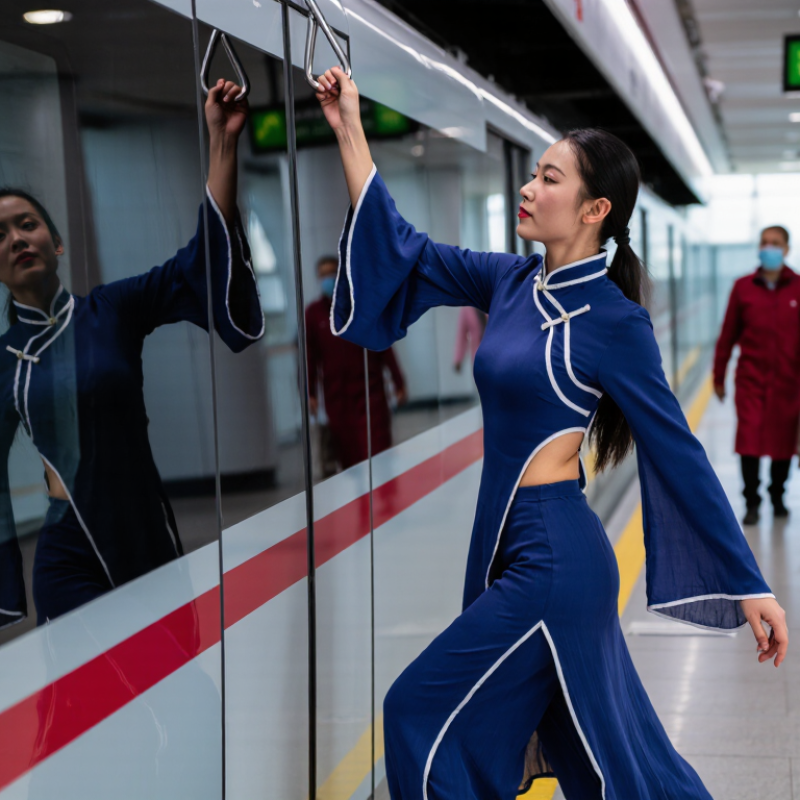
How China Best Clothing Design Affects Body Movement?
Chinese clothing design can be defined as clothing shaped by balance, proportion, function, and cultural meaning. Traditional references often use layered structures, wrap closures, generous sleeves, and controlled volume. These details influence how the body bends, walks, and reaches. Good design does not merely decorate the body. It negotiates with movement.
In fitting sessions, a practical test is simple: raise both arms, sit, and turn quickly. Tight armholes often restrict the shoulders. Heavy layers may create heat and pulling at the waist. Textile Exchange’s Materials Market Report 2024 reported that polyester represented about 57% of global fiber production in 2023. This figure matters because fiber choice affects breathability, weight, and recovery. Natural or blended materials may improve comfort, but the result depends on weave and finishing. Movement exposes weak design.
Tips: Measure the garment while moving, not only while standing. Leave functional ease around the shoulders, hips, and elbows. Place closures where hands can reach them easily. Test sleeve length with a raised arm. Small changes matter. Designers should also question familiar assumptions. A wide sleeve may look elegant but catch on furniture. A rigid collar may preserve shape but reduce neck movement. These compromises deserve honest testing. Reports provide useful evidence, yet real bodies remain diverse. A design that works in one fitting can fail during a long commute, a meal, or repeated daily wear.
| Design Dimension | Definition in Chinese Clothing Design | Movement-Related Design Feature | Effect on Body Movement | Practical Design Consideration | Typical Evaluation Indicator |
|---|---|---|---|---|---|
| Silhouette and Ease | The overall outline and the amount of additional space between the body and the garment. | Straight, A-line, or gently relaxed forms with controlled wearing ease. | Creates room for walking, sitting, bending, and changes in posture without excessive fabric drag. | Balance freedom of movement with the intended visual proportion; excessive volume can hinder movement and increase fabric weight. | Comfort during walking and sitting; absence of pulling across the shoulders, hips, and knees. |
| Cross-Front Closure | Overlapping front panels secured with ties, fasteners, or concealed closures. | Layered front construction that distributes tension across the torso rather than relying on one vertical opening. | Supports moderate torso rotation while helping the garment remain closed during ordinary movement. | Place ties where they do not compress the waist or interfere with breathing and bending. | Closure stability during arm raising, turning, and sitting. |
| Sleeve Architecture | The shape, length, and connection of the sleeve to the bodice or shoulder area. | Wide sleeves, dropped shoulders, gussets, or underarm panels that reduce strain at the armhole. | Improves arm elevation and forward reach compared with a tightly fitted armhole. | Control sleeve width and length so that added fabric does not obstruct tools, food preparation, or hand movement. | Range of motion during arm lifting, reaching, and elbow flexion. |
| Side Slits and Openings | Vertical openings placed along the side seams or lower garment panels. | Side vents that separate during stride or when the wearer sits. | Increases lower-body mobility by reducing resistance around the knees and thighs. | The opening height should match the garment’s purpose, modesty requirements, and required stride length. | Ease of walking, stair climbing, and sitting without hem restriction. |
| Layering System | The coordinated use of multiple garments or panels to create protection, structure, and visual depth. | Lightweight inner layers combined with flexible outer layers and adjustable closures. | Allows the wearer to adapt insulation and volume while preserving a functional base layer. | Avoid excessive thickness at the shoulders, waist, and elbows, where layers can restrict movement. | Comfort across seasonal layering; smooth movement without bunching or compression. |
| Fabric Drape and Weight | Drape describes how fabric falls; weight describes the mass carried by the garment. | Breathable, flexible textiles with enough drape to follow the body without becoming cumbersome. | Soft drape follows body motion, while excessive stiffness or weight can increase fatigue and limit speed. | Match fabric structure to activity level, climate, and the required degree of ceremonial formality. | Perceived comfort, garment swing, thermal comfort, and fatigue after extended wear. |
| Waist and Belt Placement | The position and tension of a sash, belt, or fitted waist detail. | Adjustable tying systems that define the waist without creating a rigid fixed waistband. | Permits minor changes in posture and body volume while reducing pressure during sitting and bending. | Use breathable contact areas and adjustable tension; avoid placing bulky knots over the spine or hip joints. | Pressure distribution, breathing comfort, and ease during seated posture. |
| Seam and Panel Direction | The placement and orientation of seams, gores, and fabric panels. | Panel lines arranged to support the shoulder, torso, hip, or knee during movement. | Helps control where tension accumulates and can guide the garment to move with the body. | Avoid seam intersections at high-flexion points such as the underarm, elbow, crotch, and back of the knee. | Reduced seam pressure and fewer visible strain lines during movement. |
| Hem Length and Balance | The vertical length, distribution, and stability of the garment’s lower edge. | A hem length selected according to footwear, stride, activity, and the presence of slits or overlapping panels. | A well-balanced hem reduces tripping risk and allows the garment to swing naturally during walking. | Check the hem while walking, climbing stairs, sitting, and turning rather than evaluating it only when standing still. | Stride clearance, hem stability, and safety during directional changes. |
| Ergonomic and Cultural Balance | The integration of functional comfort, visual symbolism, modesty, and historical design language. | Traditional forms adapted through fabric selection, adjustable details, strategic openings, and updated pattern engineering. | Maintains cultural character while allowing movement appropriate to contemporary daily activities. | Evaluate aesthetics and performance together; a visually authentic garment should also suit the wearer’s real activity and environment. | User satisfaction, task suitability, mobility, comfort, and preservation of recognizable design principles. |
Note: Movement performance varies with body shape, pattern fit, fabric properties, garment layering, and the wearer’s activity. The indicators above are practical design criteria rather than universal fixed measurements.
It balances proportion, function, movement, and cultural meaning. Layering, wrap closures, generous sleeves, and controlled volume are common references.
Tight armholes can restrict shoulder rotation. Heavy layers may pull at the waist. Good clothing negotiates with movement.
Raise both arms, sit down, turn quickly, and reach across a table. Movement reveals flaws. Test while wearing the garment.
Soft linen blends can bend comfortably and release heat. Dense silk may slide smoothly but resist sudden stretching. Cotton twill offers stability.
Lowered armholes can improve reach. Side vents support longer strides. Curved seams follow the torso without forcing one posture.
Yes. Wide sleeves may catch on furniture. Rigid collars can limit neck movement. Visual beauty needs practical testing.
Wrap closures, side vents, and articulated sleeves provide useful starting points. Gussets and shaped back panels can improve mobility.
Observe shoulder rotation, hip flexion, seated reach, waist pressure, and fabric recovery. A standing mirror misses some pulling lines.
No. They may reduce resource pressure, but breathability and durability still require testing. The result depends on weave and finishing.
No silhouette works universally. Bodies, climates, and routines differ. One fitting is not enough. Designers should remain open to revision.
Chinese clothing design offers valuable insights into how clothing design affects body movement by combining comfort, balance, and visual harmony. Its core principles often emphasize natural posture, functional looseness, layered construction, and a close relationship between clothing and the body. Historically, garments such as robes, tunics, and wrapped styles were developed to support walking, sitting, working, and ceremonial movement without excessive restriction. Their flowing silhouettes allowed the body to move freely while maintaining a refined appearance.
Fabric, cut, and structure all influence mobility. Lightweight materials can improve flexibility and breathability, while carefully placed seams, pleats, openings, and adjustable layers can reduce pressure around the shoulders, waist, and legs. Regional variations also demonstrate how climate, lifestyle, and local activities shape comfort and movement. Today, these ideas continue to inspire functional clothing through ergonomic patterns, adaptable layering, breathable textiles, and designs that support active daily use. Chinese design therefore connects tradition with modern practicality, showing that beauty and freedom of movement can be achieved together.

 Reba Fashion