In the rapidly evolving sports apparel industry in China, understanding what to look for in high-quality sports clothing is crucial. Industry expert Dr. James Lee, a renowned sportswear researcher, once said, “Quality materials and smart design are the cornerstones of effective sports clothing.” This insight underlines the need for athletes and consumers to be discerning when selecting their gear.
When evaluating sports clothing, fabric is a key component. High-quality materials such as moisture-wicking fabrics enhance performance by keeping athletes dry and comfortable. Durability is another vital aspect. High-quality gear should withstand rigorous use. An athlete's experience can dramatically improve with well-constructed clothing, but not all products meet these standards.
Moreover, the fit of the clothing matters greatly. Poorly fitting attire can hinder performance and even lead to injuries. Many fail to account for the importance of design elements, which can either support or restrict movement. It’s essential to reflect on these factors when making purchasing decisions, ensuring that the chosen sports apparel truly enhances performance and comfort.
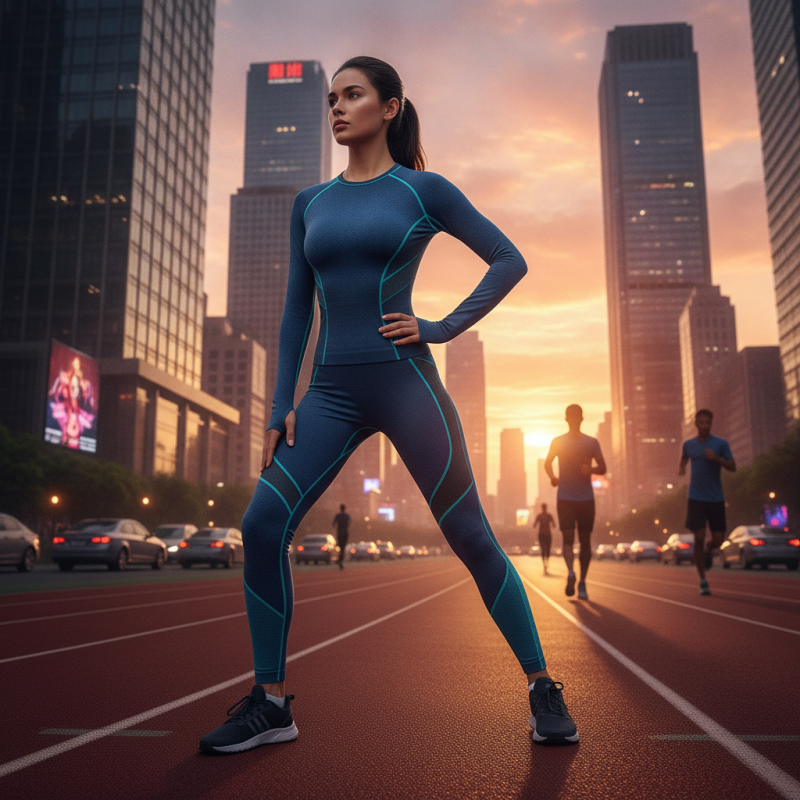
When considering high-quality sports clothing, the materials used play a crucial role. Different fabrics can significantly affect performance and comfort. Breathable materials like polyester and nylon are popular in sports fashion. They wick moisture away from the body, keeping athletes dry during workouts. Additionally, these fabrics are often lightweight, which adds to overall comfort during movement.
Another key material is spandex, known for its elasticity. This gives sports clothing a snug fit, allowing freedom of movement. Athletes appreciate how spandex blends with other fabrics. It enhances durability and stretchability, making the clothing last longer under rigorous conditions. However, not all spandex blends are equal. The quality of elasticity can vary, affecting overall performance.
Yet, there’s a balance to maintain. Some materials may feel great but can limit breathability. Athletes might find themselves overheating while performing. Quality sports clothing requires thoughtful fabric choices to prevent this. It’s essential to consider the activity type and environmental factors too. Navigating these options can be challenging but is crucial for achieving maximum performance.
When selecting high-quality sports clothing in China, design features play a crucial role in enhancing both performance and comfort. For instance, moisture-wicking fabrics are vital. These materials pull sweat away from the body, promoting faster evaporation. According to industry reports, 70% of athletes notice improved performance when wearing breathable fabrics. Lightweight and stretchable textiles also contribute significantly. They provide freedom of movement without restricting the body’s natural mechanics.
Another important aspect is the fit of the clothing. Tailored designs that contour to the body can reduce drag and improve aerodynamics. A poorly fitted garment can affect performance negatively. Studies suggest that athletes frequently express discomfort due to ill-fitting apparel, distracting them during competition. Investing in sports clothing with ergonomic cuts helps mitigate this issue.
Reflecting on color and visibility is also important. Bright colors improve safety for outdoor sports. Research indicates that visibility significantly reduces the risk of accidents. However, some athletes may still prefer darker shades for style reasons. Balancing aesthetics and functionality presents a challenge that requires thoughtful consideration. Ultimately, the goal is to create clothing that supports athletes while also catering to their individual preferences.
When choosing sports clothing, understanding sizing and fit is essential. Different body types require diverse fits to ensure comfort and performance. A well-fitted garment can enhance movement and reduce the risk of injury during workouts.
For example, those with broader shoulders may struggle with tight armholes, while those with a fuller midsection may need to look for styles that offer more room. Paying attention to these specifics helps in making informed choices. Try different cuts, such as tapered or relaxed fits, to see what suits your body the best.
Moreover, not all brands adhere to the same sizing charts. It's crucial to measure key areas before purchasing. Sometimes, an item seems perfect in one size but feels constrictive or loose in another. Reflecting on your personal measurements can prevent returns and ensure your sports clothes support your active lifestyle effectively.
In the rapidly growing sports clothing market in China, brand reputation plays a crucial role. A recent industry report indicated that over 70% of consumers consider brand reputation before making a purchase in this sector. This high percentage highlights the significance of trust and recognition in influencing buying decisions.
The factors contributing to brand reputation include quality, sustainability, and customer service. Research shows that 58% of consumers are willing to pay more for clothing from brands known for their sustainable practices. However, some brands struggle to maintain transparency regarding their production processes. This gap can lead to consumer skepticism and affect overall brand loyalty.
Moreover, the importance of social media in shaping brand perception cannot be overlooked. According to surveys, 65% of consumers actively seek reviews and opinions on platforms like Weibo before buying. However, many brands often overlook the need for consistent engagement with their audience. This inconsistency can damage a brand's credibility, making it essential for companies to refine their communication strategies. Addressing these challenges can ultimately enhance a brand's reputation and drive growth in the competitive sports clothing market in China.
Sustainable practices in sports clothing manufacturing are crucial in China. The textile industry, known for its environmental impact, is evolving. Brands now prioritize eco-friendly materials and innovative production techniques. Organic cotton and recycled polyester are gaining traction. These materials reduce waste and lower carbon footprints.
However, challenges remain. Many factories still rely on traditional methods that are harmful. Water pollution and high energy consumption are prevalent issues. Companies need to invest in cleaner technologies and responsible sourcing. Consumers should also demand transparency. Knowing where and how clothing is made is essential for making informed choices.
Attention to detail can lead to substantial changes. Implementing better waste management practices can significantly decrease environmental damage. Collaboration between brands, manufacturers, and consumers is vital. Sustainable sports clothing isn't only about fabrics; it encompasses the entire production process. Continuous improvement is necessary for lasting impact.
: Breathable fabrics like polyester and nylon are ideal. They keep athletes dry by wicking moisture away.
Spandex offers elasticity, ensuring a snug fit. It allows freedom of movement while enhancing durability.
Yes, some fabrics may feel good but can trap heat. This can lead to overheating during intense activities.
A well-fitted garment reduces drag and improves aerodynamics. Poor fit can distract athletes and lower performance.
Bright colors improve visibility and safety in outdoor sports. Athletes may prefer darker shades for style, creating a balance.
Companies are focusing on eco-friendly materials like organic cotton. However, challenges like pollution still exist.
Consumers should demand transparency about manufacturing practices. Knowing the production process helps in making informed choices.
No, the quality of materials can vary. Some blends of spandex may not perform well under rigorous conditions.
Traditional methods contribute to pollution and high energy use. Investing in cleaner technologies is crucial for sustainability.
By working together, brands, manufacturers, and consumers can drive change. Continuous improvement is essential for lasting impact.
When considering what to look for in high quality sports clothing, several key factors come into play. First, the choice of materials is crucial; high-quality fabrics, such as moisture-wicking and breathable textiles, significantly enhance athletic performance and comfort. Design features also play a vital role, incorporating elements that support movement and versatility, ensuring wearers can perform at their best during various activities.
Sizing and fit are equally important, with an understanding that different body types require tailored considerations to promote effective performance. Additionally, evaluating brand reputation within China's sports clothing market helps consumers make informed choices, as established brands often adhere to high standards of quality. Finally, interest in sustainable practices in sports clothing manufacturing is growing, reflecting a shift toward environmentally responsible production methods that promote both performance and ethical sourcing.

Reba Fashion