In the world of fitness, choosing the right clothing can greatly influence performance and comfort. Dr. Emily Chen, a renowned sportswear researcher, states, "Flexibility in fitness clothing allows for better movement and enhances workout performance." This highlights why flexibility is important in fitness clothing.
Trainers and athletes often experience discomfort when their clothing restricts motion. A tight fit can limit range of motion and lead to injuries. Instead, flexible fabrics allow for dynamic movement during workouts, enhancing overall performance.
Finding the right balance in fitness attire can be challenging. While some may prefer tighter styles for support, others need looser fits for breathability. Understanding personal needs is key. Flexibility in clothing choices not only caters to individual preferences but also supports varying activities, from yoga to high-intensity training.
Importance of Adaptability in Fitness Clothing Selection
Choosing the right fitness clothing is more than just a style decision. Flexibility in clothing selection plays a crucial role in overall performance. Different workouts demand different attire. For instance, yoga requires stretchy fabrics, while running may need moisture-wicking materials. Having a range of clothing options makes adapting to these varying needs easier.
Incorporating flexibility into your fitness wardrobe enhances comfort and motivation. When your clothing adapts to your movements, you can focus better on your routine. Additionally, choosing versatile pieces allows you to transition from the gym to everyday life seamlessly. This adaptability can be empowering. It promotes a mindset of readiness and resilience, embracing the ups and downs of fitness journeys.
However, the challenge comes when we consider what fits best. Not every piece will serve well for every activity. Finding that perfect balance can be daunting. It’s vital to reflect on your personal style and workout preferences. There are moments of uncertainty and trial, but these experiences shape our understanding of what we truly need. The vibrant and dynamic world of fitness attire teaches us about both our bodies and our choices.
Key Features of Flexible Fitness Attire
When choosing fitness clothing, flexibility is paramount. It allows for a full range of motion during workouts. This is crucial for activities like yoga, weightlifting, or running. Flexible attire adapts to body movements, enhancing performance and comfort. Materials like spandex and nylon provide the stretch needed for various exercises.
Comfort is not just about feel; it impacts motivation. If your clothes restrict movement, it can be discouraging. Look for pieces that offer breathability. Light fabrics keep you cool and dry during intense workouts. Additionally, consider the fit. Items that hug the body without being tight can boost confidence while exercising.
Tips: Always try items before purchasing. Bend, stretch, and perform light movements in the fitting room. A good fit should feel like a second skin. Don't hesitate to invest a little more in high-quality, flexible materials. They often last longer and provide better support. Flexibility in your fitness wardrobe leads to better workout experiences. Reflect on how your clothing affects your performance; adjustments may be necessary.
Impact of Flexibility on Performance and Comfort
Flexibility in fitness clothing is not just about style; it significantly impacts performance and comfort. When exercising, the right attire allows for a full range of motion. This is crucial in activities like yoga or weightlifting. A tight fit can restrict movements, leading to injury. Comfort is pivotal, as discomfort can impede focus.
Dealing with chafing or constriction can distract from workouts. It's vital to choose materials that stretch. Breathable fabrics can further enhance comfort during intense sessions. Layering can also be beneficial. Wearing flexible layers allows adjustments based on activity intensity and weather.
However, not every option might be ideal for every individual. Personal preference plays a significant role here. Some may feel uncomfortable in certain fabrics. It's essential to test various materials and fits. Reflecting on these experiences can guide future choices. Ultimately, embracing flexibility in fitness clothing can transform your workout experience.
Choosing Versatile Fabrics for Different Activities
When it comes to fitness clothing, versatility is key. The right fabric can make all the difference. Choose materials that can adapt to various activities. Breathable fabrics are great for workouts, while moisture-wicking options keep you dry during intense sessions. Stretchy materials allow for freedom of movement, essential for yoga or weightlifting.
Consider layering your outfits. Lightweight tops work well with heavier outerwear. This way, you can adjust to temperature changes easily. Look for clothing that combines style with functionality. This balance is important. You want to feel good while working out and running errands.
**Tips:**
Test fabrics in different conditions. How do they perform when you sweat? Do they stay breathable during a run? Check for durability. Some fabrics may lose shape over time. Reflect on your daily activities. What do you need in your wardrobe to transition smoothly?
Versatile activewear should fit your lifestyle. Think about where you’ll wear these clothes. Some outfits may look great but lack practicality. Always prioritize comfort and flexibility over fashion alone. This will help you stay motivated and engaged in your fitness journey.
Why Flexibility is Essential in Fitness Clothing Choices? - Choosing Versatile Fabrics for Different Activities
| Fabric Type |
Key Features |
Best Activities |
Breathability Rating |
Stretchability Rating |
| Polyester Blend |
Moisture-wicking, lightweight |
Running, Yoga |
High |
Medium |
| Nylon |
Durable, quick-drying |
Swimming, Cycling |
Medium |
High |
| Cotton-Spandex |
Soft, comfortable |
Casual wear, Pilates |
Low |
Medium |
| Lycra |
Flexible, supportive |
High-intensity workouts |
Medium |
Very High |
| Bamboo Fabric |
Eco-friendly, antibacterial |
Yoga, Gentle Fitness |
High |
Low |
Trends in Flexible Fitness Clothing in the Market
In recent years, the fitness clothing market has evolved significantly. Flexibility in fitness clothing is now a top priority for consumers. A report by Grand View Research forecasts that the global activewear market will reach $546 billion by 2024. Consumers prioritize comfort and versatility, choosing clothing that adapts to various activities.
Brands are now focusing on materials that enhance movement. Fabrics like moisture-wicking polyester and spandex blends offer stretch. The trend toward sustainable materials is also growing. Around 35% of consumers actively seek eco-friendly options. This shift reflects a desire for both fashion and function.
Tip: When selecting fitness wear, consider your primary activities. Look for versatile pieces that support both high-intensity workouts and casual wear. Aim for items that are easy to wash and quick to dry.
Some brands may promise too much about their flexibility claims. It’s essential to research the materials used. Not all stretchy fabrics offer the same durability. Feedback from users can provide real insights into clothing performance.
Tip: Check reviews and testimonials before purchasing. Investing in the right clothing can enhance your workout experience. Look for pieces that meet your personal comfort needs while maintaining style.
Trends in Flexible Fitness Clothing Market
Conclusion
Flexibility is important in fitness clothing as it directly influences both performance and comfort during various physical activities. The importance of adaptability in fitness clothing selection cannot be overstated; flexible attire allows wearers to move freely and engage in diverse workouts, from yoga to high-intensity training. Key features of flexible fitness wear include stretchable fabrics, moisture-wicking properties, and lightweight designs that facilitate a wide range of motions.
Moreover, choosing versatile fabrics is crucial for accommodating different activities and weather conditions. Trends in the market reflect a growing demand for fitness clothing that combines style with functionality, emphasizing the need for garments that can transition seamlessly between workouts and casual wear. Ultimately, understanding why flexibility is important in fitness clothing helps individuals make informed choices that enhance their exercise experience.
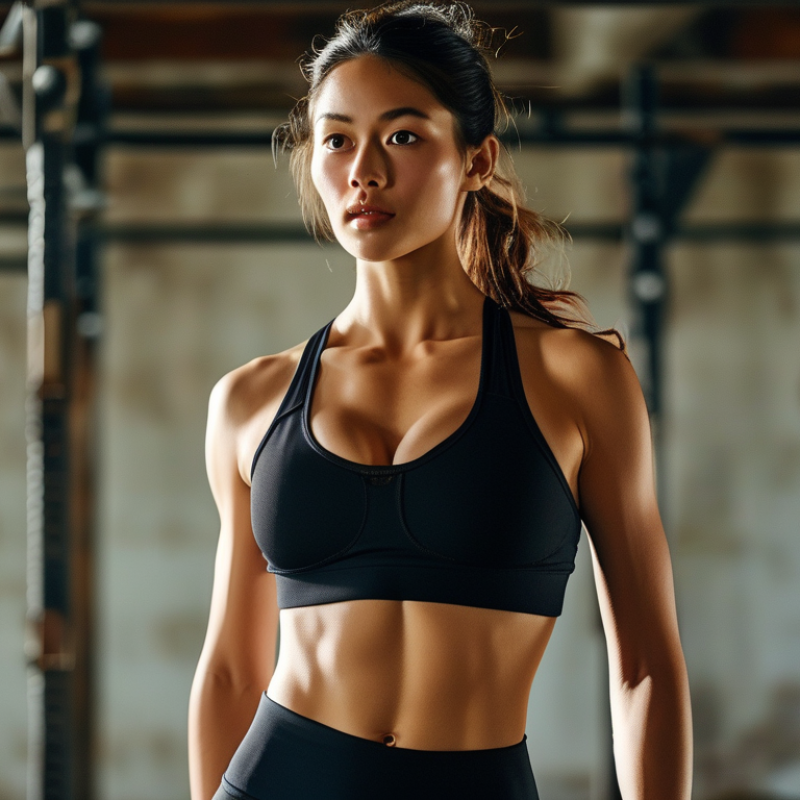

 Reba Fashion