Athletic performance relies heavily on advancements in clothing technology. Athletes seek any edge to enhance their skills. Understanding how clothing technology improves athletic performance is crucial. Innovative fabrics and designs can significantly impact an athlete's capabilities.
For instance, moisture-wicking materials keep athletes dry and comfortable. Compression gear supports muscles and improves circulation. These enhancements can lead to better endurance. However, not all athletes find these technologies beneficial. Individual comfort and fit often vary widely.
Further exploration reveals that technology plays a double-edged sword. While many thrive with advanced gear, some may feel restricted. Despite these challenges, the potential benefits are substantial. Improved agility and reduced fatigue can make a difference in competition. Ultimately, how clothing technology improves athletic performance is a complex journey worth examining.
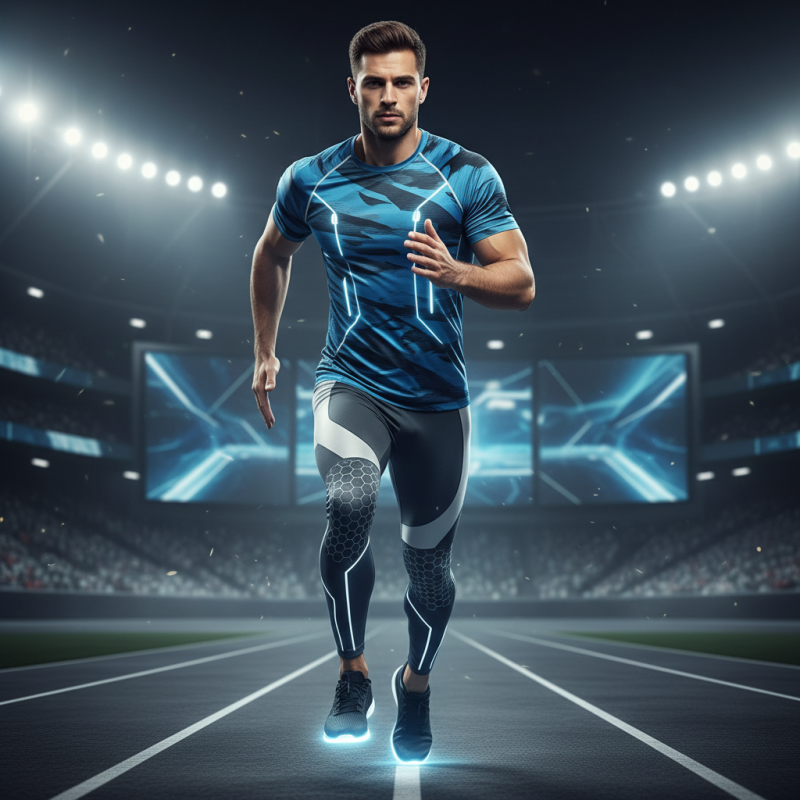
Advanced fabrics play a crucial role in enhancing moisture management during athletic activities. When athletes engage in physical exertion, their bodies produce sweat. This sweat needs to be efficiently managed to maintain optimal body temperature and comfort levels. According to a report from the Textile Research Journal, moisture-wicking fabrics can reduce wetness by up to 70% when compared to traditional materials. This feature is essential for athletes looking to improve performance.
The properties of modern fabrics, such as breathability and quick-drying capabilities, significantly impact athletic performance. A survey by the American College of Sports Medicine revealed that athletes who wore moisture-wicking apparel reported a 20% increase in perceived comfort during workouts. However, it's important to note that not all fabrics perform equally. Some may become saturated and heavy, hindering mobility. This inconsistency urges athletes to carefully select materials that best suit their individual needs.
While advanced fabrics offer clear benefits, there are challenges in their development. Manufacturers face difficulties in balancing moisture management with factors like durability and cost. Future innovations in textile technology must address these issues to truly support athletes. An ongoing commitment to research and development is vital for creating more effective athletic wear.
Compression wear is gaining attention in sports science. These garments fit snugly, delivering pressure to muscles. This may enhance blood circulation, leading to better oxygen delivery. Improved circulation can help muscles recover faster after strenuous activity.
Research indicates that athletes using compression wear report reduced muscle soreness. They often experience quicker recovery times. However, results can vary between individuals. Some athletes find little benefit or discomfort from these tight garments. It's essential to test different options to see what works best.
Performance metrics may also improve with compression wear. Some studies show enhanced endurance in long-distance running. Others highlight increased power output in strength training. Yet, not all athletes notice these improvements. Listening to your body and adjusting your gear can be crucial for maximizing performance.
Athletes today benefit greatly from advanced temperature regulation technologies in sportswear.
These innovations help maintain optimal body temperature during intense physical activities. According to a recent report by the Global Sports Apparel Market, temperature-regulating fabrics can enhance performance by as much as 20%.
These fabrics work by wicking moisture away and allowing breathability. This is especially beneficial during high-intensity workouts. Studies show that overheating can impair muscle function and increase fatigue. Athletes need to stay cool to perform at their best.
Tips: Choose fabrics with built-in cooling technology for hot weather training sessions. Look for materials that adapt to changes in temperature. Always pay attention to how your clothing feels during performance. Irregular feedback on fabric comfort can indicate a need for change.
Innovations continue to evolve, focusing on both comfort and performance. Some technologies, however, may not suit every athlete's needs. For instance, certain materials may retain heat better for colder conditions but may not be ideal in warmer climates. Understanding these nuances is vital for optimum performance.
Wearable technology is transforming how athletes analyze their performance. By integrating smart textiles and sensors, athletes can gain real-time insights. According to a recent report from the International Data Corporation, the global wearable market is projected to reach $90 billion by 2025, highlighting the surge in adoption. These devices collect data on heart rate, speed, and recovery time, providing a comprehensive picture of performance.
However, it's essential to remember that data alone does not guarantee improvements. Athletes often misinterpret metrics or focus too much on the numbers. For example, an athlete may overtrain due to misleading heart rate data. It’s vital to combine these insights with proper coaching and training plans. Recognizing the limits of technology is crucial for progress.
Tips: Regularly review your data with a coach. They can provide context and actionable feedback. Ensure you balance technology with intuition. Sometimes, how you feel matters more than what the numbers say. Stay mindful of this balance to maximize your potential.
The future of sports performance is being transformed by smart clothing technology. These garments incorporate sensors that monitor various metrics crucial for athletes. Heart rate, body temperature, and even muscle fatigue can all be tracked in real-time. This data empowers athletes to optimize their training and reduce injury risks.
Athletes can now receive immediate feedback while training. This insight allows for instant adjustments, promoting better performance. Imagine a runner aware of their pacing and fatigue levels. This awareness could lead to more efficient training sessions.
Tips: Embrace technology gradually. Start with basic features like heart rate monitors. Analyze data to understand your performance patterns. Additionally, ensure the clothing is comfortable and does not restrict movement. Remember, the goal is to enhance, not hinder, athletic abilities.
Future trends point to even more sophisticated capabilities. Wearable tech might soon adjust clothing temperature based on the environment. Such advancements raise questions about data privacy and reliability. Athletes must weigh the benefits against potential risks. Carefully consider how much technology you want in your daily training.
This chart illustrates the estimated percentage increase in athletic performance attributed to different aspects of clothing technology. Temperature regulation, moisture management, and muscle support play significant roles, providing athletes with advantages during performance and training.
: They efficiently manage sweat to maintain optimal body temperature and comfort levels for athletes.
Moisture-wicking fabrics can reduce wetness by up to 70% compared to traditional materials.
A survey showed they reported a 20% increase in perceived comfort during their workouts.
No, some fabrics may become heavy and saturated, hindering mobility during physical activity.
Balancing moisture management, durability, and cost can be difficult for manufacturers.
It monitors vital metrics in real-time, helping athletes optimize training and reduce injury risks.
Smart clothing can track heart rate, body temperature, and muscle fatigue levels.
If clothing restricts movement, it can hinder athletic performance, rather than enhance it.
They should weigh the benefits against potential privacy risks and technology dependence.
Clothing may adjust temperature based on the environment, improving training conditions.
Clothing technology plays a vital role in enhancing athletic performance through various innovative applications. Advanced fabrics are designed for effective moisture management, keeping athletes dry and comfortable during intense physical activities. Additionally, compression wear is utilized to improve muscle recovery and enhance performance metrics by promoting better blood circulation. Temperature regulation technologies integrated into sportswear further contribute to an athlete's endurance and comfort, allowing for optimal performance regardless of external conditions.
Moreover, the integration of wearable technology enables athletes to analyze their performance in real-time, providing insights that can be used to optimize training regimens. Looking ahead, the development of smart clothing is set to revolutionize sports performance by offering advanced features that monitor and respond to an athlete's needs. Overall, understanding how clothing technology improves athletic performance is essential for athletes seeking to gain a competitive edge in their respective sports.

Reba Fashion