When considering workout performance, the significance of apparel cannot be overlooked. Scientific studies reveal that certain materials and fits can enhance or hinder athletic abilities. According to a report by the Sports Science Institute, optimal clothing selection can improve performance by up to 10%. This statistic highlights the essential connection between fitness gear and athletic success.
Expert in sports performance, Dr. Emily Carter, notes, "The right clothing can transform the way athletes perform." She emphasizes that moisture-wicking fabrics and appropriate fits help reduce fatigue. Comfort is vital during high-intensity workouts to maintain focus and endurance. Athletes often overlook how clothing affects workout performance and, in doing so, miss opportunities to maximize their potential.
Moreover, poorly chosen outfits can lead to distractions and injuries. Tight or too loose-fitting clothes can restrict movements, ultimately affecting overall performance. As athletes strive for improvements, evaluating their workout wardrobe becomes essential for achieving fitness goals. As we dive deeper into how clothing affects workout performance, it’s crucial to reflect on personal preferences and specific needs for optimal outcomes.
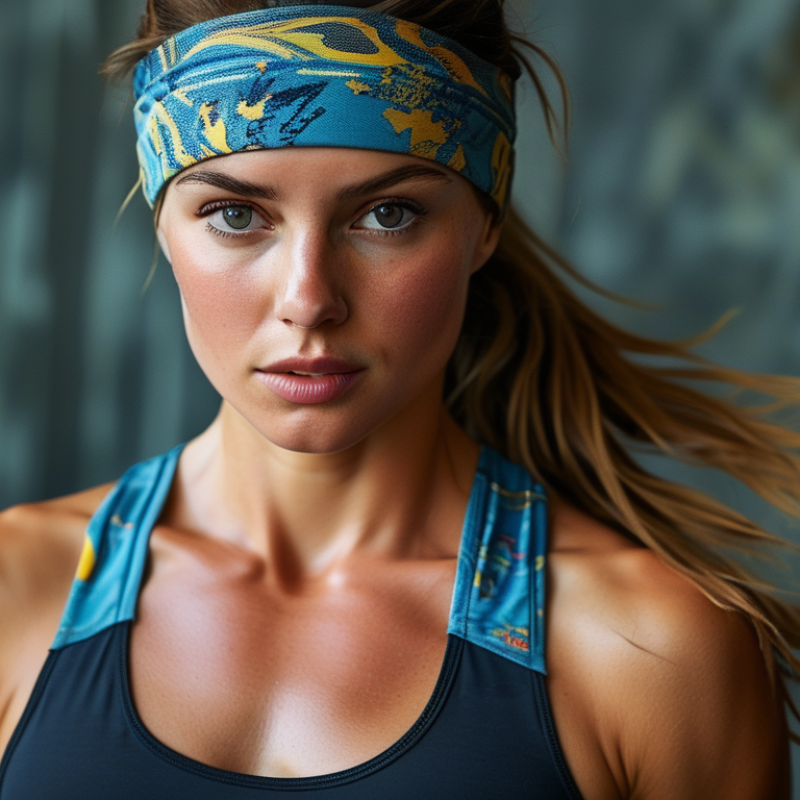
Choosing the Right Fabric for Optimal Comfort and Flexibility
Choosing the right fabric for your workout gear can greatly enhance your performance. Opt for materials that wick moisture away from your skin. Fabrics like polyester or nylon help keep you dry during intense sessions. Breathable mesh panels are also a great addition for ventilation. This can aid in temperature regulation and comfort.
When selecting workout clothes, consider flexibility. Stretchy fabrics allow for a full range of motion. You want your clothing to move with you, not restrict you. Look for garments with spandex or elastane. These materials provide support while maintaining comfort.
Remember: everyone's body is different. What feels great for one person may not work for another. Don't hesitate to experiment with different styles and materials. Make sure to pay attention to how each fabric feels during your workouts. Trust your instincts and prioritize comfort above all.
The Importance of Fit in Enhancing Movement and Performance
The fit of your clothing plays a significant role in your workout performance. When athletic wear fits properly, it allows for enhanced movement. Tight clothing can restrict your range of motion, while overly loose attire may get in your way. Think about activities like running or yoga. The wrong fit can lead to discomfort and distraction.
Comfort is crucial. If your clothes chafe or bind, your focus shifts from exercise to irritation. Test out different styles and fabrics. Some materials wick away sweat better than others, helping you stay dry. The right fit means you won’t constantly adjust your outfit mid-workout. Instead, you can concentrate on your performance and goals.
Not all workout gear fits everyone the same. Body shapes and sizes vary widely. What works for one person may not work for another. It’s worth reflecting on your own preferences and needs. Finding the perfect fit can take time and experimentation. Consider this a part of your fitness journey. After all, feeling good in your clothes can elevate your training.
Color Psychology: How Clothing Color Influences Motivation and Mood
The colors you wear during workouts can significantly influence your mood and motivation. Bright colors like red and yellow can energize you. They increase heart rates and create a sense of urgency. In contrast, cooler shades like blue and green promote calmness. They can inspire focus and help you find your inner peace.
Consider how you feel when you put on a certain color. Do you feel more confident in vibrant outfits? Perhaps black makes you feel powerful yet anonymous. The impact of color in your workout gear is often overlooked. However, it can be a game changer for your mental state.
It’s worth reflecting on your choices. Are you drawn to colors that truly uplift you? Or do you default to what’s mainstream? Personalizing your workout attire with colors that resonate with your emotions can enhance your experience. Experiment, observe, and see how your performance changes.
Footwear Selection: The Impact of Shoes on Stability and Injury Prevention
Selecting the right footwear is crucial for anyone serious about their workouts. Shoes that provide adequate support can greatly affect stability during exercise. Good stability can enhance performance and reduce the risk of injuries. Many overlook this aspect and choose style over functionality, which often leads to discomfort and setbacks.
Different activities demand different shoe types. Running shoes, for instance, are designed to cushion impact. They help absorb shock and support your foot properly. In contrast, weightlifting shoes offer a firm base for lifting. They keep your feet stable, which is essential for maintaining proper form. Ignoring the specifics can result in strain or even serious injury.
Finding the right pair can be overwhelming. Aesthetic appeal often clouds judgment. Many struggle with the balance between comfort and look. If shoes don't fit well, they can affect performance, leading to frustration. Reflecting on personal experiences with footwear choices can guide future decisions. Investing time in finding the right shoes pays off in performance gains and injury prevention.
Impact of Footwear on Workout Performance
Layering Techniques: Adapting to Different Environments for Peak Performance
Layering your workout clothing is essential for maintaining optimal performance. In different environments, the right layers regulate body temperature and enhance movement. When it’s chilly outside, start with a moisture-wicking base layer. This layer keeps sweat away from the skin, helping to prevent chills. It's vital to choose breathable fabrics.
As the temperature warms up, you can adjust your layers. A lightweight jacket can easily be tied around your waist when you no longer need it. Remember, improper layering can lead you to overheat or feel uncomfortable. Even the best workout plans can fall short if you’re distracted by your clothes.
Tips to consider: Choose fabrics that dry quickly to stay comfortable. A breathable layer is also crucial in hot weather. Stay mindful of how your body feels as you exercise. Take note of any restrictions in movement caused by clothing. Learning from your experiences will help improve your layering techniques for future workouts.
How Clothing Impacts Your Workout Performance Tips - Layering Techniques: Adapting to Different Environments for Peak Performance
| Layer Type |
Material |
Benefits |
Best For |
| Base Layer |
Moisture-wicking synthetic fibers |
Keeps body dry, reduces chafing |
Cold weather workouts |
| Insulation Layer |
Fleece, down |
Retains body heat while allowing breathability |
Chilly morning runs |
| Outer Layer |
Waterproof, windproof fabric |
Protects against adverse weather conditions |
Rainy or windy conditions |
| Compression Layer |
Elastic materials |
Supports muscles, enhances circulation |
High-intensity workouts |
FAQS
: The right fabric wicks moisture and keeps you dry. Look for polyester or nylon for best results.
Stretchy fabrics like spandex or elastane allow for full range of motion. They support movement comfortably.
Colors can influence mood and motivation. Bright colors energize, while cool shades promote calm and focus.
Reflect on how each color makes you feel. Choose colors that uplift your spirit and enhance your confidence.
Look for shoes that provide support and stability. Proper footwear can enhance performance and help prevent injuries.
Different shoes offer unique support for various activities. Running shoes cushion, while weightlifting shoes stabilize.
Many focus on style over functionality. Aesthetic appeal can lead to discomfort and affect overall performance.
Try on different styles and sizes. Proper fit is essential for comfort and can prevent frustration during workouts.
Regularly evaluate how materials feel during workouts. Comfort levels can change, and it's vital to adjust accordingly.
Yes, everyone’s body is different. Don't hesitate to try various styles to find what feels best for you.
Conclusion
The article "How Clothing Impacts Your Workout Performance Tips" explores the crucial relationship between apparel and athletic efficiency. First, it emphasizes the importance of selecting the right fabric, which can enhance comfort and flexibility, allowing for a more agile workout experience. Additionally, the fit of the clothing plays a significant role in facilitating movement, ultimately enhancing overall performance.
Moreover, the piece delves into the psychological effects of color, demonstrating how clothing color can influence motivation and mood during workouts. It also highlights the role of footwear in providing stability and preventing injuries, underscoring the need for appropriate shoe selection. Lastly, it discusses layering techniques to adapt to various environments, ensuring peak performance regardless of external conditions. Overall, the article provides insights on how clothing affects workout performance, helping individuals make informed choices to boost their fitness endeavors.

 Reba Fashion