Choosing sportswear is not just about color or brand. The right clothing can help you move comfortably, manage sweat, and adapt to changing weather. A runner may need lightweight layers and a secure pocket, while a cyclist often benefits from a close fit that reduces fabric movement. For court sports, flexible shorts and breathable tops support quick turns and repeated reaches. Small details matter.
This guide explains how to choose clothing for different sports activities, with practical factors to compare before you buy. Consider fabric, fit, seams, ventilation, and the demands of each sport. A moisture-wicking shirt can feel useful during a warm workout, but it may not provide enough insulation on a cold morning. Layering offers flexibility, though too many layers can restrict movement. Check care labels, try garments in the positions you use during training, and allow room for sport-specific protective equipment where needed. Advice from coaches, qualified fitters, or product specifications can help clarify choices, but comfort still varies from person to person. No checklist is perfect. Personal preference, climate, and workout intensity can change what works. Use the recommendations as a starting point, then notice rubbing, overheating, or restricted movement during real sessions. Small adjustments can make a meaningful difference.
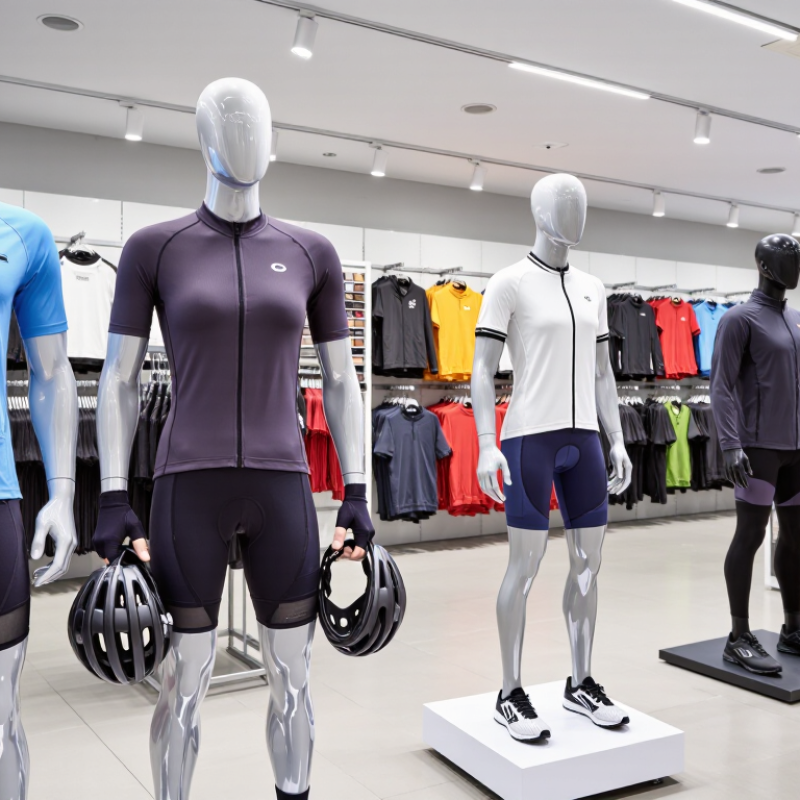
Choose sportswear by identifying what the body repeatedly does and what can injure it. Running loads the feet and knees with repeated impact, so a stable fit and moisture-managing fabric help reduce rubbing and distraction. Cycling holds the body in one position and exposes skin to wind and road grit; close-fitting layers can limit flapping, while padded shorts may ease pressure on longer rides. In court sports, sudden stops and lateral cuts strain ankles and knees. Flexible clothing that stays in place matters. Small details count.
Contact sports add collision and equipment-related risks, so garments should fit securely beneath required protective gear without restricting movement. Heat changes the calculation: the National Athletic Trainers’ Association’s guidance on exertional heat illness warns that exercise, hot conditions, and equipment that limits heat loss can raise danger. Choose breathable layers when appropriate, but never trade required protection for comfort. A CDC analysis published in 2016 estimated 8.6 million sports- and recreation-related injuries treated in U.S. emergency departments each year during 2011–2014. That broad figure cannot tell you which shirt prevents injury. It does remind us that sport-specific risks deserve attention. Poor fit is easy to overlook. Test seams, cuffs, and movement during practice, then revise if fabric rubs or bunches.
For hot-weather running, choose a lightweight polyester or nylon knit with open, breathable panels. These fibers usually move sweat away from skin and dry faster than cotton. Cotton can feel comfortable at first, but a soaked shirt may cling during a long session. The Textile Exchange Materials Market Report 2024 estimates polyester accounted for 59% of global fiber production in 2023. That figure shows its prevalence, not that it suits every sport.
Cold-weather clothing needs layers that manage moisture without restricting movement. A close-fitting base layer can help keep damp fabric off the skin, while a wind-resistant outer layer reduces chill on exposed trails. For cycling or court sports, check stretch and seam placement: fabric that pulls across the shoulders or bunches behind the knees can become distracting. Merino blends can feel less clammy, though they may take longer to dry. There is no perfect fabric.
Match the outfit to conditions, not just the forecast. Humidity, wind, and workout intensity change how quickly clothing gets wet. The U.S. National Institute for Occupational Safety and Health recommends drinking water regularly during heat exposure; its heat guidance suggests about one cup every 15–20 minutes for moderate activity in the heat. Clothing helps, but it cannot replace pacing or shade. A small test run helps reveal hot spots before race day. Some choices still come down to personal comfort.
Choosing sportswear in 2026 starts with the movement, not the color or cut.
For running, look for lightweight fabric that dries quickly and seams that do not rub under the arms or along the thighs. A short test jog can reveal problems a fitting room cannot. Fit matters. Clothes should stay in place without restricting your stride.
For strength training, a close-fitting top and flexible bottoms make it easier to check your form. If fabric pulls at the knees during a squat, try a different cut or size.
Different sports create different demands. Cycling calls for a secure fit that reduces bunching, while padded shorts may help on longer rides. For yoga, stretch and opacity matter: test a deep lunge in bright light before class.
In outdoor sports, choose layers you can add or remove as your temperature changes. A breathable base layer helps move sweat away from the skin; a light outer layer can block wind. Check the weather, but do not assume a forecast tells the whole story. Damp trails and shaded courts can feel colder than expected.
One detail I might overlook is pocket placement; a phone bouncing against your hip can become distracting. Let comfort and movement guide the choice, and replace items that chafe or lose support.
Choosing sports clothing starts with movement, not appearance. A running top should stay close without pulling across the shoulders, while shorts need room for a full stride. For cycling, check that seams do not press against the saddle, and make sure fabric stays in place when you lean forward. Try the motions your sport requires. A fitting-room mirror cannot show everything.
Safety depends on the activity and conditions. For trail running, secure pockets and visible details can help; for court sports, sleeves should not block your reach. Helmets and protective equipment must fit correctly, too, and clothing should not interfere with them. Avoid loose hems near moving equipment. Small details matter. A garment may feel fine standing still but rub after twenty minutes. No checklist catches every issue; bodies move differently when tired.
Durability is about more than thick fabric. Check stress points such as crotch seams, knees, and underarms, then look for stitching that lies flat and holds firmly. Care affects lifespan: sweat and salt can weaken fibers over time, so follow the washing label and air-dry when recommended. I sometimes overlook care instructions when buying in a hurry. That is a mistake worth correcting. If frequent washing is part of your routine, choose pieces that can handle it without losing shape or becoming rough against the skin.
| Sport | Fit to Look For | Useful Clothing Features | Safety Considerations | Durability Checks | Care Requirements |
|---|---|---|---|---|---|
| Running | Close-fitting but not restrictive; sleeves and hems should stay in place without chafing. | Lightweight, quick-drying fabric; breathable panels; weather-appropriate layers. | For low-light runs, choose reflective details or add reflective accessories. Wear layers that suit the temperature. | Check seams, waistband recovery, and resistance to pilling in high-friction areas. | Follow the garment label. Wash soon after heavy sweating; avoid fabric softener on technical garments if the care label advises against it. |
| Road Cycling | A close fit reduces loose fabric that can flap or catch; make sure the riding position feels comfortable. | Moisture-managing layers, a longer back hem, and padded cycling shorts for longer rides. | Use visible colors or reflective details in traffic and low light. Clothing does not replace a properly fitted helmet or lights. | Inspect seams, zippers, and any gripper elastic. Check padded shorts for thinning or damage. | Rinse or wash promptly after rides according to the label. Close zippers and fasteners before washing; air-dry when recommended. |
| Swimming | Secure and streamlined, with no loose fabric that may interfere with movement. | Chlorine-resistant swimwear for frequent pool use; sun-protective cover-ups for outdoor use. | Choose secure straps and coverage suited to the activity. For outdoor swimming, use sun protection and follow local water-safety guidance. | Look for strong stitching and fabric that retains stretch. Repeated chlorine, sun, and heat can shorten garment life. | Rinse with fresh water after use and air-dry away from direct heat. Follow the label; avoid wringing or tumble-drying unless permitted. |
| Hiking | Allow comfortable movement and room for appropriate layers; avoid hems that drag or snag. | Quick-drying base layers, weather-appropriate insulation, and an outer layer suited to expected rain and wind. | Choose clothing for forecast conditions and terrain. Bright or contrasting colors can improve visibility; carry extra layers for changing weather. | Check reinforced areas, closures, and fabric abrasion resistance, especially where a pack may rub. | Follow washing instructions to protect any water-resistant finish. Clean and re-treat garments only as directed by the care label. |
| Basketball | Loose enough for jumping and reaching, but not so oversized that fabric obstructs movement. | Breathable, sweat-wicking jersey and shorts; smooth seams can help reduce rubbing during repeated movement. | Ensure clothing does not trail or snag. Choose court-appropriate footwear separately for traction and support. | Look for secure hems and seams that can withstand frequent stretching and washing. | Wash after sweaty sessions according to the label. Turn printed garments inside out if recommended to reduce wear on graphics. |
| Yoga | Flexible and secure through bends and inversions; test that waistbands and tops stay in place. | Stretch fabric with comfortable seams and enough coverage for the planned movements. | Avoid loose ties or dangling details that may distract or catch. Choose a fit that allows unrestricted breathing and movement. | Check that elastic retains its shape and that seams remain smooth and secure after stretching. | Wash gently as directed and avoid excessive heat, which may affect stretch fibers. Air-dry if recommended. |
| Tennis | Allow full shoulder rotation and quick movement; secure hems and pockets help keep items in place. | Breathable fabrics and clothing designed for unrestricted serving, sprinting, and reaching. | Use sun-protective clothing or accessories for outdoor play. Keep pockets clear of loose items that could fall during play. | Inspect seams and elastic in areas exposed to frequent lunges and repeated washing. | Wash promptly after play and follow the care label. Separate colors when needed and avoid high heat unless permitted. |
| Alpine Skiing | Layered fit that permits bending and arm movement without compressing insulation or restricting circulation. | Moisture-managing base layer, insulating middle layer, and a weather-resistant outer shell suited to conditions. | Use clothing compatible with required protective equipment. A helmet and other suitable safety gear are separate essentials; avoid loose accessories that can snag. | Check closures, cuffs, seams, and shell fabric for wear. Replace or repair damaged layers that no longer provide their intended protection. | Follow the manufacturer’s care instructions closely, especially for insulated or water-resistant layers; use only recommended cleaning and drying methods. |
Choosing sportswear for 2026 means weighing useful technology against materials that last. For running, look for quick-drying fabric and reflective details; for strength training, prioritize stretch and reinforced seams. Fit still matters. A sensor is only useful if it tracks something you will act on, such as heart rate or recovery. Washable, replaceable components are preferable to garments that become unusable when electronics fail.
Sustainable choices deserve equal scrutiny. Textile Exchange’s Materials Market Report 2024 estimated global fiber production at 124 million tonnes in 2023, with polyester making up about 57 percent. Recycled polyester represented roughly 12 percent of polyester production. That is progress, but recycled content alone does not prove a garment has a smaller footprint. Check the fabric composition, care instructions, and whether the item can be repaired. Small wins count.
For cycling, a close-fitting layer can reduce flapping; for yoga, soft fabric and unrestricted movement may matter more than compression claims. Smart features can add value during training, yet extra batteries and complex construction may shorten a garment’s useful life. I would not choose a “smart” shirt just because its packaging promises optimization. Compare its specific function with a durable, lower-impact alternative, then consider how often you will actually wear and wash it. Not always.
Compare smart, sport-specific fabric choices with a key material property: standard moisture regain.
Moisture regain is the moisture a dry fiber absorbs from the air under standard conditions; it is not a direct measure of sweat-wicking or drying speed. Lightweight polyester is often practical for running and cycling, while nylon is valued for durable, stretchy training gear. For hiking or cool-weather activities, wool can provide warmth even when damp. For a lower-impact choice, consider recycled synthetics or responsibly sourced natural fibers, and check the garment’s care and durability.
Choose lightweight fabric that dries quickly. Check that seams do not rub under your arms or thighs. Try a short jog.
Move as you would during your sport. Shorts should allow a full stride, and tops should not pull across your shoulders. Fit matters.
Look for a secure fit that stays in place when you lean forward. Check that seams do not press against the saddle. Padded shorts may help on longer rides.
Test a deep lunge in bright light to check stretch and opacity. I might forget this step, but it can prevent an awkward surprise.
Use layers you can add or remove. A breathable base layer moves sweat away, while a light outer layer can block wind.
Check pocket placement, seams, and hems. A phone bouncing against your hip can distract you, and loose hems may catch near moving equipment.
Inspect stress points such as knees, underarms, and crotch seams. Flat, firm stitching can be a useful sign, though it does not guarantee a perfect fit.
Follow the washing label and air-dry items when recommended. Sweat and salt can weaken fibers over time. I still overlook care labels when I’m in a hurry.
Choosing the right clothing for each sport begins with understanding its physical demands and potential risks. Activities involving frequent stretching, running, or quick changes of direction call for garments that allow unrestricted movement, while sports with greater impact or exposure may require added coverage and protective features. Weather and sweat matter too: breathable, moisture-managing fabrics can help in warm conditions, while insulating or weather-resistant layers may be more suitable in cold, windy, or wet environments.
To decide how to choose clothing for different sports activities, match practical features to the specific sport, then check that each item fits securely without limiting movement. Consider visibility, support, durability, and how easily garments can be washed and maintained. In 2026, smart features and sustainable materials may also influence a choice, but they should complement comfort, safety, and performance rather than replace them. The best outfit is the one suited to the activity, the conditions, and the wearer.

Reba Fashion