How to Choose Moisture Wicking Fabrics for Sports Benefits?

Time:2026-05-19 Author:Isabella
0%

Choosing the right moisture-wicking fabric is crucial for athletes. These fabrics play a key role in enhancing performance. Understanding why moisture-wicking fabrics are important for sports can significantly impact your training and comfort levels.

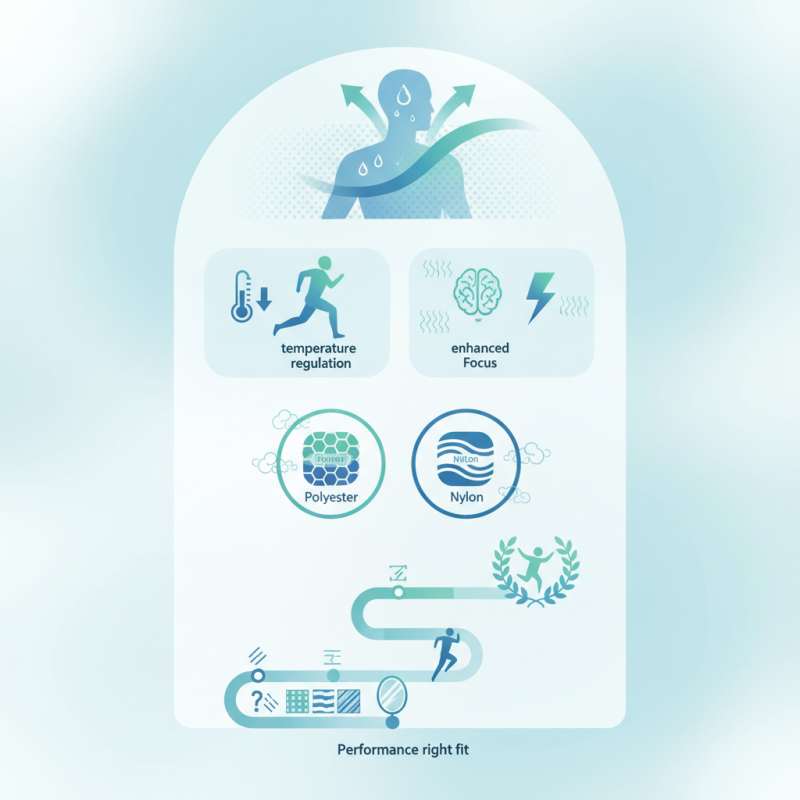
Moisture-wicking fabrics draw sweat away from the skin. This helps to regulate body temperature during intense activities. When you stay dry, you can maintain focus and energy. Athletes often experience discomfort from heavy, wet clothing. Choosing the right material can prevent this.

Different fabrics have unique properties. Polyester and nylon are popular for their breathability. They allow sweat to evaporate quickly, keeping you cool. Experimenting with various options helps identify what works best for your body. It’s essential to reflect on your experiences with different fabrics. Each athlete's needs are different. Finding the right fit can take time and effort. But the benefits are worth exploring.
How to Choose Moisture Wicking Fabrics for Sports Benefits?

Understanding Moisture Wicking Fabrics: Definition and Features

Moisture wicking fabrics are essential for athletes. These materials efficiently pull sweat away from the skin. This helps keep the body dry during intense workouts. The basic definition involves a two-layer system. The inner layer absorbs moisture while the outer layer disperses it. This design minimizes the feeling of clamminess.

Features of moisture wicking fabrics include breathability and quick drying. Many fabrics are lightweight, offering comfort without added bulk. Some incorporate special finishes to enhance their moisture management. It's crucial to note that not all fabrics perform equally. Sometimes, a fabric labeled as moisture-wicking may not work well for you.

Choosing the right fabric can be difficult. Look for options that suit your activity level and environment. Testing different fabrics is wise. Observe how they react to your sweat and movement. A fabric that works for one person may not work for another. Remember, your choice affects your performance and comfort.

The Science Behind Moisture Wicking Technology in Sportswear

Moisture-wicking technology in sportswear plays a crucial role in athletic performance. These fabrics are designed to pull sweat away from the skin, keeping athletes dry during intense activities. The science behind this is rooted in the fabric's structure. Moisture-wicking materials are often made from synthetic fibers. These fibers have unique properties that allow them to absorb and transport moisture effectively.

When you sweat, the moisture moves through the fabric and evaporates from its outer surface. This process helps regulate body temperature. It also reduces the risk of chafing, which can be painful during prolonged exercise. Choosing the right fabric can profoundly impact your comfort and performance levels. However, not all moisture-wicking fabrics are created equal. Some may not perform as expected, leading to discomfort during workouts.

Athletes should pay attention to the construction of the fabric. Look for features like breathability and quick-drying capabilities. Testing different options is key to finding what truly works for you. It's also important to consider the environmental impact of these materials. Some fabrics may not be sustainable, raising concerns about their long-term use. This highlights the need for careful consideration while choosing moisture-wicking sportswear.

Key Factors to Consider When Choosing Moisture Wicking Fabrics

Choosing the right moisture-wicking fabric for sports gear is crucial. Key factors must be considered to maximize performance. Look for materials that facilitate moisture transfer away from the skin. This helps in maintaining a comfortable body temperature. According to a study by the Textile Research Journal, fabrics with hydrophilic properties absorb sweat effectively, while hydrophobic fabrics repel moisture, allowing for faster evaporation.


The breathability of a fabric is another important consideration. Fabrics that allow air circulation can prevent overheating during intense workouts. Research suggests that garments with a higher fabric weight (around 150-250 gsm) often provide better moisture management. This balance ensures the fabric feels comfortable and dries quickly. Users should also consider the fabric's durability. Sports activities can be intense, and fabrics that resist abrasion tend to last longer.


Additionally, don't overlook the fit of the garment. A snug fit can enhance moisture-wicking efficiency but might restrict movement. Finding the right balance is essential for comfort and performance. The American Council on Exercise notes that improperly fitting clothes can impede workouts. Reflections on personal experiences can help refine choices, leading to improved athletic performance over time.

Popular Materials Used in Moisture Wicking Sports Clothing

When selecting moisture-wicking fabrics for sports clothing, it's essential to understand the popular materials available. Various textiles can significantly impact performance and comfort during physical activities. Among these, polyester is widely favored for its lightweight and quick-drying properties. It effectively pulls moisture away from the skin, ensuring you stay dry even during intense workouts.

Another common choice is nylon, known for its durability and breathability. Nylon holds up well under stress and is resistant to abrasions, making it ideal for outdoor sports. Additionally, blends like polyamide offer enhanced moisture management, providing both comfort and optimal performance. However, not all options are perfect. Some moisture-wicking fabrics can feel stiff initially or may require special care during washing.

Lastly, natural fibers like merino wool are gaining popularity for their unique moisture-wicking capabilities. Though traditional wool can be itchy, merino is soft and regulates temperature well. Still, it may not dry as quickly as synthetic fabrics. Understanding these details can help you choose the best material for your sports needs, yet finding the right balance between comfort and performance can be challenging.

Moisture Wicking Fabrics for Sports Benefits

Comparing Moisture Wicking Fabrics: Performance and Cost Analysis

Choosing the right moisture-wicking fabric is crucial for athletes. In recent reports, approximately 80% of athletes noticed improved performance with breathable materials. These fabrics pull moisture away from the skin, keeping the body dry and temperature regulated. Cotton, while comfortable, often retains sweat. This can lead to discomfort and chafing during intense activities.

Polyester has emerged as a popular choice, often outperforming cotton. A study highlighted that polyester can dry up to 200% faster than cotton. Its lightweight nature makes it ideal for running and cycling. On the other hand, nylon offers excellent durability and stretch. However, its cost is generally higher, affecting accessibility for some. Balancing performance and cost is essential, as many athletes may not be willing to invest in higher-priced fabrics without understanding their benefits.

When comparing options, it's vital to reflect on personal needs. Some may prioritize price, while others focus on performance. Spending more doesn't always guarantee better results. Each athlete’s experience may differ based on conditions, type of exercise, and personal preference. Understanding these variables can lead to more informed choices when selecting moisture-wicking fabrics.

How to Choose Moisture Wicking Fabrics for Sports Benefits? - Comparing Moisture Wicking Fabrics: Performance and Cost Analysis

Fabric Type Moisture Wicking Efficiency Breathability Cost per Yard ($) Durability
Polyester High Good 6 Very Durable
Nylon Moderate Excellent 7 Moderately Durable
Merino Wool High Good 12 Moderately Durable
Cotton Blends Low Fair 5 Less Durable
Lyocell (Tencel) Moderate Good 9 Moderately Durable

FAQS

: What is moisture-wicking technology?

: It is a fabric feature that pulls sweat away from the skin during exercise.

How does moisture-wicking technology benefit athletes?

It keeps athletes dry, regulates body temperature, and reduces the risk of chafing.

What materials are commonly used in moisture-wicking fabrics?

Polyester and nylon are popular for their quick-drying and durable properties.

Why is breathability important in sportswear?

Breathable fabrics allow air circulation, which helps with temperature regulation and comfort.

Are all moisture-wicking fabrics the same in quality?

No, some may not perform well, leading to discomfort during workouts.

Can natural fibers be used in moisture-wicking sportswear?

Yes, merino wool is soft and regulates temperature, but dries more slowly than synthetics.

What should athletes consider when choosing moisture-wicking clothing?

Look for features like fabric construction, comfort, and environmental impact.

Do moisture-wicking fabrics require special care?

Some may need careful washing, which could be inconvenient for busy athletes.

Is it easy to find the right moisture-wicking fabric?

No, finding the perfect balance between comfort and performance can be difficult.

What issues might arise with moisture-wicking clothing?

Fabrics can feel stiff at first or may not dry quickly enough for some athletes.

Conclusion

Moisture wicking fabrics play a crucial role in sportswear by effectively managing sweat, keeping athletes comfortable and dry during intense physical activities. Understanding the definition and features of these fabrics, alongside the science behind moisture wicking technology, reveals why moisture wicking fabrics are important for sports. They work by drawing moisture away from the skin and facilitating evaporation, which helps to regulate body temperature and enhance overall performance.

When selecting moisture wicking fabrics, key factors to consider include breathability, drying time, and the specific materials used. Common materials such as polyester, nylon, and blends are favored for their lightweight and quick-drying properties. A cost analysis of various moisture wicking fabrics highlights the balance between performance and affordability, ensuring athletes make informed choices that align with their needs and budget effectively.

Isabella

Isabella

Isabella is a dedicated marketing professional with a sharp focus on driving brand growth and engagement through strategic content creation. With an extensive background in digital marketing, she combines her passion for storytelling with her keen understanding of industry trends to deliver......