What to Look for in High Quality Sports Clothing from China

Time:2026-11-02 Author:Sienna
0%

Choosing sports clothing from China requires more than comparing prices or trusting a polished product photo. Buyers need to assess the fabric, construction, fit, and evidence behind a supplier’s performance claims. Bill Bowerman, Nike co-founder and track coach, is widely associated with the line, “If you have a body, you are an athlete.” It is a broad reminder that sportswear should serve real people in motion—not just look convincing on a model.

So, what to look for in high quality sports clothing? Start with details you can check. Ask for fabric composition, weight, stretch and recovery information, plus test results relevant to the intended activity. Feel the fabric, if samples are available. Does it recover after stretching? Are seams even, labels secure, and hems comfortable against the skin? Small flaws matter. A rough seam can irritate during a long run.

China has a large and varied apparel supply base, but manufacturing location alone proves nothing about quality. Request a pre-production sample and compare it with the approved specifications. Confirm how color, sizing, and workmanship are checked between batches. A supplier’s clear answers are useful; independent test documentation is stronger. Yet documents do not guarantee every garment will perform perfectly. That deserves a little humility. Even good fabric can feel wrong in a particular climate or cut. The following guide focuses on practical checks, so buyers can make informed choices without mistaking confident marketing for proof.
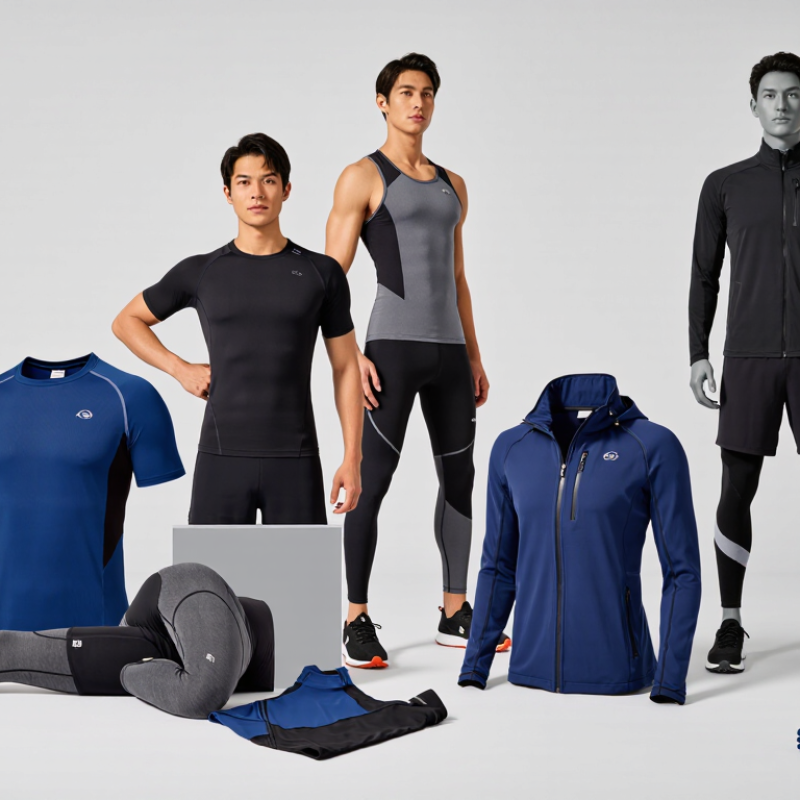
What to Look for in High Quality Sports Clothing from China

Defining Quality Standards for Sports Clothing

Defining quality standards for sports clothing starts with the intended activity. A running top needs light fabric and dependable moisture movement, while training tights need stretch recovery and coverage when bent. Set measurable requirements for fabric weight, fiber content, colorfastness, and shrinkage before placing an order. In China, suppliers may offer different fabrics for similar garments, so compare physical samples against the same specification. Feel the inside surface. Check the seams.

Construction matters as much as the fabric. Look for even stitching, secure seam ends, and waistbands that stay flat during movement. On a sample, stretch the garment and inspect whether the stitches pull apart or the fabric turns sheer. Wash it according to the care label, then check for twisting, fading, or loose threads. These simple checks do not replace laboratory testing, but they can reveal problems early.

Reliable quality also means consistency between samples and bulk production. Agree on acceptable measurement tolerances and inspection points, such as chest width, inseam, and logo placement, before production begins. Keep dated samples and written test results for comparison. A lab report is useful, but it cannot show whether a waistband feels comfortable during a long workout. Fit judgments can be subjective; record wearer feedback instead of treating one opinion as a standard.

Evaluating Fabrics, Fit, and Functional Features

Fabric quality starts with the intended workout, not a fabric label. Textile Exchange’s 2024 Materials Market Report estimates that global fiber production reached 124 million tonnes in 2023, with polyester making up about 57%. That scale makes fiber choice important, but recycled content alone does not prove durability or comfort. Ask the supplier for fabric weight, fiber composition, and test results from the production lot. Check moisture management using AATCC TM195, and dimensional change after washing using ISO 5077. A soft handfeel can fool you; I would not trust it alone. Test a swatch after repeated washing.

Fit needs movement, not just a neat appearance on a mannequin. In a sample, raise both arms, squat, and stretch across the chest. Watch for a waistband that rolls, seams that pull, or fabric that turns transparent under tension. Small details matter. Flat seams can reduce rubbing, while gussets may improve stride and squat comfort. Still, added panels can also create bulky seams, so check them in motion.

For functional features, match the construction to the activity. Mesh zones should sit where heat builds, not where a backpack strap causes friction. Zippers should stay flat against the skin, and pockets should hold a phone without bouncing. Request garment measurements, seam-strength results, and colorfastness data. Compare samples with the approved specification; factory checks can vary between batches. A short wear test may reveal what a polished product sheet misses.

What to Look for in High-Quality Sports Clothing: Fiber Moisture Regain

These are approximate fiber-level moisture regain ranges under standard textile-conditioning conditions. Lower regain means the fiber absorbs less moisture internally; it does not by itself indicate faster drying or better sweat-wicking. Yarn, fabric construction, and finishes also affect performance.

Inspecting Construction, Seams, and Durability

When assessing sports clothing made in China, inspect the inside as carefully as the outside. Seams should lie flat, with no skipped stitches, loose threads, or puckering around the shoulders and underarms. These areas take repeated strain during running and training. Gently stretch a seam, then let it recover. It should not open or remain visibly distorted. Small details matter. Check whether seam allowances are finished cleanly and whether elastic edges feel secure, not scratchy. A smooth surface can still hide weak stitching.

Tips: Bring a sample through a simple wear-and-wash test. Follow the care label, then check for twisting, seam opening, fading, or loosened elastic. Compare measurements before and after. One wash is useful, but it cannot prove long-term durability.

Fabric weight alone is not a reliable quality signal. Rub high-friction areas, such as inner thighs, and look for early pilling or thinning. Flex printed or bonded sections to see whether edges lift. Zippers and drawcords should move smoothly without pulling nearby fabric out of shape. Ask suppliers for construction details and repeatable inspection criteria, then check several pieces rather than relying on one sample. A tidy first impression can fool you; small production differences still happen, so record defects and review them before approving an order.

What to Look for in High Quality Sports Clothing from China — Inspecting Construction, Seams, and Durability

Practical inspection checklist for sportswear samples and production garments. Numerical targets below are example quality benchmarks; agree on product-specific requirements and test methods before production.

Inspection Area What to Check How to Inspect Example Acceptance Indicator Priority
Fabric and Material Fabric weight, hand feel, stretch, recovery, and consistency between panels Compare the garment with the approved fabric swatch; measure fabric weight using the agreed method; stretch and release a representative area. Fabric matches the approved specification and swatch. Stretch panels recover without lasting distortion, and the garment has no obvious shade or texture variation. High
Seam Construction Seam type, stitch formation, skipped stitches, loose threads, and seam alignment Examine high-stress areas inside and outside the garment, especially the crotch, underarm, waistband, and side seams. Seams are secure and even, with no open sections or skipped stitches. Stitch type and thread are consistent with the approved sample. High
Seam Stretch Whether seams remain intact when the fabric is stretched during normal movement Gently stretch the garment across seams in several directions and check for thread breakage, seam opening, or puckering. Seams accommodate the intended movement without breaking or opening. Stretch seams should be assessed in line with the garment’s intended use. High
Stitch Density Stitch length and consistency along seams Inspect a measured section with a ruler or stitch counter; compare against the approved construction specification. Stitching is consistent and appropriate for the fabric and seam type. There is no single stitch-per-inch value suitable for every sportswear construction. Medium
Reinforcement Reinforcement at stress points, pocket openings, drawstring exits, and attachment points Check for secure bartacks, backstitching, or other specified reinforcement; gently pull the area by hand. Reinforcement is present where specified, securely attached, and free from fraying or loose ends. High
Fit and Measurement Key garment dimensions, symmetry, and consistency with the size chart Lay the garment flat and measure agreed points, such as chest, body length, inseam, and waistband; compare with the approved size chart. Measurements fall within the tolerances agreed for the product. Left and right sides are balanced, and paired panels align correctly. High
Seam Appearance Puckering, twisting, raw edges, uneven hems, and visible needle damage Inspect the garment flat and while worn or stretched lightly; check both the face fabric and the inside finish. Hems and seams lie smoothly, raw edges are enclosed or finished as specified, and there is no conspicuous puckering or fabric damage. Medium
Abrasion Resistance Wear resistance in areas exposed to repeated rubbing Use an agreed abrasion test method, such as a Martindale-based laboratory test, when abrasion performance is important to the product. Test method and required cycles are defined in the product specification; results meet the agreed target for the intended activity. Medium
Pilling Formation of pills on the fabric surface after rubbing or wear Request a result using an agreed laboratory method and rating scale; inspect high-friction zones such as the inner thigh and underarm. A target such as grade 3–4 or better on a five-grade scale may be specified, depending on fabric, end use, and buyer requirements. Medium
Colorfastness Color transfer during washing, rubbing, or contact with perspiration Review test reports for the relevant method, such as wash, rubbing, and perspiration fastness; check contrasting panels separately. Set minimum ratings in the purchase specification. Example targets often use a 1–5 gray scale, with higher ratings indicating better performance. High
Dimensional Stability Shrinkage, growth, or twisting after laundering Measure agreed garment points before and after the specified wash-and-dry cycle; follow the care label and test protocol. Changes remain within the agreed tolerance. A target around ±3% may be used for some products, but fiber content and construction affect results. High
Closures and Trims Zippers, elastic, drawcords, toggles, reflective details, and printed or bonded elements Operate closures repeatedly; stretch elastic; inspect trim attachment and check that prints or bonded details are not lifting. Components function smoothly and remain securely attached, with no sharp edges, cracking, peeling, or unintended movement. Medium
Workmanship and Cleanliness Loose threads, stains, needle holes, snags, and foreign material Inspect the complete garment under good lighting, including pockets, linings, labels, and inner seams. Garment is clean and free from conspicuous defects, untrimmed thread tails, holes, and avoidable fabric damage. High
Care and Traceability Care label information, fiber content, size marking, and production-lot identification Compare labels and packaging with the approved artwork and product documentation; confirm applicable market requirements. Information is legible, consistent with the product specification, and suitable for the destination market. Medium

Checking Safety, Testing, and Certification

Safety checks should begin with the fabric, trims, and intended use. For sportswear, request test reports covering restricted chemicals, colorfastness to sweat and washing, seam strength, and any claimed UV protection. Ask whether samples came from the actual production lot, not a specially prepared sample. Small details matter. An ISO/IEC 17025-accredited laboratory can provide stronger confidence in test competence, but check that the report names the exact material, method, and test date. A certificate alone is not proof that every batch meets the same standard.

Transparency deserves equal scrutiny. Fashion Revolution’s 2023 Fashion Transparency Index assessed 250 major fashion companies; only 1% disclosed how many products they tested for hazardous chemicals. That gap makes traceability practical, not decorative. Request lot numbers, supplier test records, and clear pass/fail results. Match testing to the product’s destination market and the buyer’s requirements, since one test panel may not cover every risk. Check labels and certification scope carefully: a certificate may apply to one fabric, not the finished garment. No checklist is perfect; I would still question a clean-looking report with no sample details.

Assessing Manufacturers and Production Practices

What to Look for in High Quality Sports Clothing from China

When assessing a Chinese sportswear manufacturer, look beyond the sample room. Ask how fabric lots are checked, how measurements are controlled, and who signs off each production stage. Request recent test reports for colorfastness, seam strength, pilling, and moisture management. Compare the results with your product requirements, not just a supplier’s marketing sheet. A reliable factory can explain what failed and how it corrected the process.

Textile Exchange’s 2024 Materials Market Report estimates global fiber production reached 124 million tonnes in 2023, with polyester making up 57 percent. That scale makes clear material records important. Ask suppliers to document fiber composition and recycled-content claims, then verify them through relevant test or transaction records. For stretch garments, check recovery after repeated washing, not only how fabric feels on a new sample. Paperwork can mislead.

People and production controls matter too. The ILO’s 2019 report on the future of work in textile, clothing, leather, and footwear cites roughly 60 million workers in these industries worldwide. Ask how the factory trains operators, handles safety concerns, and monitors working hours. During a visit, inspect cutting tables, needle-control procedures, and in-line inspection records. A scheduled audit gives only a snapshot. I would also compare defect rates across several orders; one clean batch proves little.

FAQS

Which quality standards should be set before ordering sports clothing?

Define fabric weight, fiber content, colorfastness, and shrinkage. Match each requirement to the intended activity. Running tops need light fabric and reliable moisture movement.

How can a clothing sample be checked at home?

Feel the inner surface and inspect the seams. Stretch the garment and look for pulled stitches or sheer fabric. Wash it as directed, then check for fading, twisting, or loose threads. Small checks help.

What should a good sportswear seam and waistband look like?

Stitching should appear even, with secure seam ends. The waistband should lie flat during movement. Try bending and stretching in the garment, not just holding it up.

How can buyers check that bulk clothing matches the approved sample?

Set measurement tolerances and inspection points before production. Record chest width, inseam, and placement details. Keep dated samples and test results for comparison. One sample is not enough.

What production information should a factory provide?

Ask how fabric lots and garment measurements are checked. Find out who approves each production stage. Request recent test reports for colorfastness, seam strength, pilling, and moisture management.

How should fabric and recycled-content claims be verified?

Request fiber-composition records and documents supporting recycled-content claims. Compare these records with relevant test or transaction documents. Paperwork can mislead, so check the details.

How can stretch garments be tested for lasting recovery?

Check the fabric after repeated washing, not only when it is new. Stretch and release it, then inspect whether it returns to shape. I might still miss a comfort issue.

What should buyers look for during a factory visit?

Inspect cutting tables, needle-control procedures, and in-line inspection records. Ask how workers receive training and raise safety concerns. A scheduled audit is only a snapshot; compare defect rates across several orders.

Conclusion

Understanding what to look for in high quality sports clothing starts with evaluating the standards behind each garment. Consider whether the fabric feels comfortable, allows movement, manages moisture, and suits the intended activity. Fit should support performance without restricting motion, while functional details such as ventilation and practical pockets should serve a clear purpose.

Look closely at construction, including seam consistency, stitching strength, and areas likely to experience extra wear. These details can indicate how well clothing may hold up to repeated use and washing. Safety testing and relevant certifications can offer further reassurance about material quality and product performance. It is also useful to assess a manufacturer’s production practices, quality-control process, and ability to maintain consistent standards. Together, these checks provide a practical way to choose sports clothing that is comfortable, durable, functional, and responsibly produced.

Sienna

Sienna

Sienna is a skilled marketing professional with a deep expertise in our company’s core products and services. With a passion for innovation and detail, she plays a pivotal role in crafting insightful blog posts that not only highlight the unique features of our offerings but also provide valuable......