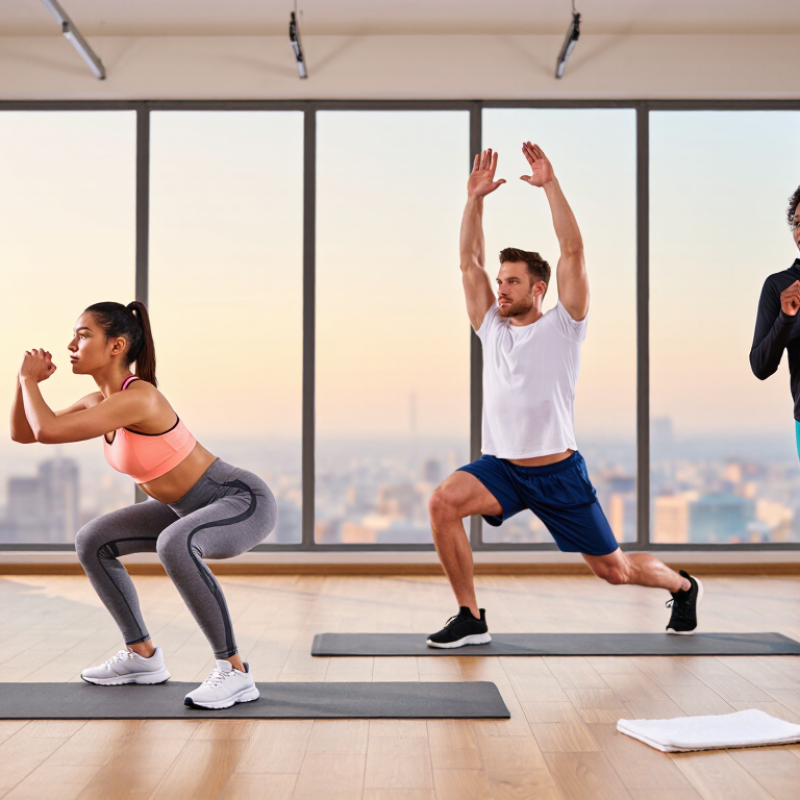
A squat should feel smooth, not like a seam is pulling across your hip. During a run, sleeves should let your arms swing freely. These small moments explain why flexibility matters in fitness clothing: fabric and fit can support natural movement, while restrictive garments may distract from the activity. As sportswear designer Stella McCartney has said, “The best thing is to look natural, but it takes makeup to look natural.” Her remark is about style, not performance; still, it points to a useful design principle: comfortable clothing should feel considered without demanding attention.
When exploring why flexibility is important in fitness clothing, look beyond a fabric’s stretch label. Check whether it returns to shape, feels comfortable against the skin, and moves with you through the motions you actually practice. A deep lunge, overhead reach, or quick change of direction can reveal tight seams or a waistband that shifts. Fit matters, too. Stretch alone cannot fix a garment that rides up or feels unstable.
There is no single best fabric. Small differences matter. A soft, flexible pair of leggings may suit yoga, while a lighter, supportive top may feel better on a warm run. Try the movements you expect to do, and notice pressure, slipping, or restricted reach. One caveat: comfort is personal, and a quick fitting cannot predict every workout. Use these practical checks as a starting point, then trust how the clothing feels in motion.
Understanding Flexibility in Fitness Clothing
Flexibility is how comfortably clothing moves with your body, not simply how far its fabric stretches. During a squat, reach, or lunge, notice whether the waistband rolls or fabric pulls across your knees. The garment should move without pinching or feeling unstable. Not too tight. Not too loose.
Stretch comes from both the fabric and its construction. A close-fitting knit may recover its shape well, while a looser weave can feel airy but shift during movement. Four-way stretch can support movement in several directions, though the label alone cannot tell you how a garment will feel. Try a few controlled movements in the size you would actually wear. Check seams and waistbands, too; they can restrict motion even when the fabric feels soft. A fitting-room test is useful, but imperfect: lighting, temperature, and repeated washing can change how fabric behaves. Follow the care instructions, and reassess fit if the material begins to sag or feel stiff.
| Activity | Flexibility Needed | Stretch Direction | Useful Fabric Features | Fit and Construction Tips |
|---|---|---|---|---|
| Yoga and Pilates | High | Four-way stretch supports movement in multiple directions. | Stretch knit with elastane or another stretch fiber; soft fabric that moves with the body. | Choose a close, comfortable fit that stays in place during bends and inversions. Check that seams do not restrict the hips or shoulders. |
| Running | Moderate | Two-way or four-way stretch can accommodate a natural stride and arm swing. | Lightweight, moisture-managing fabric with enough stretch for movement. | Look for a secure fit without tightness across the thighs, knees, or shoulders. Flat seams can help reduce rubbing. |
| Strength Training | Moderate to high | Four-way stretch is useful for squats, lunges, and overhead movements. | Durable stretch fabric that holds its shape and allows a full range of motion. | Test deep squats and overhead reaches. Choose garments that remain secure without pulling at the waist or underarms. |
| Cycling | Moderate | Stretch across the hips and knees supports repeated pedaling. | Close-fitting, resilient fabric; cycling shorts may include a padded insert for longer rides. | Check that the fabric does not bunch at the knees or create excessive pressure at the waist while seated. |
| HIIT and Circuit Training | High | Four-way stretch accommodates quick changes of direction and varied exercises. | Stretch fabric with reliable recovery, meaning it returns toward its original shape after being stretched. | Make sure the garment stays in place during jumps, lunges, and floor exercises. Avoid restrictive seams around joints. |
| Hiking | Low to moderate | Stretch in key areas, such as the knees and seat, can improve comfort on steep terrain. | Durable woven fabric with added stretch, or a flexible knit suited to the weather and trail conditions. | Allow room for stepping and climbing while avoiding excess fabric that may snag on vegetation or equipment. |
Choosing tip: Flexibility depends on both the fabric and the garment’s cut. Try the movements required by your activity, and check for pulling, slipping, or restricted motion before training.
Choose multidirectional fabric and a waistband that stays put. Try a squat and overhead reach; watch for knee pulling or sheerness.
Moderate stretch can balance movement and stability. Close-fitting hems are less likely to catch on equipment.
Quick-drying, flexible fabric can move through jumps and floor work. Test it at workout pace.
Cycling needs stretch at the hips and knees, with smooth seams in a forward lean. Running should feel comfortable at the shoulders and thighs.
No. Firmer compression may reduce distracting movement during running or jumping, but too much can restrict your stride.
Try a lunge, deep squat, and overhead reach. Check the waistband and seams. A mirror isn't enough.
Gently pull the fabric and see whether it recovers. Inspect stitching near knees and underarms, where stress often builds.
Follow the care label and avoid high heat when possible. I still misjudge this sometimes.
Polyester made up 57 percent of global fiber production in 2023. That figure does not measure clothing lifespan.
No. High-intensity interval training ranked sixth in a 2024 survey. The ranking reflects professional responses, not clothing tests.
Choosing fitness clothing with the right flexibility means matching its stretch to the movements and demands of your workout. Lightweight, highly stretchable fabrics can help with activities involving deep bends or wide ranges of motion, while more structured garments may offer useful support for strength training. Understanding why flexibility is important in fitness clothing can help you move comfortably without feeling restricted or relying on fabric that loses its shape too quickly.
Look beyond stretch alone: consider fabric quality, seam placement, and how the garment fits your body. Test movements such as squats, lunges, and overhead reaches to check for pulling, slipping, or unwanted exposure, then see whether the fabric recovers its shape afterward. The best choice balances freedom of movement with support and durability, so your clothing feels comfortable throughout exercise and remains dependable with regular wear.

 Reba Fashion