As the demand for Pilates clothing continues to rise, global buyers are presented with an array of options. According to a recent market report, the activewear industry is projected to reach $546 billion by 2024, with Pilates apparel playing a significant role in this growth. This surge highlights the increasing emphasis on fitness and wellness among consumers.
Pilates enthusiasts seek high-quality materials that provide comfort and flexibility. Brands must stay attuned to the evolving preferences of their target audience. Sustainable options are also gaining traction, as consumers prioritize eco-friendly choices in their wardrobes. With this shift, the importance of innovative designs and functionality cannot be overstated.
However, the market is saturated, and not all brands meet customer expectations. Quality varies widely, which may lead to consumer dissatisfaction with less reputable brands. The challenge lies in navigating this landscape to find the best Pilates clothing. Buyers must consider factors like durability, style, and ethical production while making their selections.
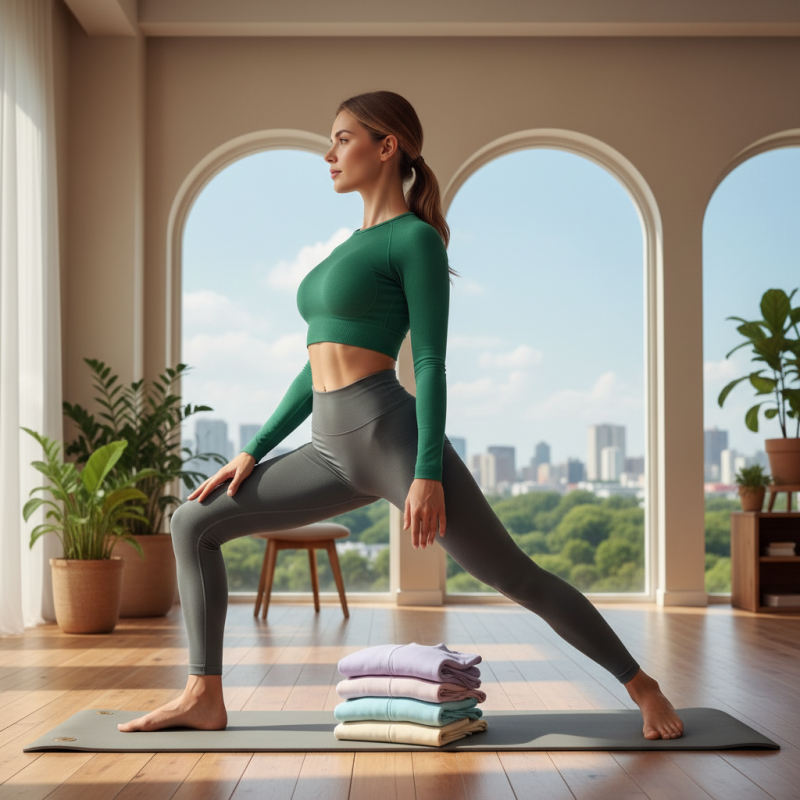
The world of Pilates clothing is evolving. Key trends for 2026 highlight sustainability, performance, and versatility as top priorities for global buyers. According to a recent report by Grand View Research, the activewear market is projected to reach $450 billion by 2026. This growth reflects a rising consumer demand for high-quality, eco-friendly materials in workout gear.
Sustainable fabrics, such as recycled polyester and organic cotton, are gaining traction. Many consumers are seeking apparel that reduces their environmental impact. A survey indicated that 72% of fitness enthusiasts prefer brands that prioritize sustainability in their offerings. This shift prompts manufacturers to innovate, blending style with eco-conscious choices. However, implementing these sustainable practices is not without challenges, as sourcing materials can complicate production timelines.
On the design front, Pilates clothing trends are leaning towards multifunctionality. Many buyers value clothes that transition seamlessly from the studio to everyday wear. Features such as moisture-wicking capabilities and ergonomic cuts are essential for comfort and performance. Yet, some consumers express difficulty in finding the perfect fit, highlighting the need for better sizing inclusivity. Ultimately, the Pilates apparel market is poised for significant changes, driven by consumer preferences and evolving fitness lifestyles.
Choosing eco-friendly materials for Pilates clothing is essential in today’s sustainable fashion landscape. Organic cotton, bamboo, and recycled polyester are becoming popular choices. These materials reduce waste and limit the environmental impact of production. They also offer comfort, breathability, and flexibility, which are crucial for Pilates practice.
Tips for selecting sustainable Pilates wear include checking for certifications. Look for labels indicating organic or recycled materials. Additionally, consider the brand’s overall commitment to sustainability. Research their production practices. Always opt for companies that prioritize ethical labor standards. This ensures your choice supports not just the planet but also its people.
Some consumers may hesitate to invest in sustainable options. Higher initial costs can deter buyers. However, durability often means they last longer than fast fashion items. Reflect on your buying habits. Investing in quality over quantity ultimately benefits both you and the environment. Embracing sustainable Pilates clothing may feel challenging, but it leads to positive change over time.
The world of Pilates clothing is evolving thanks to advancements in performance fabrics. These innovative materials are crucial for enhancing comfort and functionality during workouts. According to the Textile Research Journal, high-performance fabrics can improve moisture management and provide stretch without compromising shape. Such properties allow for greater movement, which is essential during Pilates sessions.
Breathability is another key feature driven by technology. Fabrics engineered with micro-vents increase airflow, helping to regulate body temperature. Data from the International Journal of Sports Science indicates that 70% of consumers prioritize comfort in activewear. This emphasis on comfort highlights the need for fabrics that facilitate freedom of movement while managing perspiration.
However, not all garments meet these needs equally. Some fabrics may feel restrictive despite being marketed as flexible. Additionally, the cost of high-quality, technologically advanced materials can be a barrier for many buyers. The challenge remains in balancing quality and accessibility in the Pilates clothing market. Users must research fabric technologies to find the best options that fit their budget and performance expectations.
When exploring the Pilates apparel market, sizing and fit are crucial. Many brands often overlook the diversity of body types. It's essential to cater to all shapes and sizes. A one-size-fits-all approach is outdated. Consumers need options that accommodate their unique forms.
Inclusivity in sizing builds trust. Brands should offer a range of sizes, including plus sizes. This step ensures everyone feels confident. Also, consider the fabric's stretchability. A stretchy material can adapt better to various body types, enhancing comfort during workouts.
Tips for selecting Pilates clothing: Look for adjustable features. Items with drawstrings or adjustable straps can create a better fit. Keep an eye on user reviews that discuss sizing. Real-life experiences provide insight into the product’s true fit. Finally, don’t hesitate to reach out to customer service with sizing questions. Clear communication can prevent dissatisfaction.
The global Pilates clothing industry is projected to experience significant growth by 2026. A recent report estimates that the market will reach approximately $8 billion by that year. This surge can be attributed to the increasing popularity of Pilates as a fitness regimen. More people are turning to Pilates for physical and mental well-being, resulting in higher demand for suitable apparel.
Consumer preferences are shifting towards high-quality, sustainable materials. Many buyers now prioritize eco-friendly fabrics when selecting Pilates clothing. A study indicated that nearly 70% of consumers consider sustainability in their purchasing decisions. This trend reflects a broader movement towards ethical consumerism within the fitness industry. However, challenges remain in sourcing materials that are both eco-friendly and durable. Brands must navigate this complex landscape to meet evolving consumer expectations.
As the market expands, competition will intensify. Emerging brands might struggle to gain traction against established names. Not all new entrants will be equipped to deliver high-quality products consistently. This presents a reflection point for both consumers and producers about the importance of quality over quantity. The focus should remain on creating real value for customers, beyond just aesthetics or trends.
: Sizing and fit cater to diverse body types. They ensure comfort and confidence during workouts.
Look for adjustable features like drawstrings or straps. They help create a personalized fit.
Read user reviews. Real-life experiences give insight into the true fit of products.
Consumers prefer high-quality, sustainable materials. Eco-friendly fabrics are increasingly important for buyers.
The market is projected to reach around $8 billion by 2026, fueled by Pilates’ rising popularity.
Yes, emerging brands may struggle against established companies. Quality must remain a priority for success.
Sustainability matters a lot. Nearly 70% of consumers consider eco-friendly options when buying apparel.
Contact customer service. Clear communication helps prevent dissatisfaction regarding fit.
Sourcing durable, sustainable materials is complex. Brands need to balance quality and environmental considerations.
Focus on real value, not just trends. Quality should always outweigh quantity in consumer choices.
The article titled "2026 Best Pilates Clothing for Global Buyers to Consider?" delves into the emerging trends and features shaping the Pilates clothing market for the upcoming year. It highlights key styles that prioritize both functionality and aesthetics, ensuring that consumers can find apparel that suits their personal preferences while enhancing their performance during workouts.
Sustainability is also a significant focus, with a discussion on eco-friendly material choices that cater to environmentally conscious buyers. Furthermore, the article examines the use of advanced performance fabrics that enhance comfort and flexibility, which are crucial for optimal movement during Pilates sessions. As the Pilates apparel market continues to grow, attention to diverse sizing and fit is essential, ensuring inclusivity for various body types. Overall, the article presents insightful market projections and trends that will influence global buyers in their Pilates clothing choices for 2026.

Reba Fashion