Best Materials for Active Lifestyles What to Choose?

Time:2026-05-25 Author:Sienna
0%

Choosing the right materials for active lifestyles is crucial. Those who engage in physical activities need gear that supports their performance. Whether it’s for running, cycling, or gym workouts, the right materials can enhance comfort and functionality. So, what materials are best for active lifestyles?

The importance of breathable and moisture-wicking fabrics cannot be overstated. These materials help regulate body temperature and keep you dry. Think of lightweight polyester or nylon blends that move with your body. Additionally, consider the durability of materials like spandex, which provides stretch and flexibility for various activities.

However, not all materials are created equal. Some may wear down quickly or lack proper support. Reflect on your experiences with different fabrics. Have they met your expectations in terms of comfort and longevity? This exploration can lead to better choices that truly align with your active life.
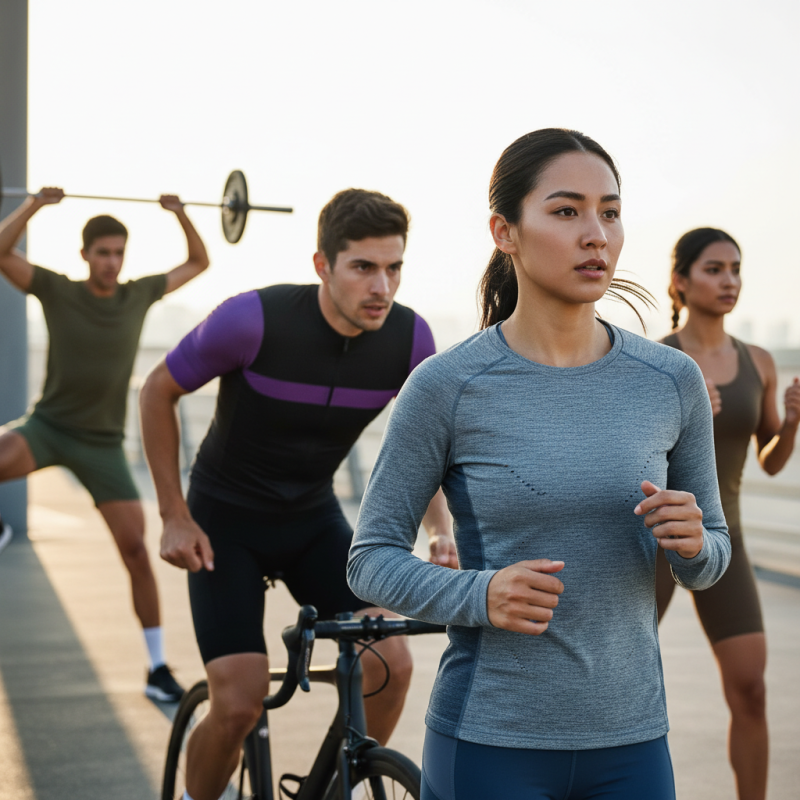
Best Materials for Active Lifestyles What to Choose?

Understanding the Needs of Active Lifestyles for Material Selection

Active lifestyles demand materials that can keep up with intense activities. Choosing the right fabric is essential. It should offer durability, breathability, and moisture-wicking properties. These features help maintain comfort during workouts and adventures. However, many overlook the importance of fit and flexibility. Optimizing both will enhance your performance and mobility.


When selecting materials, consider your environment. For outdoor activities, look for UV protection and weather resistance. Fabrics such as nylon or polyester are lightweight and dry quickly. However, remember that not all materials are created equal. Some might irritate sensitive skin. Always test them before committing to a purchase.


Tips:
• Opt for breathable layers. They regulate body temperature better.
• Mix fabrics for versatility. Combining materials can enhance functionality.
• Prioritize quality over cost. Cheaper options can lead to discomfort, especially during extended use.

Common Materials Used in Active Lifestyle Gear and Apparel

Choosing the right materials for active lifestyle gear is crucial. Various fabrics have distinct properties that enhance performance. For instance, polyester is popular for its moisture-wicking capabilities, pulling sweat away from the body. According to a 2022 report by the Active Lifestyle Institute, 78% of athletes prefer materials that keep them dry and comfortable during workouts.

Another commonly used fabric is nylon. It is known for its durability and resistance to abrasion. This is essential for outdoor activities, where rough terrains can damage gear. A study from the Sports Material Research Center revealed that apparel made from nylon lasts 30% longer than those made of cotton. However, while nylon excels in strength, it may lack breathability compared to other materials.

Cotton remains a debated option. While it is soft and comfortable, it retains moisture, making it less suitable for intense activities. Reports show that 60% of fitness enthusiasts avoid cotton for this reason. Reflecting on material choices is important. The balance between comfort, durability, and moisture management can vastly improve an active experience.

Evaluating Durability and Performance in Active Lifestyle Materials

When engaging in an active lifestyle, the choice of materials is crucial. Durability often plays a significant role. For instance, fabrics that resist tearing can provide more extended wear, especially for outdoor activities. Breathable materials are essential for comfort during workouts. They help regulate body temperature, reducing sweat buildup.

Performance is another key factor. Some fabrics offer moisture-wicking properties to keep you dry. This feature enhances comfort during intense activities. However, not all materials are created equal. A textile may excel in one area but fail in another. For example, insulation might be excellent in cold weather gear yet lacking breathability.

When evaluating your options, consider durability and performance side by side. Reflect on your specific needs. What will you be using the gear for? A hiking trip? A gym session? Sometimes, the perfect blend is challenging to find. You may have to compromise between weight, comfort, and functionality. The materials you choose can ultimately impact your activity enjoyment.

Best Materials for Active Lifestyles: Evaluating Durability and Performance

This chart compares the durability and performance of various materials suitable for active lifestyles. The data represents a scale of 1 to 10, with 10 being the highest performance and durability.

Sustainability Considerations in Choosing Materials for Active Activities

When considering materials for active lifestyles, sustainability plays a vital role. People often overlook the environmental impact of their choices. Selecting eco-friendly materials is crucial for promoting a healthier planet. Natural fibers like organic cotton and bamboo offer breathable options. These materials reduce chemical usage, benefiting both consumers and the environment.

Recycled materials are also gaining popularity. They help reduce waste and lessen the demand for new resources. However, the durability of recycled products can be inconsistent. It’s important to research the sourcing and processing of these materials. Not all recycled options meet the same quality standards. Thoughtful consideration is necessary when making choices.

Sustainability is not just about resources; it's also about the long-term effects. Some materials may have a lower initial environmental footprint but can wear out quickly. This leads to increased waste. Opting for durable, sustainable materials enhances longevity. Balancing performance and eco-friendliness is a continuous journey for active individuals. The choices we make today will impact future generations.

Innovations in Fabric Technology for Enhanced Active Living Experiences

Innovations in fabric technology are transforming active lifestyles. With new materials, athletes and fitness enthusiasts enjoy enhanced performance. For instance, moisture-wicking fabrics keep the body dry during intense workouts. This is essential for comfort and helps maintain focus.

Breathable textiles are another breakthrough. They allow air circulation, which prevents overheating. Fabrics like mesh and lightweight knits promote thermoregulation. However, not all innovations are perfect. Some may not provide enough support or durability for high-impact activities.

Sustainability is also a critical concern. Biodegradable materials offer eco-friendly choices, yet they might sacrifice longevity. Balancing performance and environmental impact is challenging. Active individuals need to evaluate these factors carefully. What feels good might not always be the most sustainable option. Understanding these complexities will guide informed choices in athletic wear.

FAQS

: What materials should I look for in active lifestyle gear?

: Choose durable, breathable, and moisture-wicking fabrics. They help maintain comfort during workouts.

Why is fit and flexibility important in active wear?

Fit and flexibility enhance performance and mobility. They allow for better movement during various activities.

What should I consider when selecting materials for outdoor activities?

Look for UV protection, weather resistance, and lightweight fabrics that dry quickly.

Can all materials be used for sensitive skin?

No, some materials may irritate sensitive skin. It’s important to test them before buying.

How can I enhance functionality in my active wear?

Mix different fabrics for versatility. This can improve the overall performance of your gear.

Why is quality important in material selection?

Prioritizing quality over cost can prevent discomfort, especially during extended use. Cheaper materials might not perform well.

What should I balance when choosing active wear materials?

Balance durability, performance, weight, and comfort. Sometimes, compromises are necessary for the right fit.

How does breathability affect workouts?

Breathable materials regulate body temperature, reducing sweat buildup. It enhances overall comfort during intense activities.

Is it easy to find the perfect active wear material?

No, finding the perfect blend of properties can be challenging. You may need to compromise.

What is more important: durability or performance?

Both are crucial, but consider your specific needs. Sometimes, you may need to prioritize one over the other.

Conclusion

In the pursuit of an active lifestyle, selecting the right materials is crucial for enhancing performance and comfort. Understanding the unique needs of individuals engaged in outdoor activities and sports is the first step in making informed material choices. Common materials such as moisture-wicking fabrics, breathable synthetics, and durable blends stand out for their ability to withstand rigorous use while providing comfort. Additionally, evaluating durability and performance is vital; materials must not only endure various conditions but also promote flexibility and support in movement.

Sustainability is becoming increasingly important in material selection, as consumers seek eco-friendly options that align with an active lifestyle. Innovations in fabric technology continue to emerge, resulting in enhanced properties such as odor resistance and improved breathability. Ultimately, answering the question of "what materials are best for active lifestyles" involves a balance of functionality, sustainability, and technological advancements, ensuring that gear and apparel cater to the demands of active individuals.

Sienna

Sienna

Sienna is a skilled marketing professional with a deep expertise in our company’s core products and services. With a passion for innovation and detail, she plays a pivotal role in crafting insightful blog posts that not only highlight the unique features of our offerings but also provide valuable......