In the dynamic world of fitness, understanding what clothing works best for high intensity workouts is crucial. As we move into 2026, the evolution of workout gear reflects both innovation and user experience. Athletes, trainers, and fitness enthusiasts know that proper clothing can enhance performance and comfort.
Choosing the right materials is key. Fabrics that wick moisture away can make a substantial difference. However, not all designs suit every body type. Users often face the challenge of finding a balance between style and functionality. The trends show a rise in inclusivity, catering to diverse body shapes and preferences.
Reflecting on personal experiences is valuable. Many have learned hard lessons from poorly chosen apparel. An outfit that looks good might not always be practical. As preferences evolve, staying informed about what clothing works best is essential for maximizing workout effectiveness.
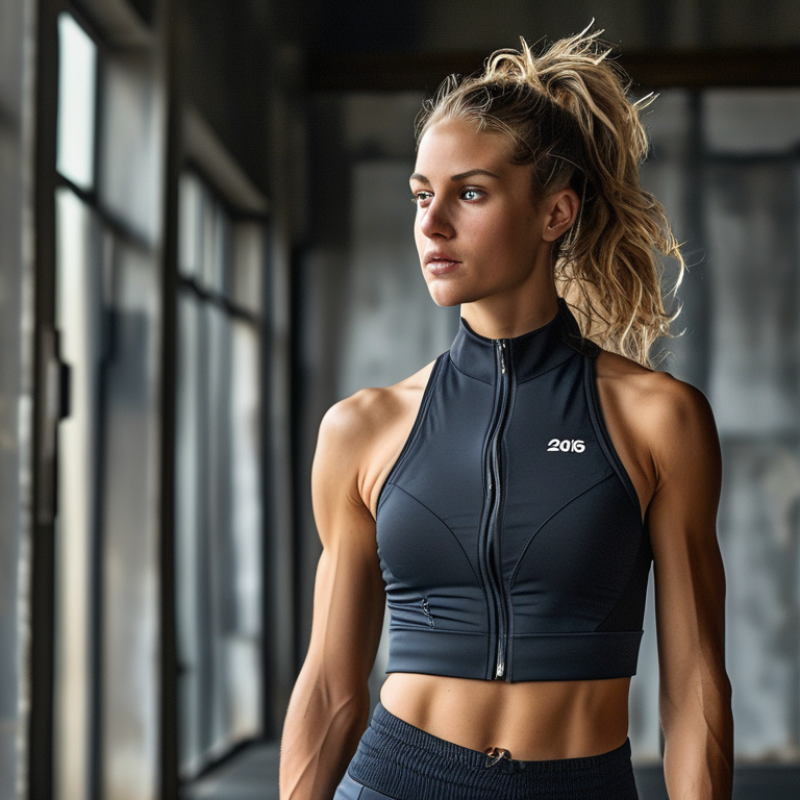
In 2026, high-intensity workout clothing is evolving to meet both performance and style demands. Athletes prioritize comfort and functionality during workouts. Materials that wick moisture and allow for breathability are becoming standard. These fabrics help prevent chafing and keep the body cool. High-stretch materials also enhance movement, accommodating various workout movements without restriction.
Sustainability is another key trend. Eco-friendly fabrics made from recycled materials are gaining popularity. Consumers prefer garments that reflect their environmental values. However, sourcing these materials can be challenging. Not all options maintain the same level of performance. Balancing eco-friendliness with functionality requires diligent research.
Colors and designs are shifting, too. Bold patterns and vibrant colors provide a sense of energy and motivation. This reflects the growing trend of expressive personal styles in fitness. Yet, not everyone may feel comfortable in bright, flashy garments; simple, classic pieces still have their place. Finding the right balance between trendiness and personal preference is crucial for many. Ultimately, the goal is to feel empowered and confident during workouts.
In 2026, athletic wear has evolved significantly, integrating innovative materials and technologies that enhance performance. High-intensity workouts demand clothing that can wick away sweat and provide breathability. Advanced fabrics now feature moisture control properties, ensuring comfort during rigorous activities. For instance, lightweight mesh panels are often strategically placed to enhance ventilation.
Beyond moisture-wicking capabilities, there is a focus on durability. Many new materials are resistant to wear and tear, making them suitable for intense training sessions. The introduction of materials derived from recycled sources is noteworthy, reflecting a growing awareness of sustainability. These fabric blends often include elastane for flexibility, allowing for a full range of motion.
However, not all innovations have been perfect. While many athletes appreciate these developments, some express concerns over the fit and feel. Finding the right balance between compression and comfort remains a challenge. Feedback indicates that the ideal workout wear should allow freedom while minimizing distractions. Continuous improvement in this area is essential for future designs.
In high-intensity workouts, selecting the right clothing is crucial. High-performance apparel must prioritize breathability and moisture-wicking properties. Studies show that 70% of athletes prefer fabrics that keep them cool and dry. Materials like polyester and nylon are often favored for their quick-drying capabilities. These fabrics help control body temperature during intense sessions.
Fit is another vital aspect. Loose clothing can hinder movement, while overly tight options may restrict blood flow. A report highlighted that 65% of athletes experienced discomfort due to improper fit. Therefore, a balance between snugness and flexibility is essential. Features like flat seams can reduce chafing during those long runs or high-impact workouts.
Finally, reflective elements in workout gear have gained popularity. They enhance visibility in low-light conditions, crucial for outdoor training. Surveys reveal that 40% of athletes have been in situations where visibility was a concern. Investing in gear with these safety features is a smart choice. It's clear that the right apparel can significantly impact performance and safety. However, continually assessing your gear's effectiveness is advisable for optimal results.
In 2026, athletes look for performance-driven gear that combines comfort and functionality. High-intensity workouts demand clothing that moves with the body and enables airflow. Breathable fabrics are crucial. They help regulate temperature and wick away sweat. Compression technology is also popular. It enhances muscle support and reduces fatigue during intense sessions.
Several brands are at the forefront of this innovative market. They offer a variety of styles that cater to diverse preferences and body types. These brands emphasize sustainability, using recycled materials in their products. However, not all brands achieve this balance effectively. Some may focus solely on aesthetics, ignoring performance aspects. This can lead to discomfort or lack of support during workouts.
Quality and durability are essential factors. Gym-goers invest in gear that can withstand rigorous use. However, some cheaper alternatives may wear down quickly, leading to frequent replacements. Consumers must evaluate their choices carefully. A balance between price and quality often reveals a reality check in today’s market.
In the evolving landscape of fitness clothing in 2026, consumer preferences are shifting rapidly. High-intensity workouts require specific fabrics that enhance performance while maintaining comfort. According to recent market reports, 70% of consumers now prioritize moisture-wicking materials in their workout gear. This shift emphasizes the need for breathable designs that allow for proper ventilation during rigorous activities.
The demand for sustainable and eco-friendly options is also on the rise. A survey found that 55% of fitness enthusiasts are more inclined to purchase from brands that promote environmentally friendly practices. However, many consumers struggle to find a balance between performance and sustainability. This creates a dilemma as certain high-performance fabrics often come from non-renewable resources.
There's an increasing interest in smart clothing that incorporates technology. Innovative fabrics imbued with sensors can monitor heart rate and body temperature. Yet, the practicality of these advancements is still under scrutiny, as users often express concerns about the reliability of these features. This points to a critical area for improvement in the design and functionality of high-intensity workout clothing moving forward.
: Innovative materials like moisture-wicking fabrics and breathable mesh support high-intensity workouts.
Proper fit prevents discomfort and allows for freedom of movement during rigorous exercises.
Many consumers prefer eco-friendly options, but finding sustainable high-performance fabrics remains a challenge.
Moisture-wicking fabrics keep athletes dry and comfortable during intense workouts, improving overall performance.
Some athletes report issues with fit, highlighting a need for better balance between compression and comfort.
Reflective elements in apparel enhance safety during outdoor training, especially in low-light conditions.
About 70% of consumers now look for moisture-wicking features in their workout clothing.
Many users question the practicality of smart fabrics, especially regarding their accuracy and dependability.
Balancing high performance with sustainable materials creates a challenge for many buyers.
Regular assessments are vital to ensure that the gear remains effective for achieving optimal results.
As we look ahead to 2026, understanding what clothing works best for high intensity workouts becomes crucial for fitness enthusiasts. The trends indicate a shift towards innovative materials and technologies that enhance performance and comfort. Lightweight, breathable fabrics with moisture-wicking properties will dominate, ensuring that athletes can perform at their peak without distraction.
Essential features such as four-way stretch, ergonomic designs, and seamless constructions are becoming standard in high-performance workout apparel. As consumer preferences lean towards functionality combined with style, the market is responding with versatile pieces that cater to varying fitness activities. Ultimately, the evolution of high-intensity workout clothing is driven by the demand for durability and performance, making it easier for individuals to pursue their fitness goals efficiently.

Reba Fashion