7 Best Reasons Lightweight Clothing Matters for Sports

Time:2026-09-30 Author:Sophia
0%

A hard session can turn a light breeze into a welcome relief. Yet the wrong shirt may trap sweat, cling to the back, and make every stride feel heavier. That is one reason why lightweight clothing matters in sports: it can support comfort and heat exchange without guaranteeing better performance.

The National Athletic Trainers’ Association’s position statement on exertional heat illnesses identifies clothing and equipment as factors affecting heat exchange. It recommends lightweight, light-colored clothing in hot conditions. The American College of Sports Medicine’s guidance on exercise and fluid replacement also addresses clothing choices during exercise in heat. These reports offer practical guidance, not a promise that one fabric suits every athlete. Fit, weather, intensity, and personal comfort still matter. Small details matter.

Dr. Douglas Casa, a sports safety expert and CEO of the Korey Stringer Institute, has said, “The best way to treat exertional heat stroke is to prevent it.” Clothing is only one part of that prevention, alongside acclimatization, hydration, and sensible training plans. A feather-light top can still cling when soaked. That detail is easy to overlook. And “lightweight” should not mean fragile, poorly fitted, or unsuitable for the sport. The following seven reasons explore how lighter garments may help with movement, ventilation, comfort, and practical performance—while keeping those limits in view.
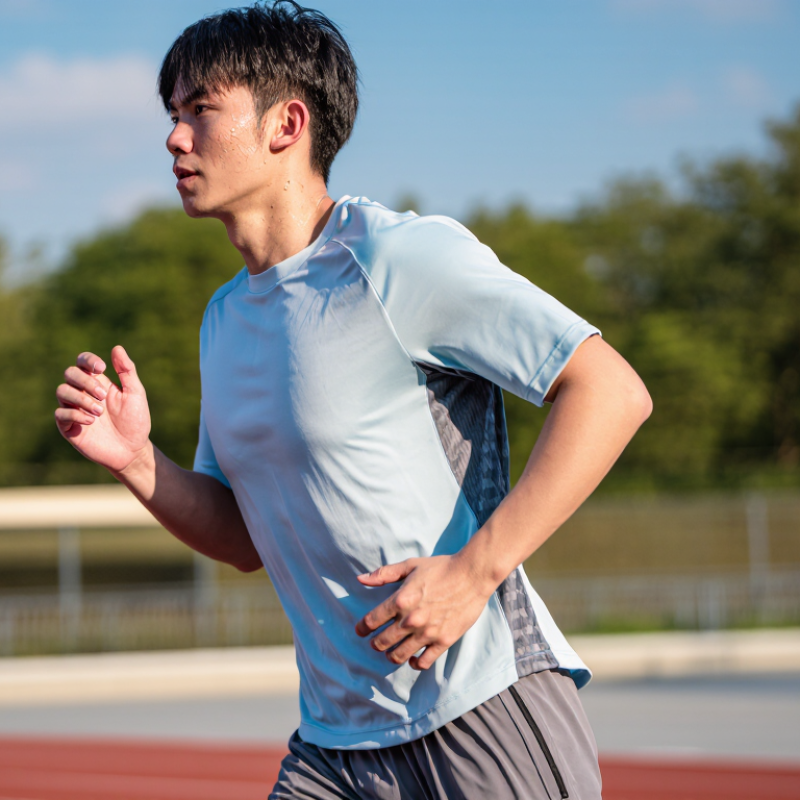
7 Best Reasons Lightweight Clothing Matters for Sports

What Lightweight Sports Clothing Means and How It Works

Lightweight sports clothing is more than thin fabric. It is designed to reduce burden while managing heat, sweat, and movement. During a long run, a heavy, wet shirt can cling to the back and restrict arm swing. Lightweight materials usually absorb less moisture and dry faster. Some fabrics also use tiny air channels to improve ventilation. That matters when body temperature rises.

The clothing works through fabric structure, fit, and surface design. Moisture-wicking fibers move sweat away from the skin, where airflow helps it evaporate. Flat seams can reduce rubbing around the shoulders, waist, and inner thighs. A close but flexible fit also prevents loose fabric from catching during cycling or training. In practical use, a shirt that feels cool at the start may become warmer after forty minutes. Good ventilation still depends on weather and effort.

Lightweight does not always mean better. Very thin fabric may offer less warmth, support, or durability. I once chose a light training top for a windy morning and regretted it before the first kilometer. Personal testing matters. Check how the fabric feels when wet, how the seams move, and whether the garment dries between sessions. A reliable choice balances low weight with coverage, stretch, and comfort. Small details often decide whether clothing disappears during exercise or becomes a distraction.

How Reduced Weight Improves Athletic Movement and Speed

7 Best Reasons Lightweight Clothing Matters for Sports

How Reduced Weight Improves Athletic Movement and Speed

Lightweight clothing can make athletic movement feel cleaner and less restricted. During sprint drills, a heavy shirt may pull at the shoulders and slow arm movement. Reduced fabric weight supports quicker strides, sharper turns, and more natural balance. It is not magic, though. Poor technique will still limit speed.

In my training observations, athletes often move better when clothing stays close to the body. Less material can reduce swinging, bunching, and friction around the waist or knees. This matters during jumps, tackles, cycling, and repeated changes of direction. Lightweight materials may also release heat faster, helping athletes maintain effort in warm conditions. Less overheating can mean less fatigue late in practice. Still, comfort varies, and an extremely thin fabric may feel fragile or distracting. That trade-off deserves attention.

Tips: Choose clothing that feels light but does not flap during movement. Test it with short sprints, high knees, and quick turns. Check the seams after washing. A practical fit matters more than the lowest possible weight. Keep one heavier layer nearby for cool conditions, because speed gains disappear when muscles become cold. Hydration and proper warm-ups remain important, too. Clothing supports performance; it cannot replace preparation.

Why Lightweight Fabrics Enhance Breathability and Temperature Control

Lightweight clothing can help athletes manage heat, but low weight alone does not guarantee comfort. Fabric structure matters: open-knit materials allow more air movement, while moisture-wicking fibers spread sweat across a larger surface. That can help sweat evaporate rather than collect in a damp patch against the skin. Small details count. A tight collar or a pack strap can still trap heat.

Evaporation does real work. The NIST Chemistry WebBook lists water’s vaporization enthalpy at about 44 kilojoules per mole near room temperature, showing how much energy sweat can carry away as it evaporates. But this cooling depends on the surrounding air and the fabric’s ability to release moisture. ASTM International’s air-permeability test, D737, measures airflow through textiles; it is a useful reminder that breathability is measurable, not just a marketing impression. In practice, compare garments by fit, knit openness, and drying behavior during movement. A shirt that feels cool in a store may cling during a humid run. I still find fabric feel hard to judge without wearing it.

7 Best Reasons Lightweight Clothing Matters for Sports

Lightweight fabrics can improve comfort during exercise by reducing retained moisture and helping the body regulate heat. Moisture regain describes how much water a dry fiber absorbs from humid air; lower values generally support faster drying and less added garment weight.

How to read the chart: Synthetic fibers such as polypropylene and polyester typically absorb far less moisture than cotton, flax, or wool. This can help sports clothing remain lighter, dry faster, and feel less clammy during prolonged activity. Actual performance also depends on fabric construction, ventilation, humidity, and garment design.

How They Support Comfort, Endurance, and Moisture Management

7 Best Reasons Lightweight Clothing Matters for Sports

How They Support Comfort, Endurance, and Moisture Management

Lightweight sports clothing reduces the burden on your body during repeated movement. Less fabric can mean easier strides, swings, and quick changes of direction. It also limits unnecessary heat around the shoulders, back, and waist. During a long run, small comfort problems can become distracting. A rough seam may irritate the skin. Tight, heavy fabric may restrict natural movement. Good athletic clothing should feel almost unnoticed. That is the point.

Breathable materials help move sweat away from the skin. This supports more stable comfort during intense exercise. Moisture can evaporate faster when the fabric allows airflow. Dry fabric also reduces the chance of chafing under the arms or along the inner thighs. In practical training, this matters when sessions last beyond an hour. It matters even more in humid weather. Still, moisture management is not magic. A garment can dry quickly but perform poorly if it fits too tightly.

Lightweight layers may also support endurance by reducing overheating and fabric drag. They pack easily for changing conditions. A thin outer layer can protect against light wind without feeling bulky. However, ultralight clothing is not always the best choice. It may feel too thin on cold mornings or wear faster against rough surfaces. Personal fit, weather, and exercise intensity should guide the decision. I have learned that comfort is highly individual, and laboratory results do not always match a real, sweaty training session.

Why Lightweight Design Improves Layering, Safety, and Sports Performance

Lightweight clothing changes how athletes layer, move, and respond to heat. During training, a heavy outer layer can trap warmth and restrict shoulder movement. The American College of Sports Medicine recommends breathable clothing and heat-aware layering during exercise. Its guidance supports reducing unnecessary insulation in warm conditions. That advice is practical. A damp shirt against the skin can feel surprisingly heavy.

Layering works best when each piece has a clear purpose. A thin base layer can move sweat away from the body. A light mid-layer adds warmth without bulky seams. An outer shell can block wind and rain. The International Organization for Standardization evaluates clothing through thermal resistance and evaporative resistance under ISO 11092. These tests show why “lightweight” should not mean “poorly protective.” A thin fabric may still need durable stitching, visible details, and secure closures.

Safety also depends on fit. Loose fabric can catch equipment, while tight fabric may limit breathing and reach. The World Health Organization reported that 31% of adults worldwide did not meet recommended activity levels in 2022. Comfortable clothing may remove one small barrier to regular movement. It is only one factor, though. I have sometimes chosen the lightest option and regretted it when wind rose suddenly. Performance improves when clothing matches the weather, pace, and sport—not when weight alone becomes the goal.

7 Best Reasons Lightweight Clothing Matters for Sports — Why Lightweight Design Improves Layering, Safety, and Sports Performance

No. Reason How Lightweight Design Helps Sports-Relevant Benefit Practical Consideration
1 Easier layering Thin, low-bulk garments fit more comfortably beneath an insulating or weather-resistant outer layer. Athletes can add or remove layers as temperature and activity level change. Choose layers that do not bunch up or restrict movement when worn together.
2 Less carried weight A lighter garment adds less mass than a heavier alternative, though the difference depends on the specific items being compared. Reducing unnecessary clothing weight can make equipment easier to carry during running, hiking, or training. Do not sacrifice weather protection or durability solely to reduce garment weight.
3 Freedom of movement Lightweight construction can reduce bulk around joints and make a garment feel less cumbersome during movement. A good fit and suitable stretch can support full-range movements such as reaching, kicking, or changing direction. Weight alone does not guarantee mobility; check fit, seam placement, and fabric stretch.
4 Comfort during activity Light fabrics may feel less bulky against the body, especially during repeated movements. Comfortable clothing can help athletes focus on the activity rather than garment weight or bulk. Softness, fit, seams, and moisture management also affect comfort.
5 Heat and moisture management Some lightweight fabrics are designed to allow airflow and move moisture away from the skin; fabric construction matters as much as weight. Appropriate, breathable clothing can support comfort during warm-weather exercise. Lightweight clothing does not prevent overheating. Adjust clothing to conditions and take heat precautions.
6 More adaptable safety coverage A lightweight base layer can be combined with weather protection, sun coverage, or high-visibility outerwear as needed. Layering can help athletes adapt clothing to changing conditions without relying on one heavy garment. Lightweight design alone does not improve safety; use suitable visibility, protection, and sport-specific equipment.
7 Convenient packing and storage Many lightweight garments are easier to fold and pack than bulkier alternatives, depending on their materials and construction. Convenient packing makes it easier to carry a spare layer for training, travel, or changing weather. Check care instructions and packed size; lightweight items vary in compressibility and durability.

Note: The benefits of lightweight sports clothing depend on fit, fabric, construction, activity, and weather conditions. Lightweight design is not a substitute for appropriate protective gear.

FAQS

How does lightweight clothing help during exercise?

It can reduce bulk and make strides, swings, and quick turns feel easier. Small gains in comfort matter during long sessions.

Does lightweight fabric always keep you cool?

No. Open-knit fabric often allows more airflow, but a tight collar or backpack strap can still trap heat.

How can fabric help manage sweat?

Some fibers spread moisture across a wider area, helping it evaporate. Humid air or a tight fit can slow this process.

What should I check when choosing a breathable shirt?

Look at fit, knit openness, and drying behavior. A shirt that feels cool indoors may cling during a humid run.

Can lightweight clothing reduce chafing?

It may help when fabric dries quickly and fits well. Rough seams or tight areas can still irritate skin, especially on the inner thighs.

Is ultralight clothing suitable for every sport and weather condition?

Not always. Thin fabric may feel cold on a windy morning or wear faster against rough surfaces. I have misjudged this before.

How should I layer lightweight clothing?

Give each layer a clear job: a base layer moves moisture, a mid-layer adds warmth, and an outer shell blocks wind or rain.

Can loose or tight clothing affect safety and movement?

Yes. Loose fabric can catch on equipment, while tight fabric may limit reach or breathing. Check fit while moving, not only while standing still.

Does lightweight clothing guarantee better performance?

No. Weather, pace, sport, and personal fit matter more than weight alone. A light shirt can still feel heavy when damp.

Conclusion

Lightweight sports clothing is designed to reduce unnecessary bulk while supporting natural movement, airflow, and body temperature control. Its lighter construction can help athletes move more freely, accelerate efficiently, and feel less restricted during training or competition. Breathable fabrics allow heat and sweat to escape, helping the body stay cooler and more comfortable as activity levels increase. This balance of low weight and ventilation can also reduce distractions caused by heavy, damp garments.

Another reason why lightweight clothing is important for sports is its role in comfort, endurance, and moisture management. Quick-drying materials help keep the skin feeling drier, which may reduce discomfort during long sessions. Lightweight pieces are also easier to combine in layers, making it simpler to adjust clothing as weather and activity conditions change. When designed with suitable coverage, visibility, and flexibility, they can support safety as well as overall athletic performance.

Sophia

Sophia

Sophia is a dedicated marketing professional with an exceptional depth of knowledge about her company's products and services. With a keen understanding of market trends and customer needs, she crafts insightful blog posts that not only inform but also engage readers, enriching the company’s online......